Understand Korean
food culture.
9 guides — hansik, food culture, kimchi, traditional ingredients, fermentation, regional cuisine and royal & temple food, plus visual overviews.
Browse every guide
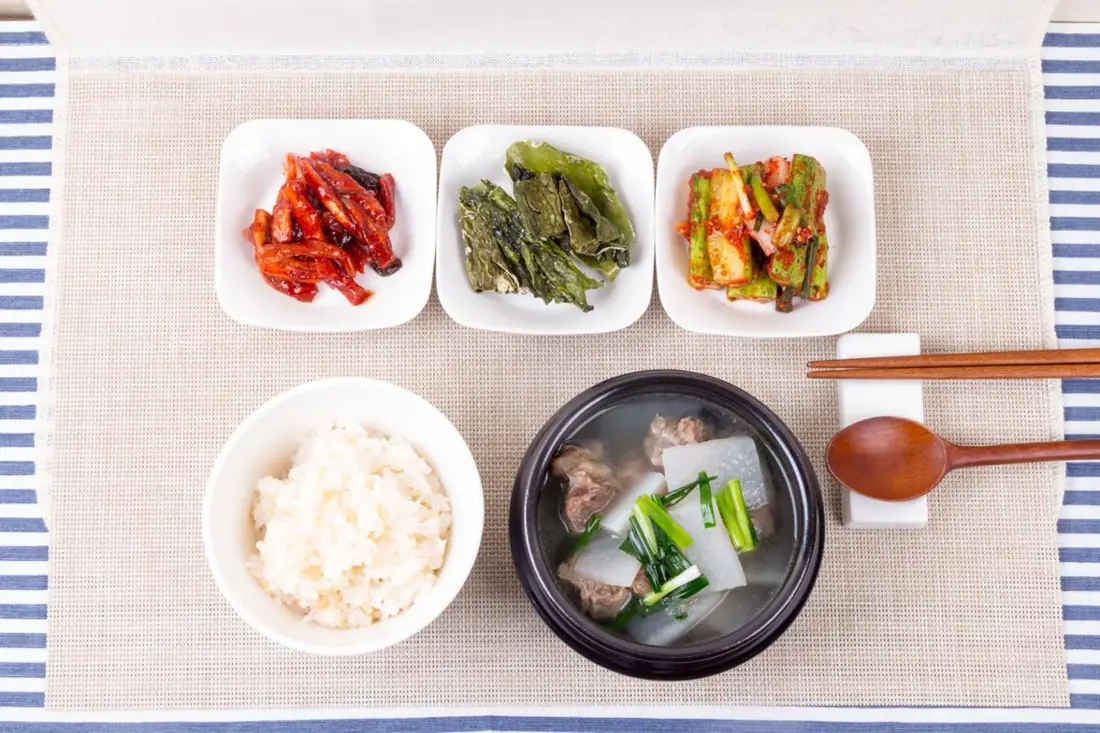
What Is Korean Cuisine?
Korean cuisine, known as Hansik, is more than food. It is a cultural system that reflects Korea’s history, nature, philosophy, and lifestyle.
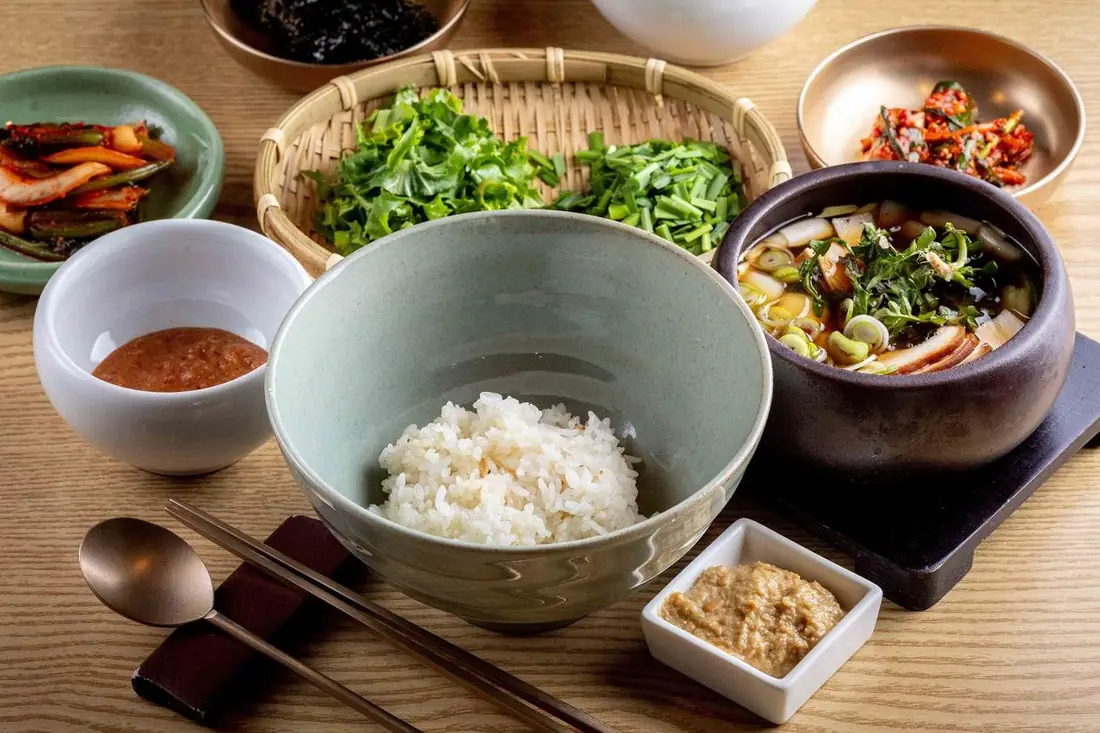
Korean Food Culture
Korean food culture is built around rice, shared side dishes, seasonal ingredients, and community dining.
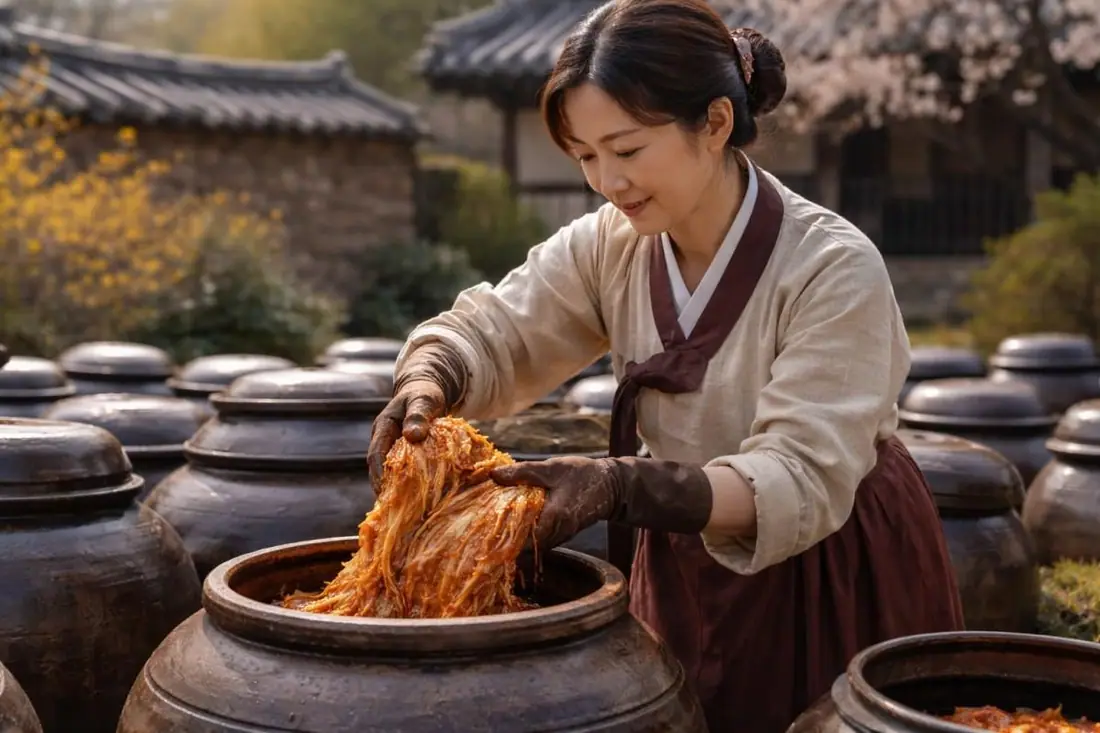
Kimchi Culture & Guide
Kimchi is more than a Korean side dish. It represents Korea’s history, fermentation knowledge, seasonal lifestyle, and community values.
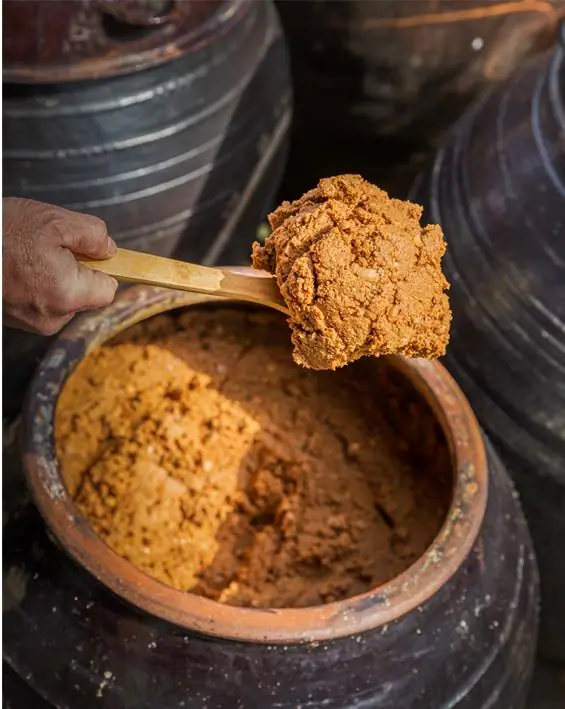
Korean Traditional Ingredients
Korean traditional ingredients are the foundation of Hansik.
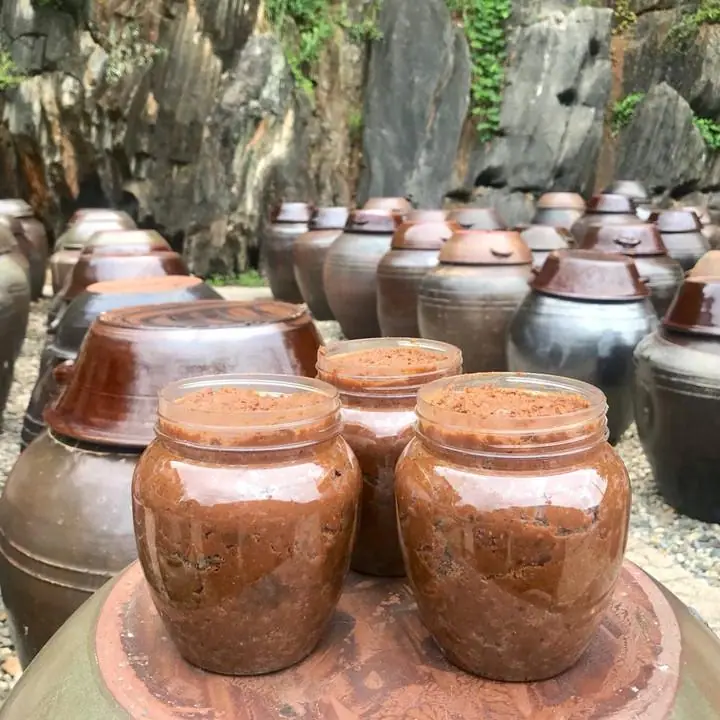
Korean Fermentation Culture
Korean fermentation culture represents centuries of knowledge about preserving food and developing deep flavors.
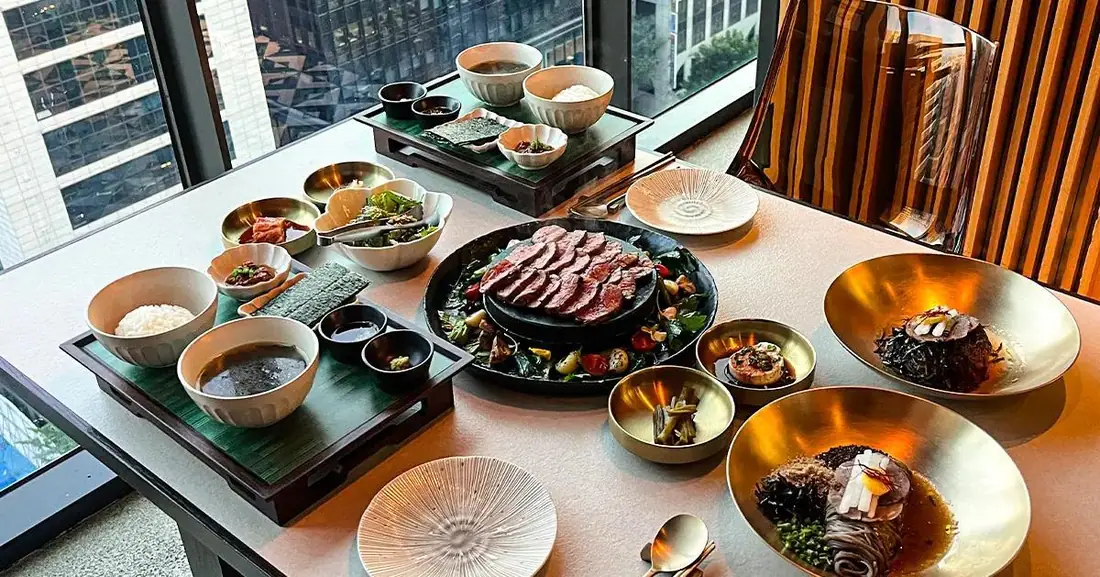
Regional Korean Cuisine
Regional Korean cuisine reflects the geography, history, and lifestyle of each area.
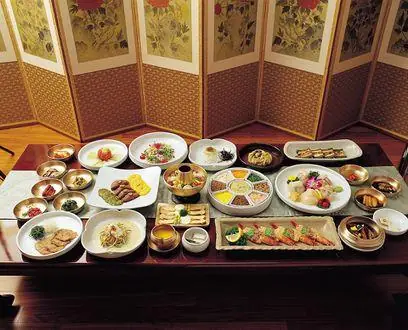
Royal Cuisine & Temple Food
Royal cuisine and temple food represent two important traditions of Korean cuisine.
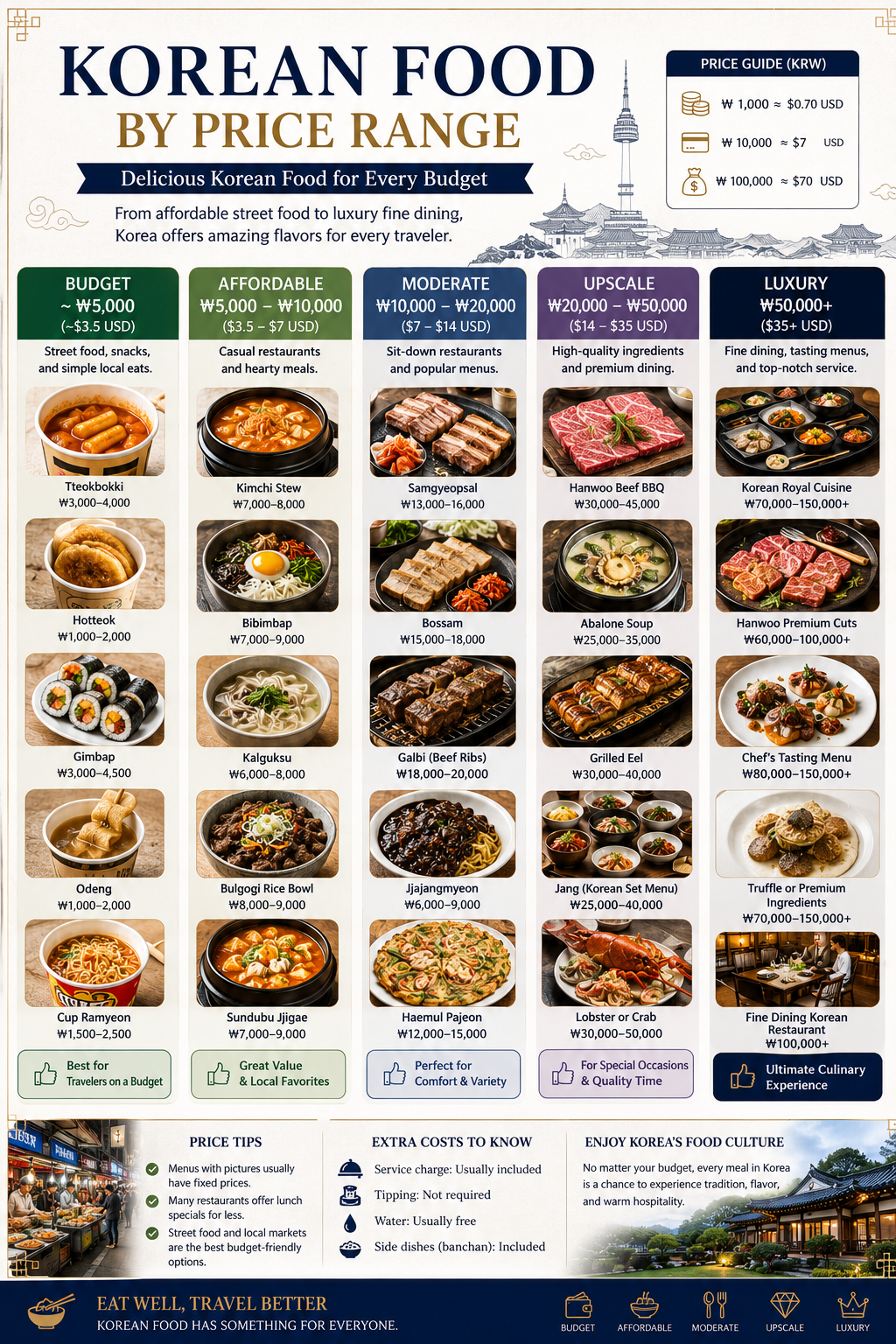
Korean Food by Price Range
From affordable street food to luxury fine dining, Korea offers amazing flavors for every traveler and every budget.
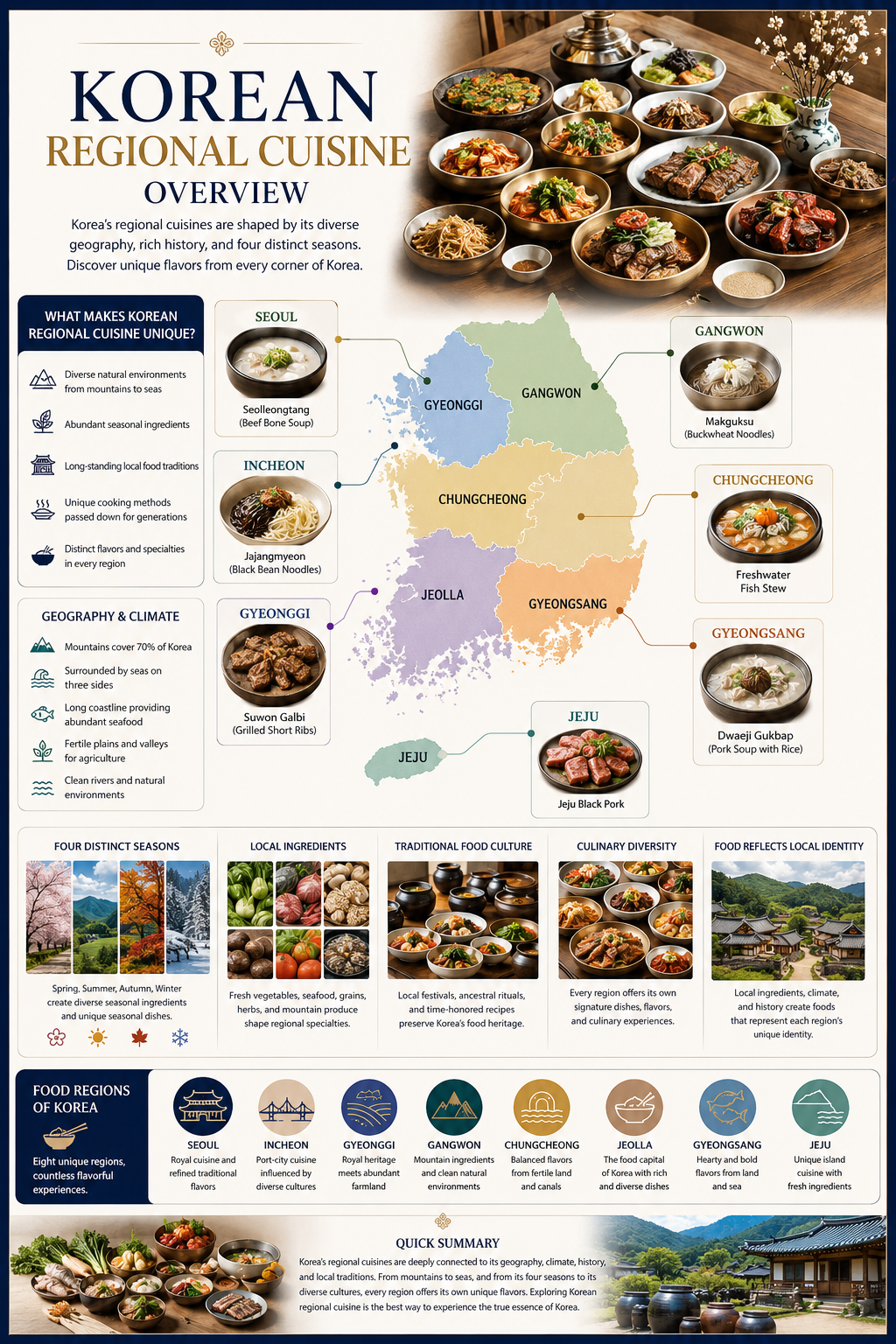
Korean Regional Cuisine Overview
Korea's regional cuisines are shaped by its diverse geography, rich history and four distinct seasons.
ASK KOREA Transit