Regional Korean Cuisine
Regional Korean cuisine reflects the geography, history, and lifestyle of each area.
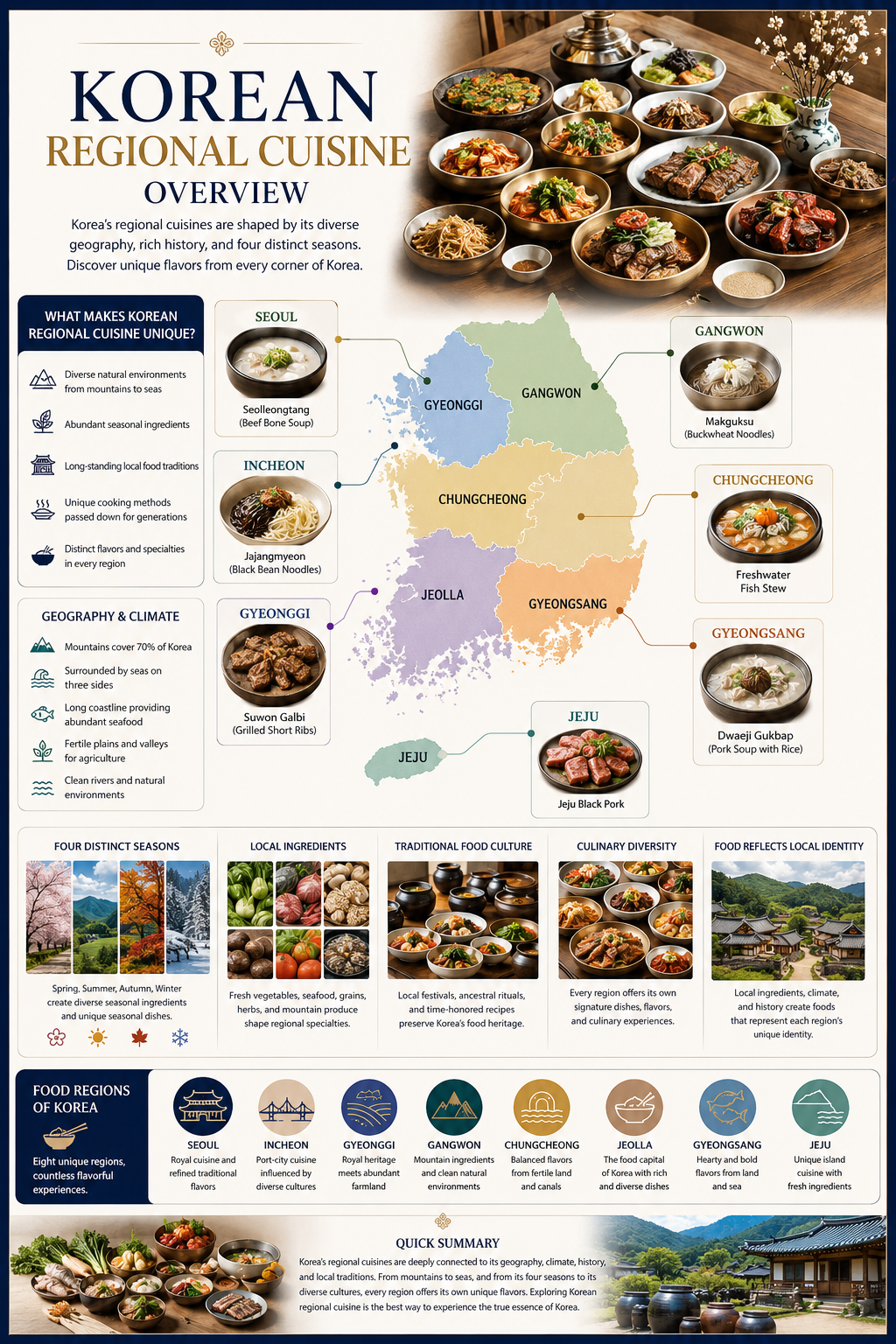
Quick Summary
Regional Korean cuisine reflects the geography, history, and lifestyle of each area.
Key takeaways
- From Seoul’s elegant dishes to Jeju’s seafood traditions, every region offers a unique expression of Korean food culture and helps visitors discover the diversity of Hansik.
The Complete Guide
Korean cuisine is deeply connected to Korea’s geography, climate, and local traditions.
Because Korea has mountains, oceans, rivers, and four distinct seasons, each region developed its own unique food culture.
Regional Korean cuisine reflects:
Exploring regional cuisine is one of the best ways to understand the diversity of Korean food.
Seoul Cuisine
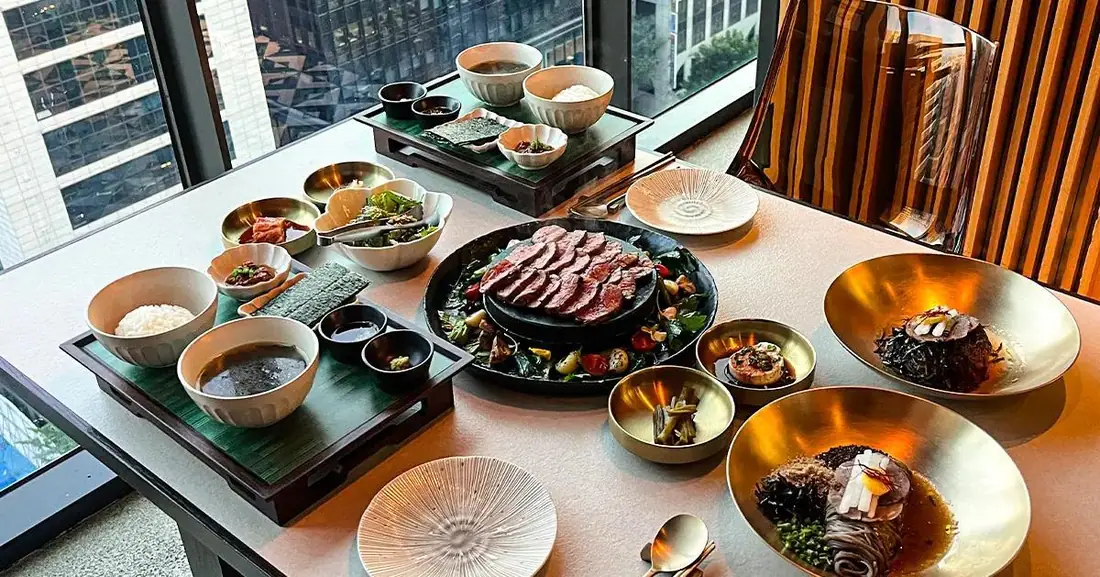
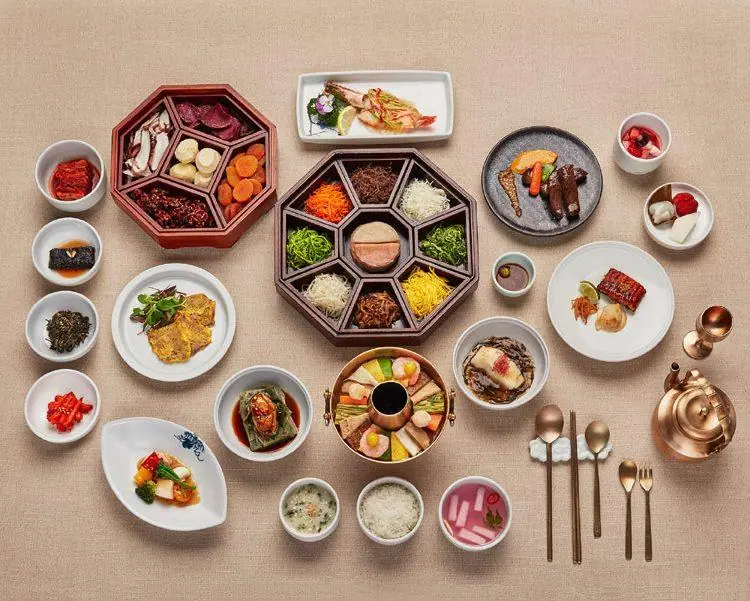
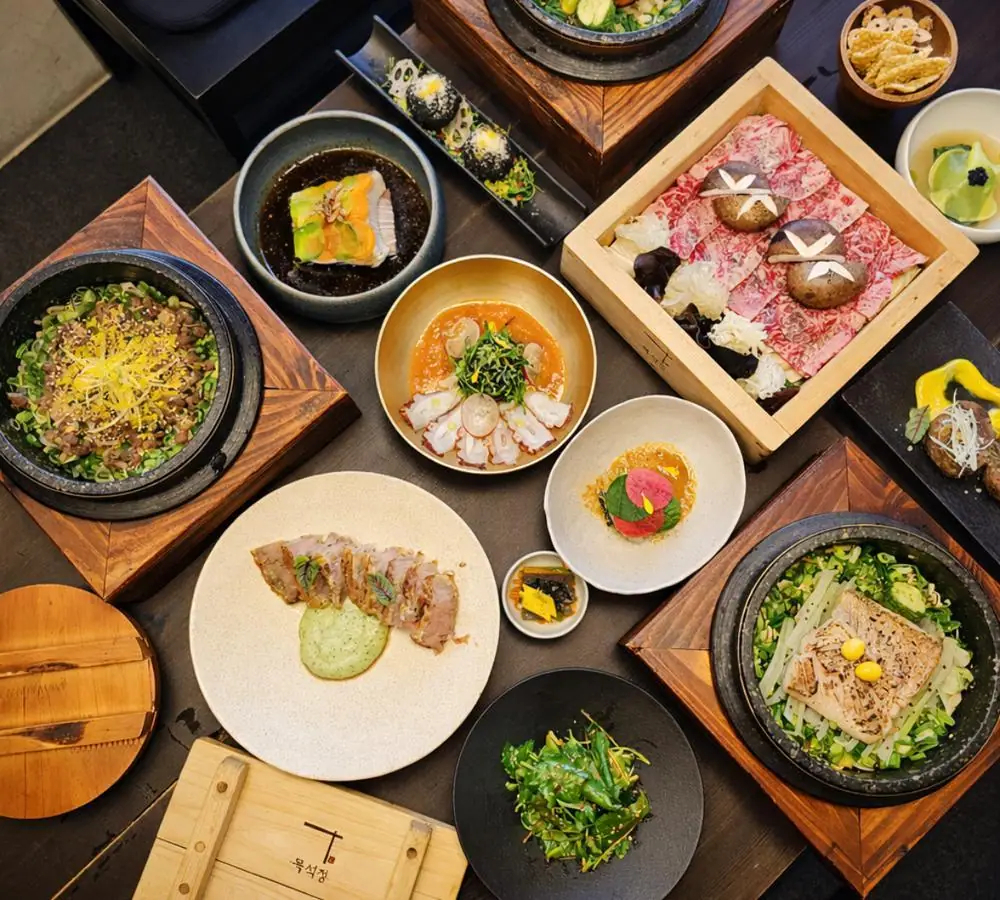
Seoul cuisine developed around the capital city and was strongly influenced by royal and aristocratic food culture.
Because Seoul was the center of politics and culture for centuries, many sophisticated dishes developed here.
Characteristics:
Famous Seoul dishes include:
Seoul remains one of the best places to experience both traditional and modern Korean cuisine.
Jeolla Cuisine
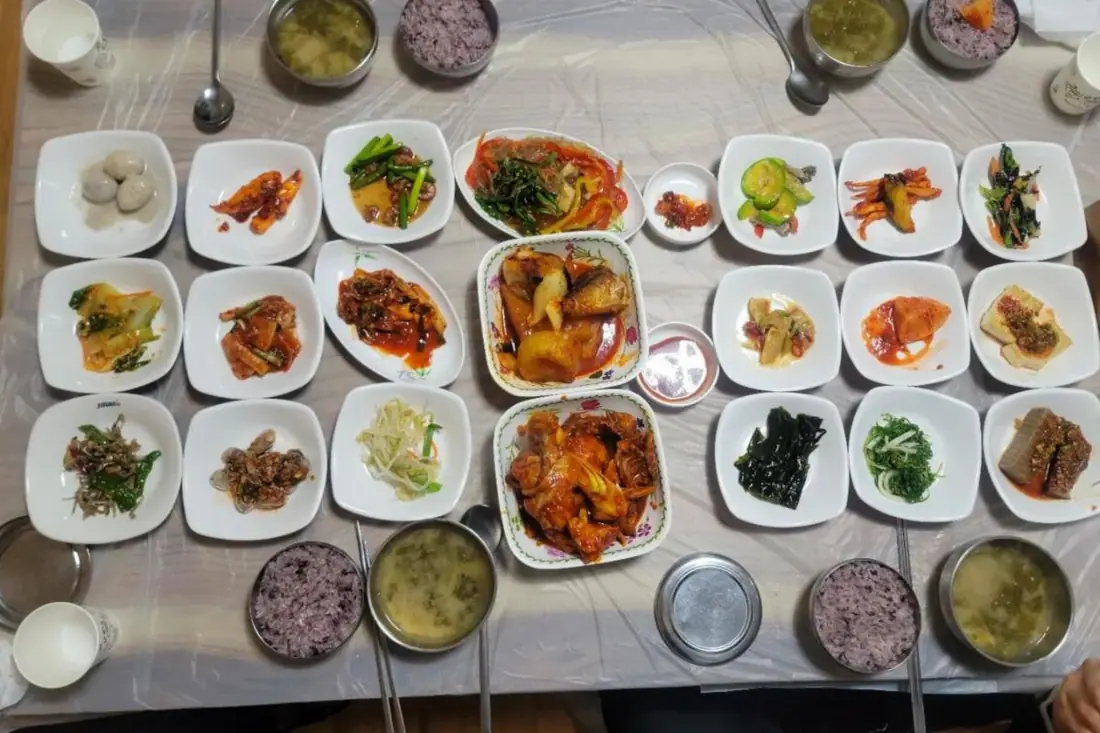
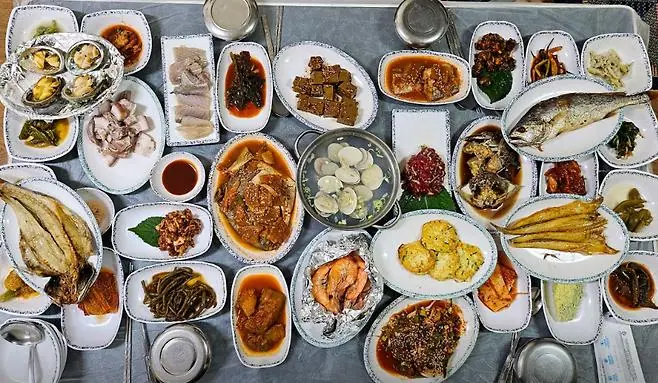
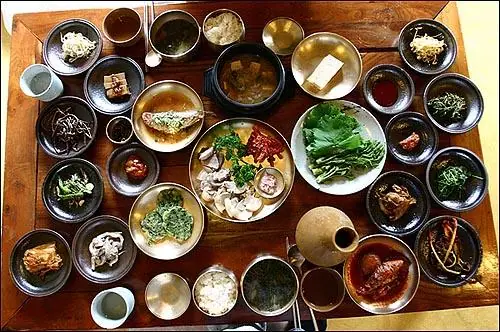
Jeolla Province is often considered one of the richest food regions in Korea.
The region is famous for its abundant agricultural land and coastal resources.
Characteristics:
Important ingredients include:
Famous dishes include:
Jeolla cuisine is especially known for its strong connection to traditional Korean home cooking.
Gyeongsang Cuisine
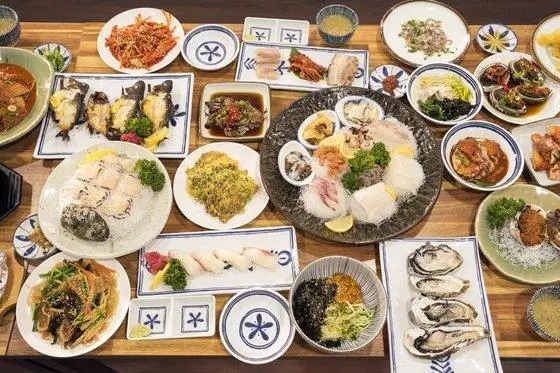
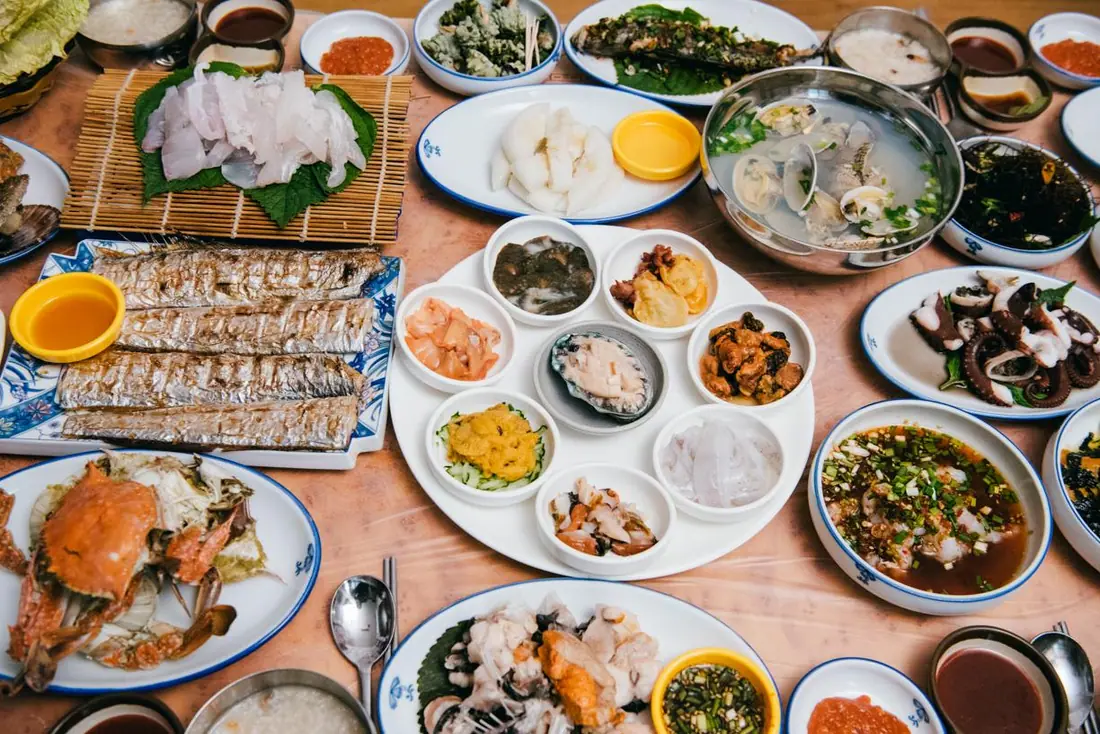
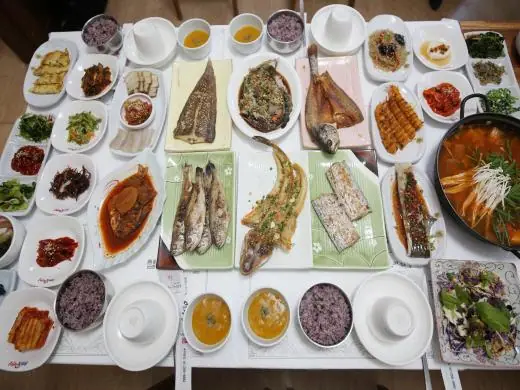
Gyeongsang cuisine developed in the southeastern region of Korea.
Because the region has access to both mountains and the sea, it uses a wide variety of ingredients.
Characteristics:
Famous dishes include:
The cuisine reflects the energetic lifestyle of southeastern Korea.
Gangwon Cuisine
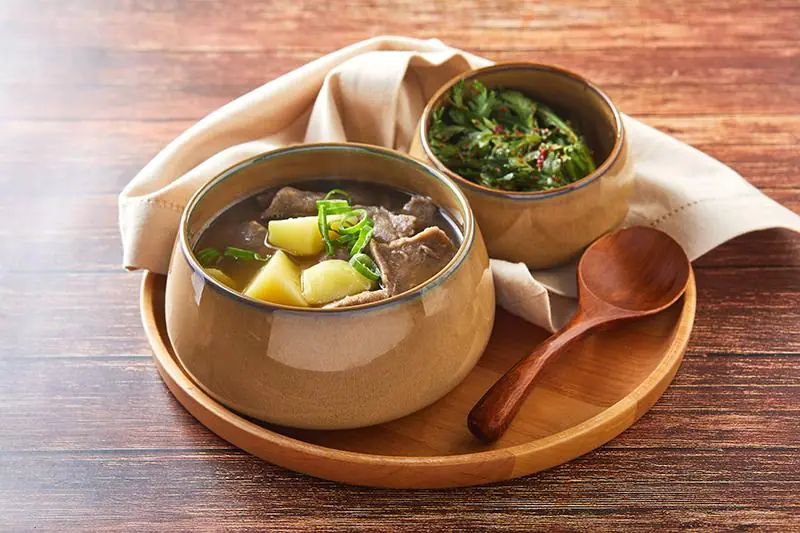
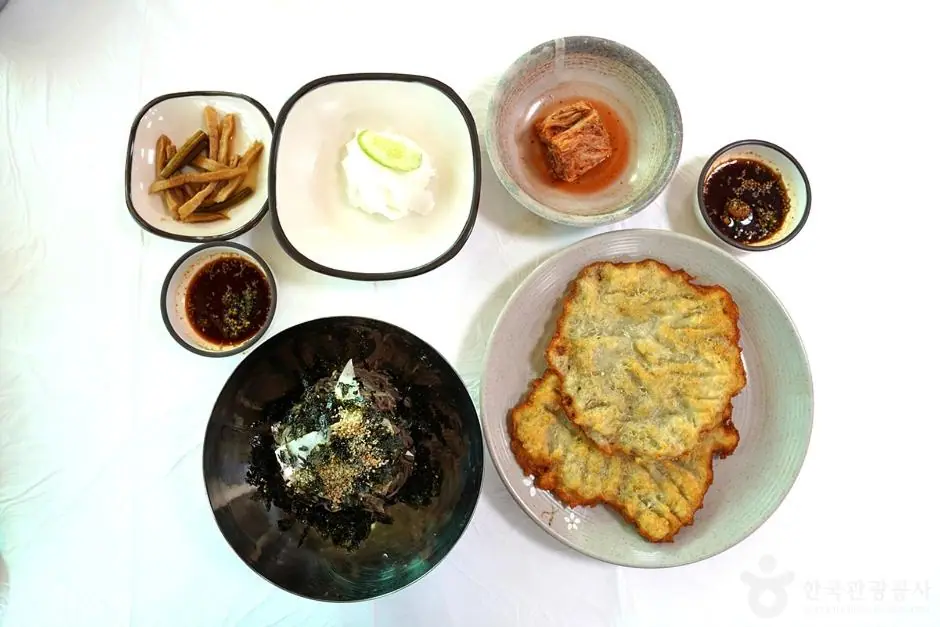
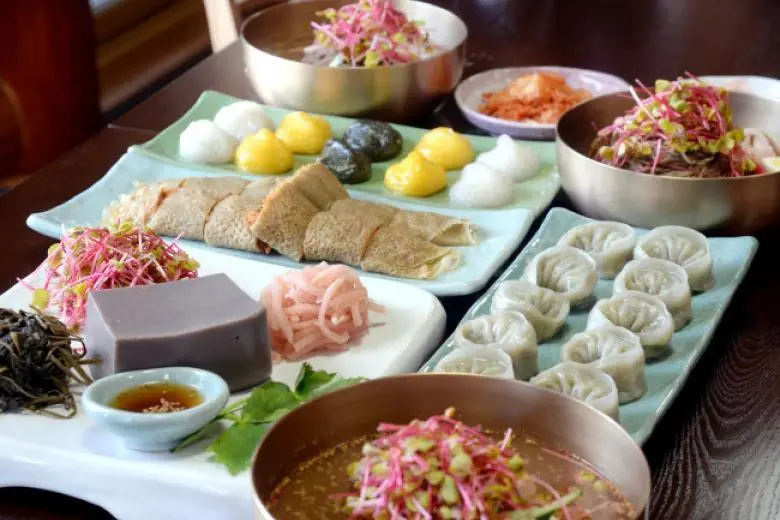
Gangwon Province is known for its mountains, clean environment, and natural ingredients.
Traditional Gangwon cuisine developed around mountain and rural life.
Characteristics:
Important ingredients include:
Famous dishes include:
Gangwon cuisine represents the connection between Korean food and nature.
Jeju Cuisine
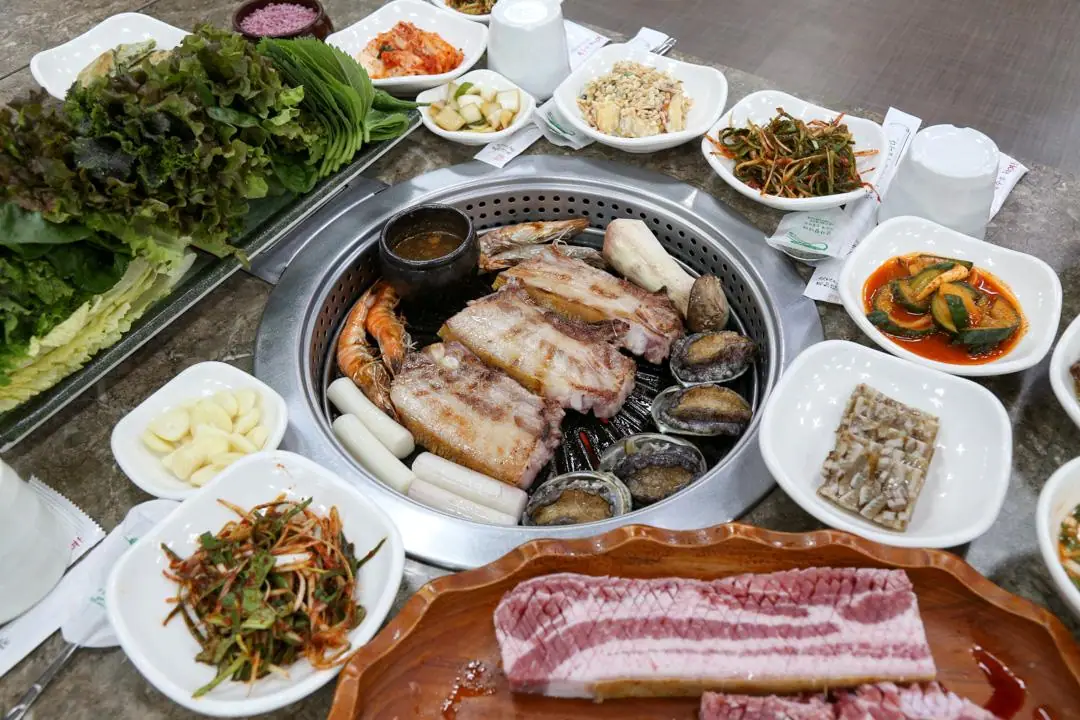
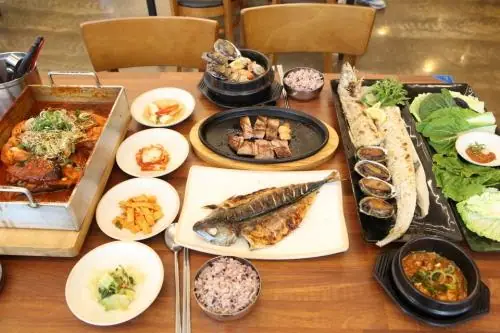
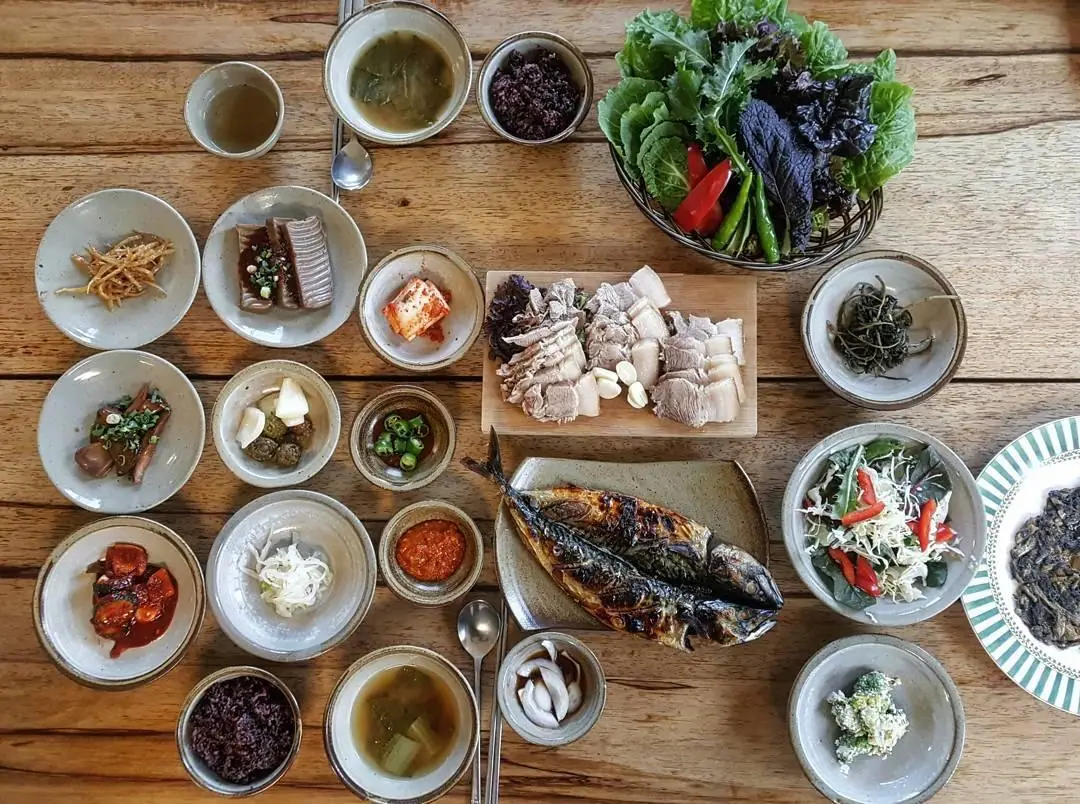
Jeju Island has a unique food culture shaped by its ocean environment and volcanic landscape.
Because Jeju is surrounded by sea, seafood plays an important role in local cuisine.
Characteristics:
Famous Jeju foods include:
Jeju cuisine reflects the lifestyle of island communities and the relationship between people and the ocean.
Regional Cuisine and Korean Identity
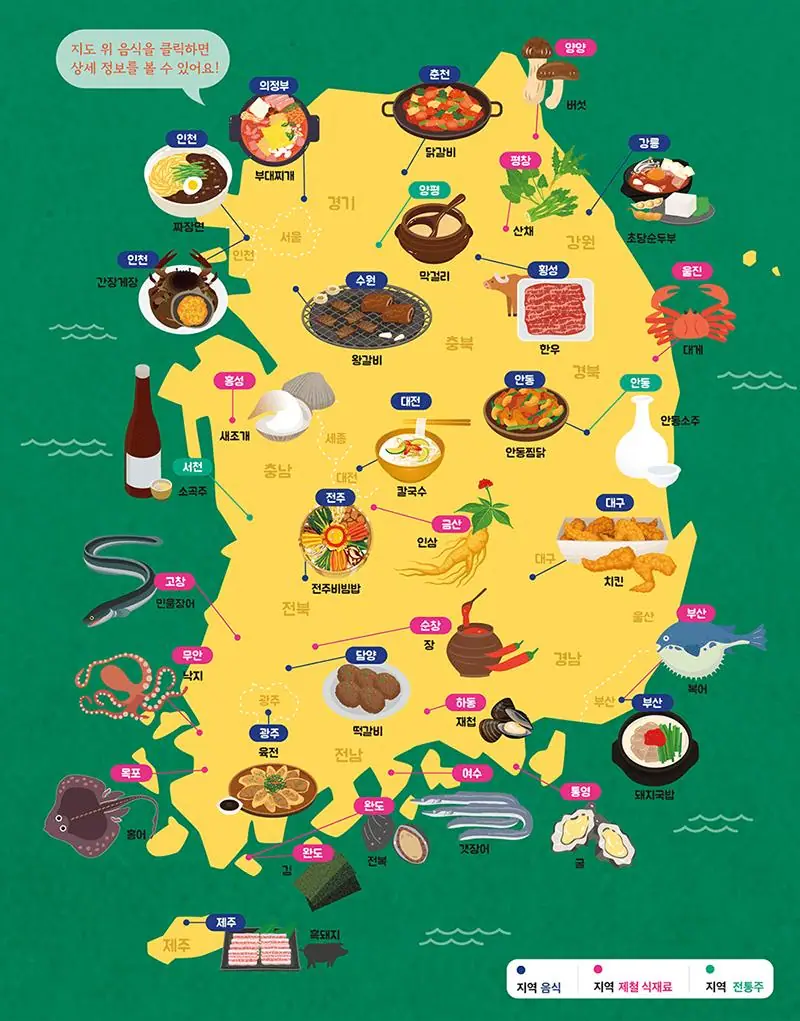
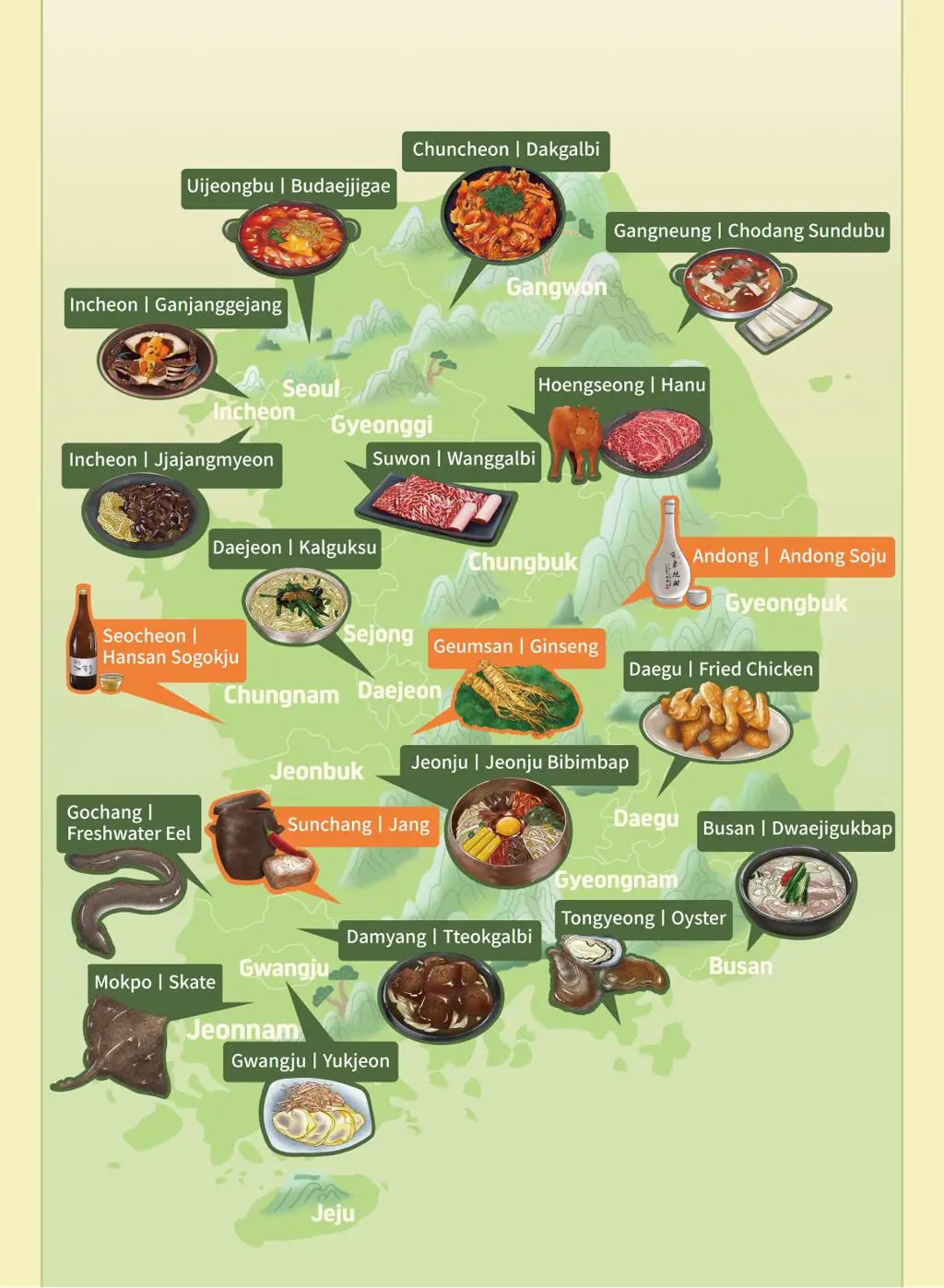
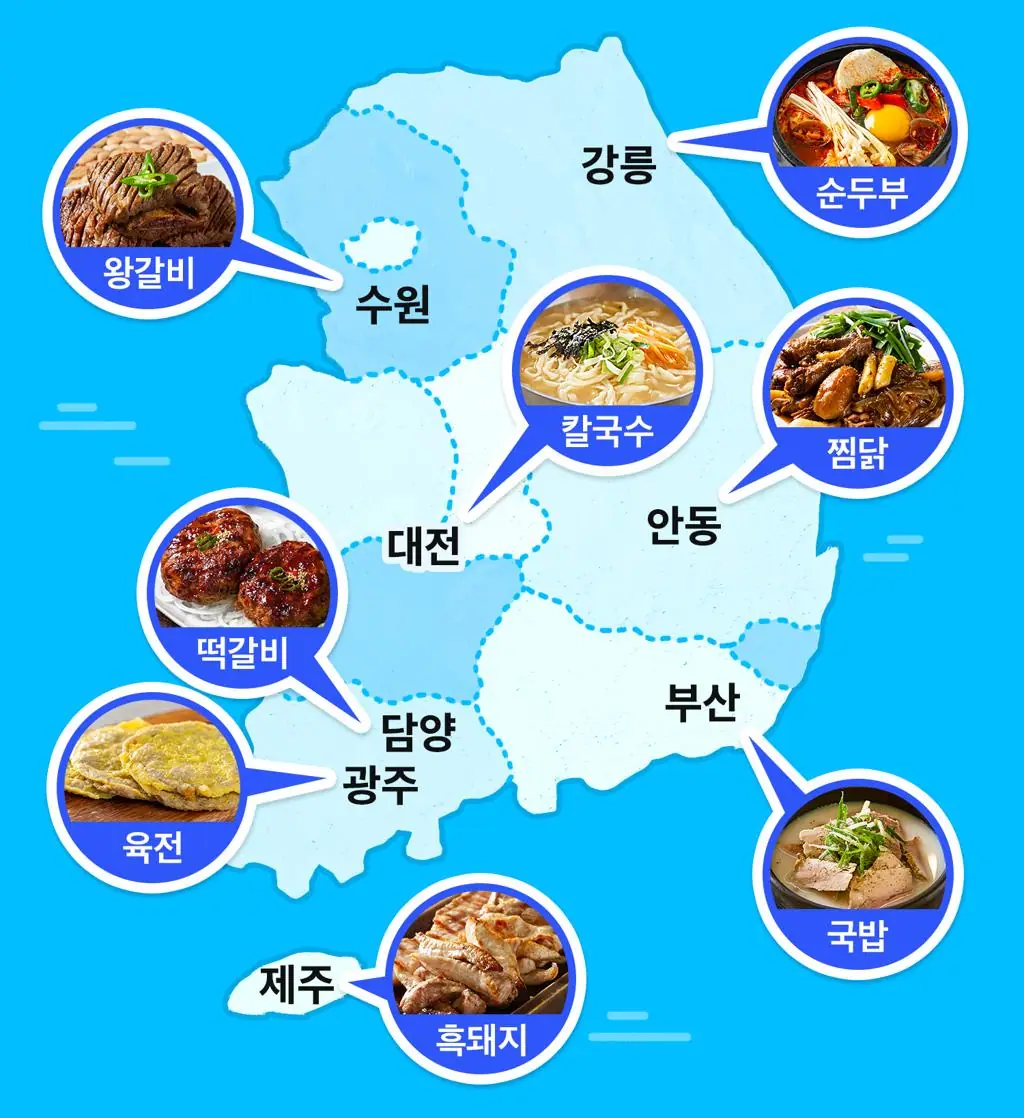
Regional Korean cuisine shows that Korean food is not one single style.
Each region contributes unique flavors and traditions.
Together, regional cuisines create the diversity of Hansik.
Traveling through Korea allows visitors to experience:
Pro Tips
- Korean cuisine changes by region
- Local ingredients shape regional flavors
- Seoul reflects royal and modern food culture
- Jeolla is famous for rich traditional cuisine
- Gyeongsang is known for seafood and strong flavors
- Gangwon focuses on natural mountain ingredients
- Jeju reflects island and ocean culture
Related Guides
Royal Cuisine & Temple Food
Royal cuisine and temple food represent two important traditions of Korean cuisine.
Korean Food by Price Range
From affordable street food to luxury fine dining, Korea offers amazing flavors for every traveler and every budget.
Korean Regional Cuisine Overview
Korea's regional cuisines are shaped by its diverse geography, rich history and four distinct seasons.
Ask AI About This Topic
Have a question about Regional Korean Cuisine?
Get instant, locally-checked answers from the ASK KOREA AI. Ask anything from specific edge cases to itinerary decisions.
"Tell me more about regional korean cuisine and how to experience it in Korea."
ASK KOREA Transit