What Is Korean Cuisine?
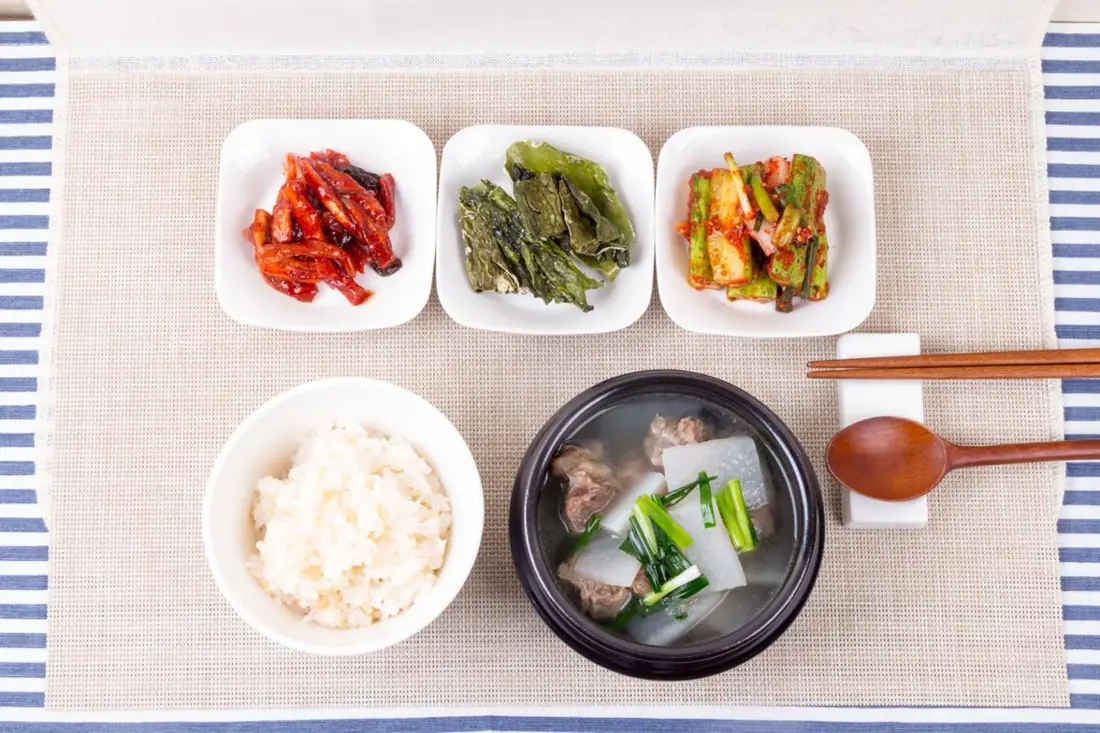
Korean cuisine, known as Hansik, is more than food. It is a cultural system that reflects Korea’s history, nature, philosophy, and lifestyle.
Quick Summary
Korean cuisine, known as Hansik, is more than food. It is a cultural system that reflects Korea’s history, nature, philosophy, and lifestyle.
Key takeaways
- Through balanced meals, fermentation, seasonal ingredients, and sharing traditions, Hansik provides a deeper understanding of Korean culture.
The Complete Guide
Hansik
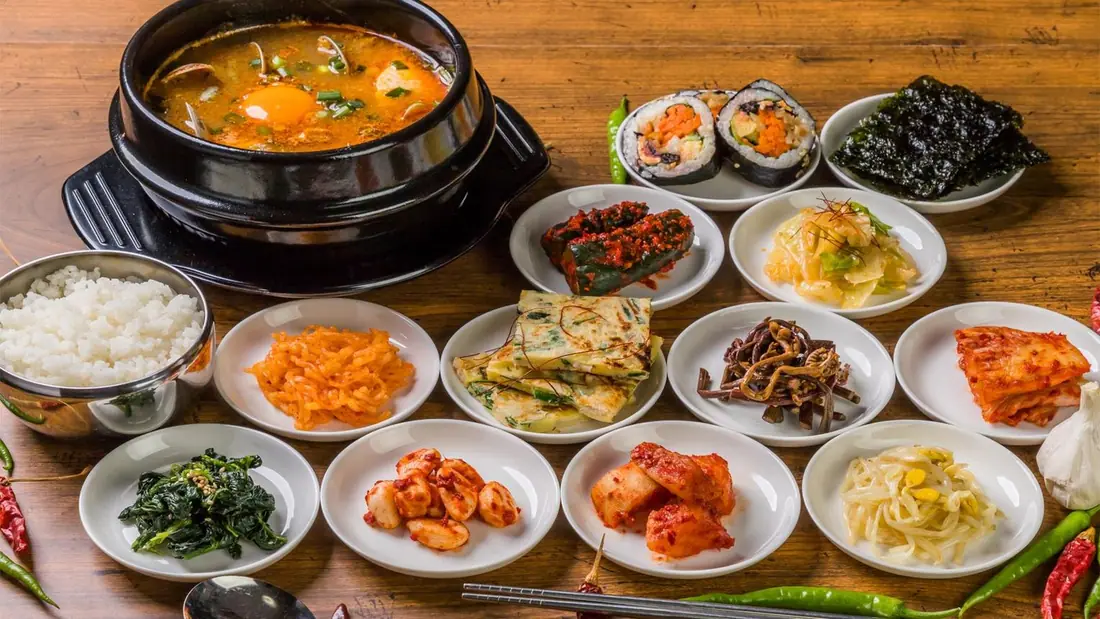
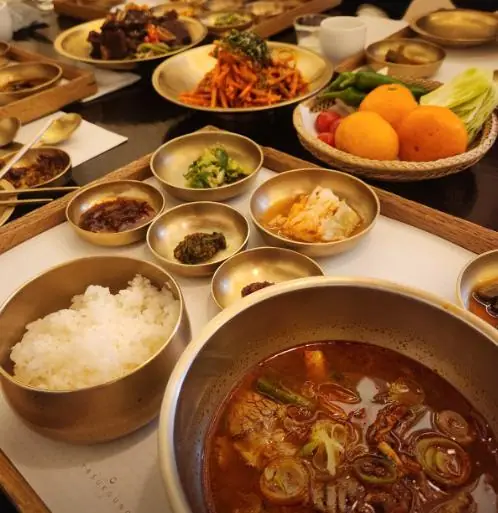
Korean cuisine, known as Hansik, is the traditional food culture of Korea.
Hansik is more than a meal. It represents Korea’s history, nature, traditions, and lifestyle developed over thousands of years.
Traditional Korean cuisine focuses on harmony between:
A Korean meal is created through the balance of:
Hansik is not a single type of food but a complete food culture that reflects the Korean way of life.
History of Korean Cuisine
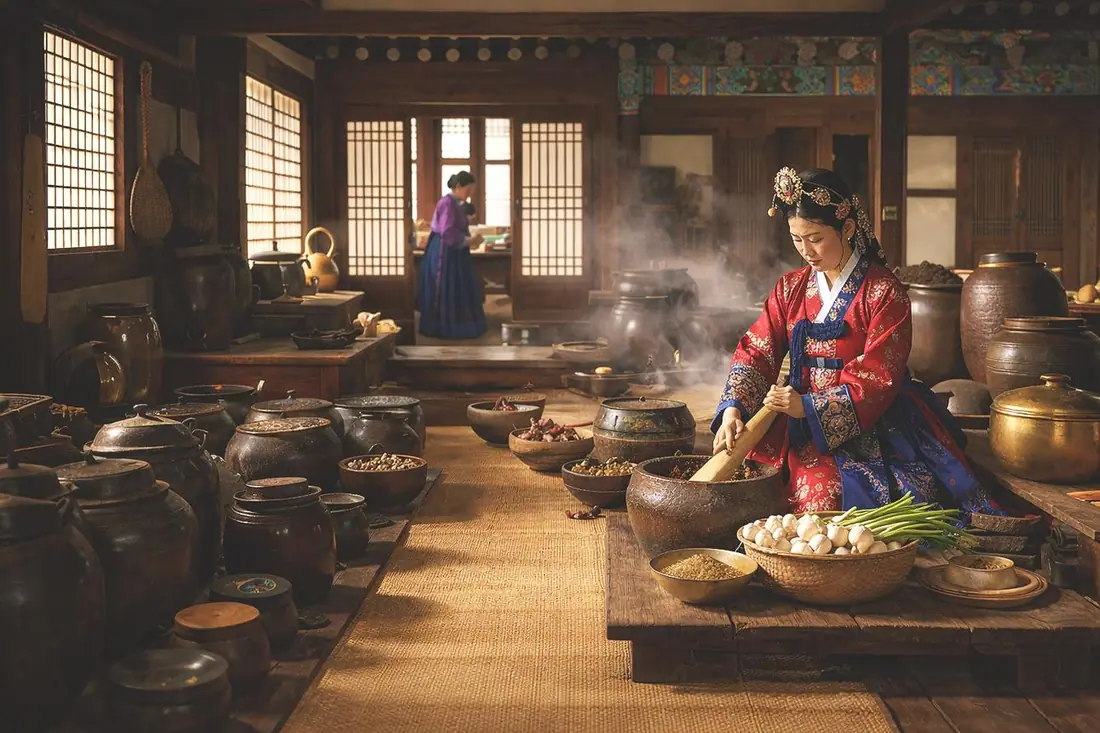
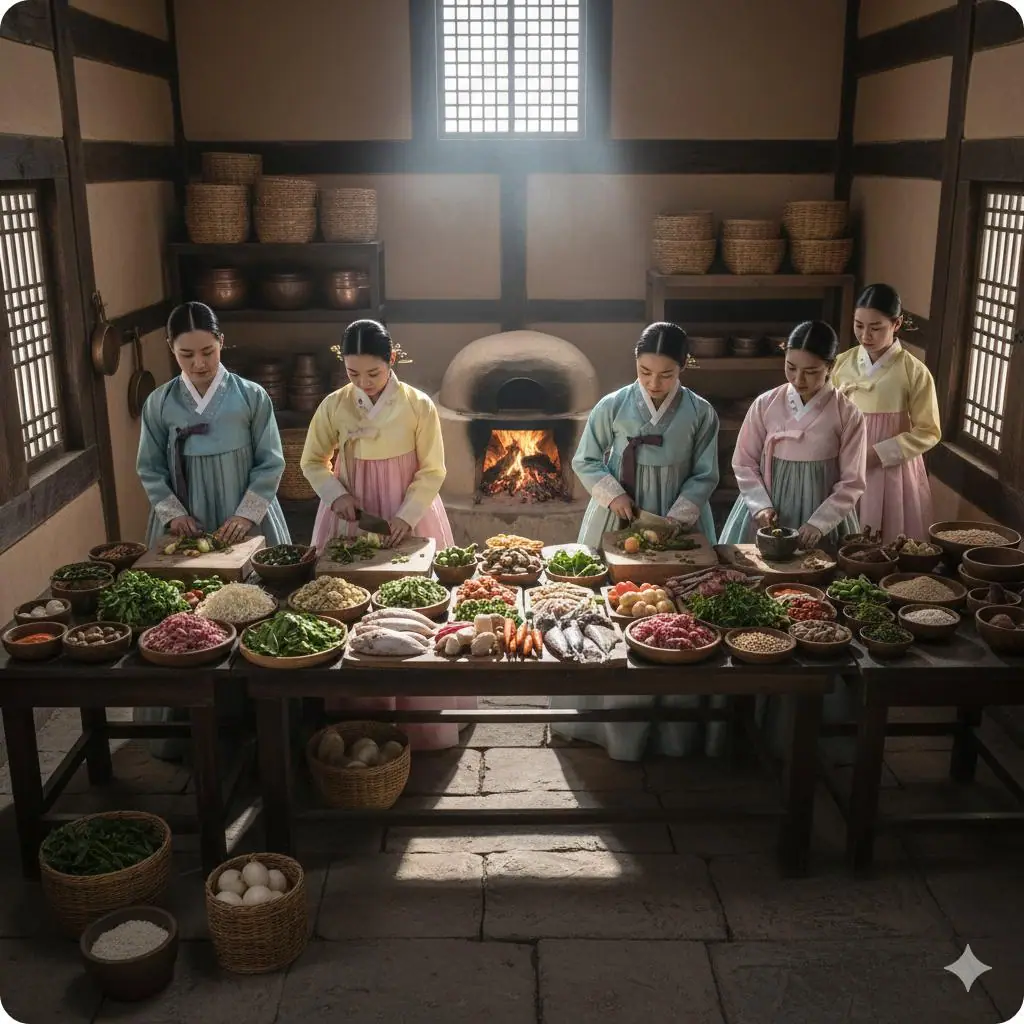
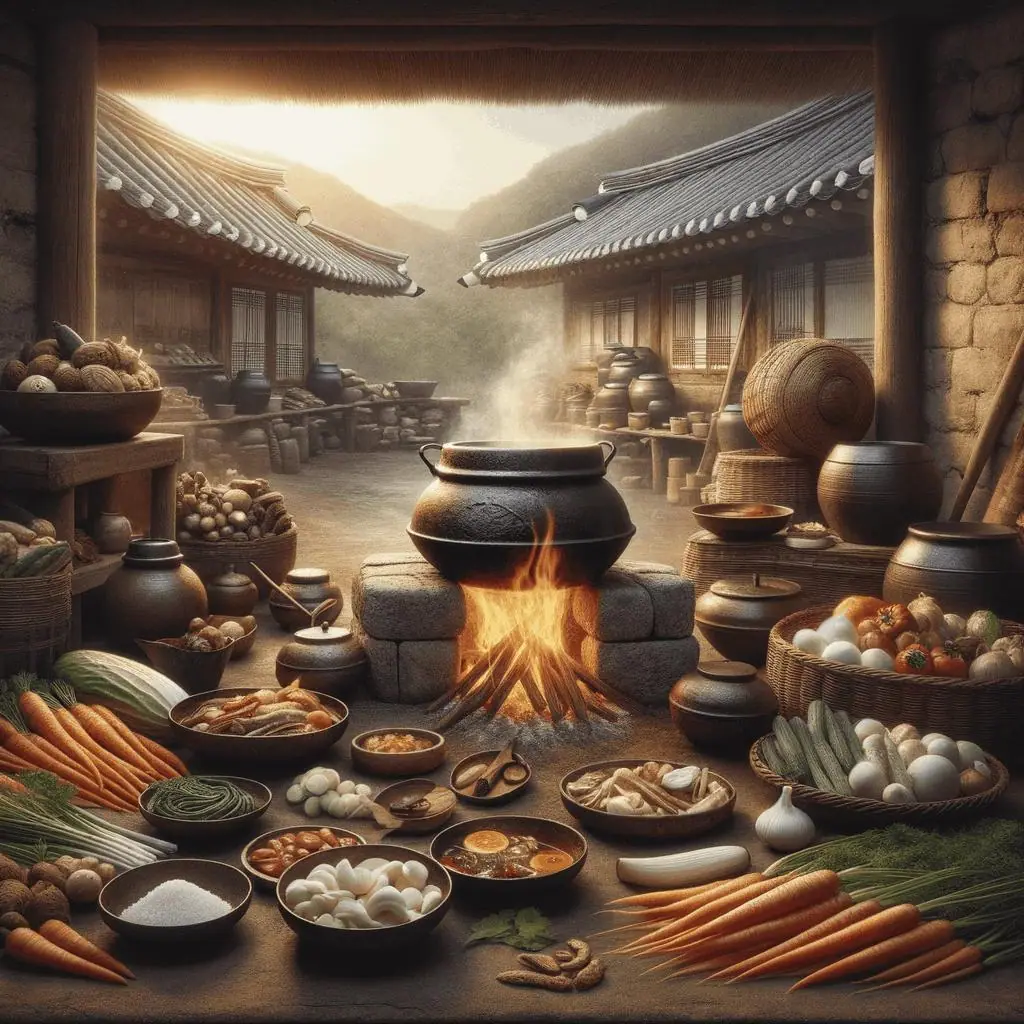
Korean cuisine has developed through thousands of years of history.
The development of Korean food was influenced by:
Ancient Korea
Early Korean communities prepared food using ingredients from their natural environment.
Important foods included:
Preserving food became important because Korea has cold winters and seasonal changes.
Joseon Dynasty
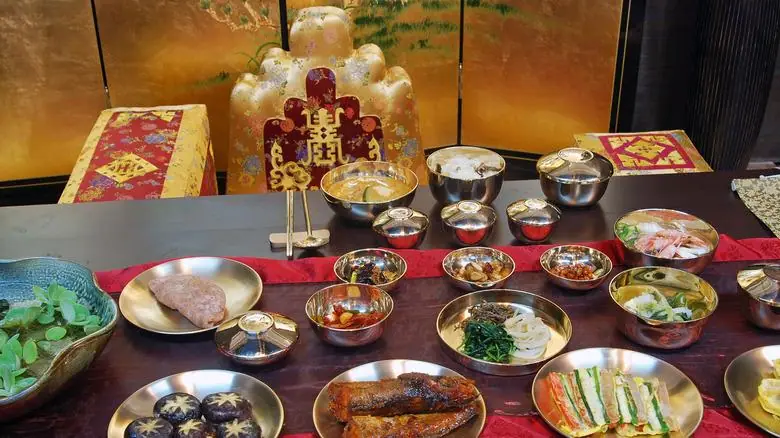
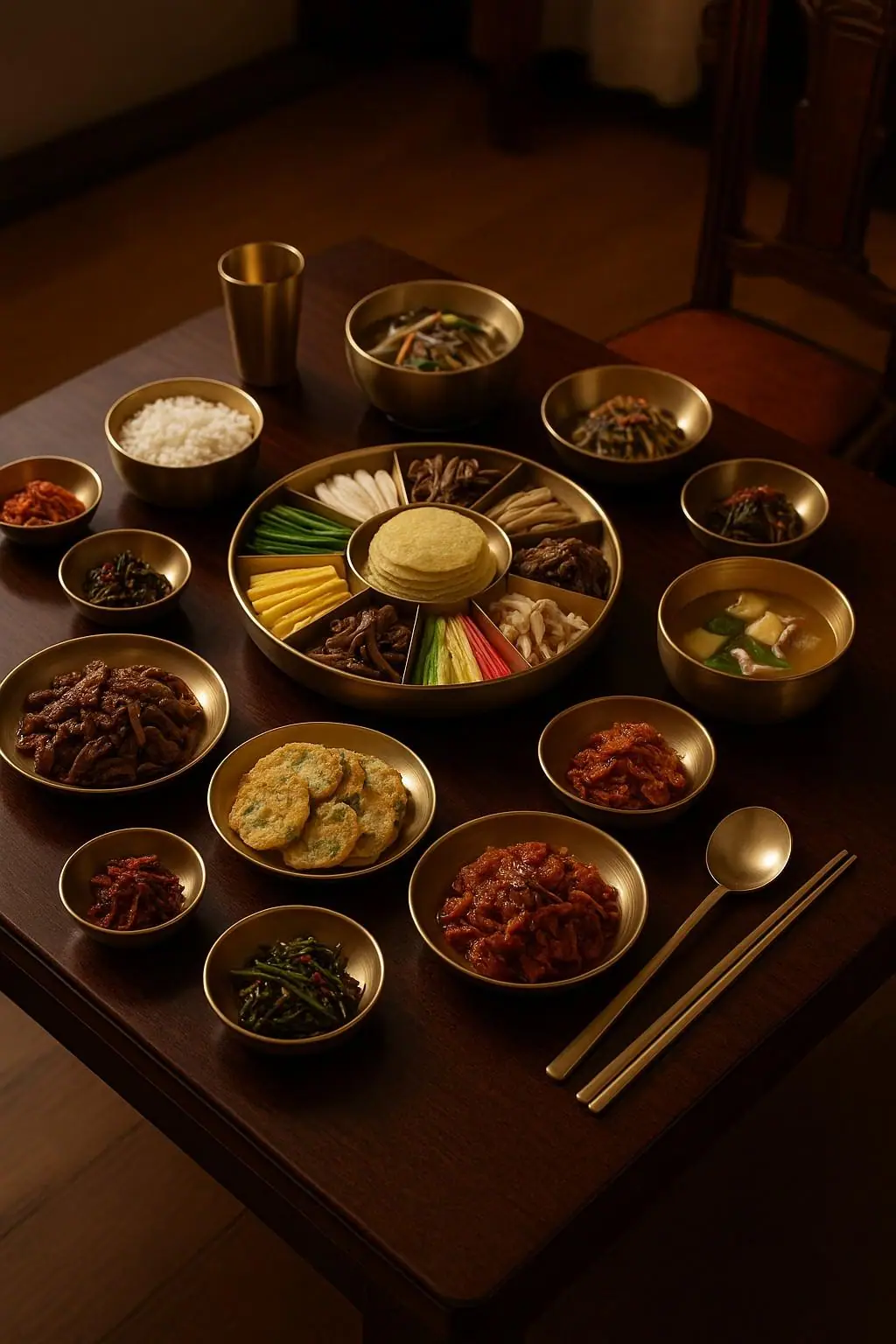
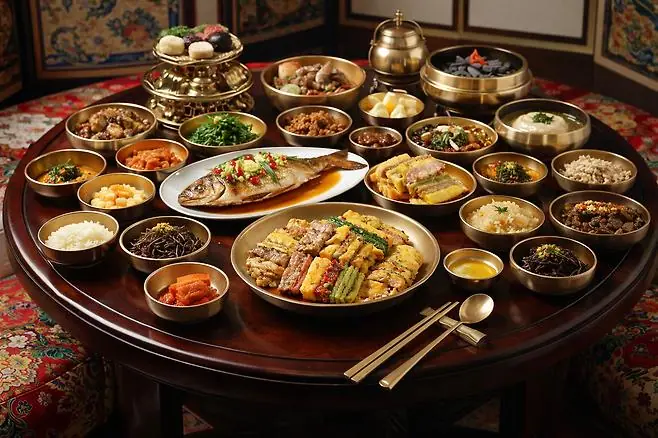
The Joseon Dynasty had a major influence on Korean cuisine.
During this period:
Many traditional Korean dishes enjoyed today developed during this period.
Food Philosophy
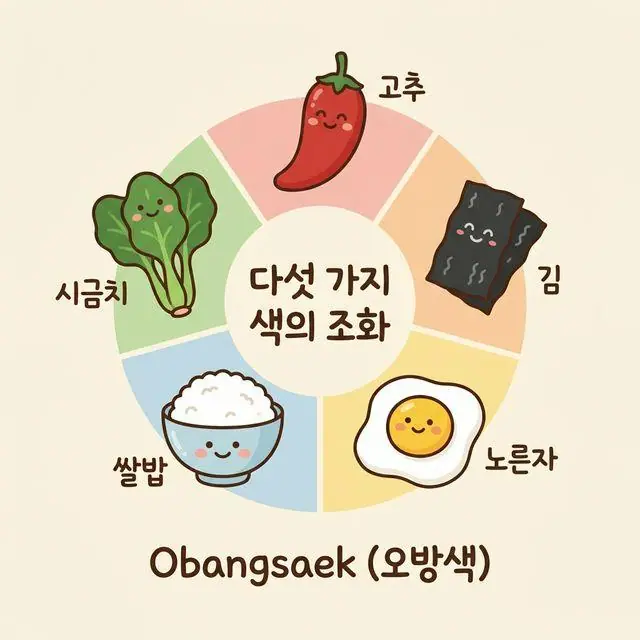
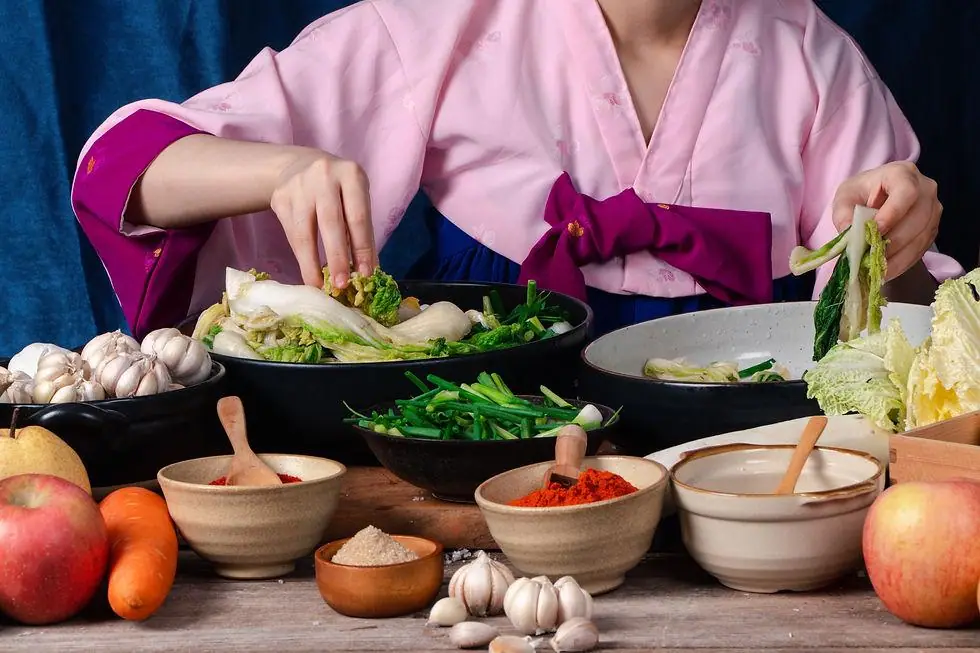
Korean cuisine follows the philosophy of balance and harmony.
Balance of Flavors
Korean food combines different tastes:
The goal is not one strong flavor, but harmony between different ingredients.
Harmony With Nature
Traditional Korean cooking respects natural ingredients.
Important values include:
Food and Health
Korean cuisine has traditionally connected food with health.
Many dishes use ingredients valued for nutrition:
Korean Food Identity
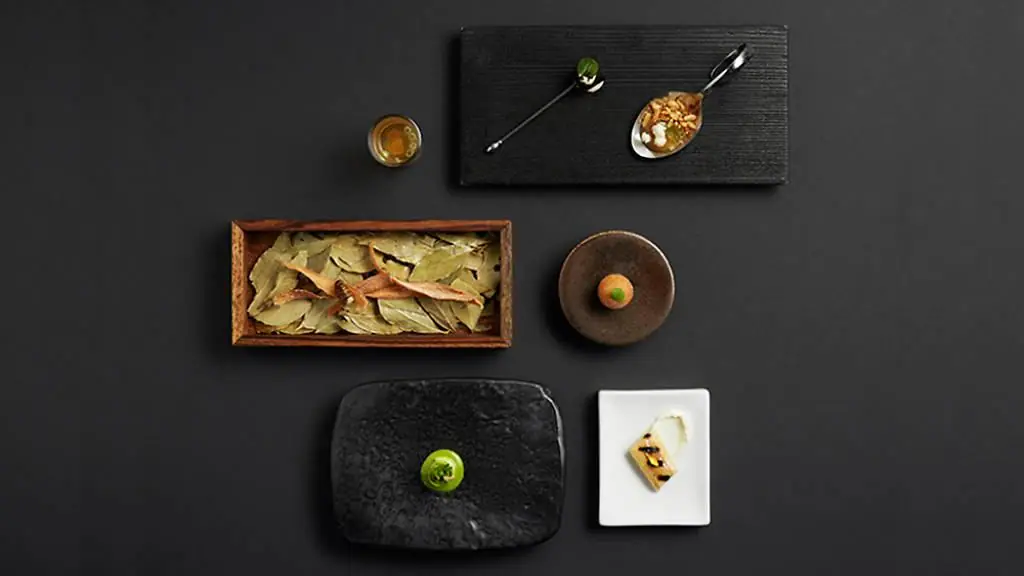
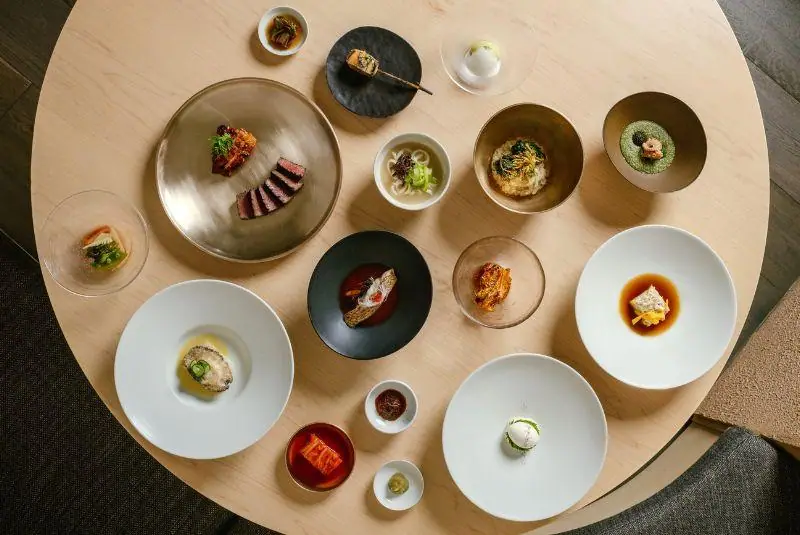
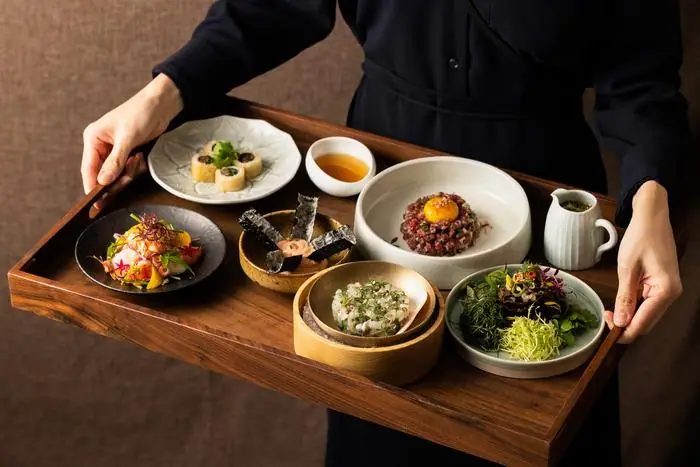
Korean food identity is shaped by several unique characteristics.
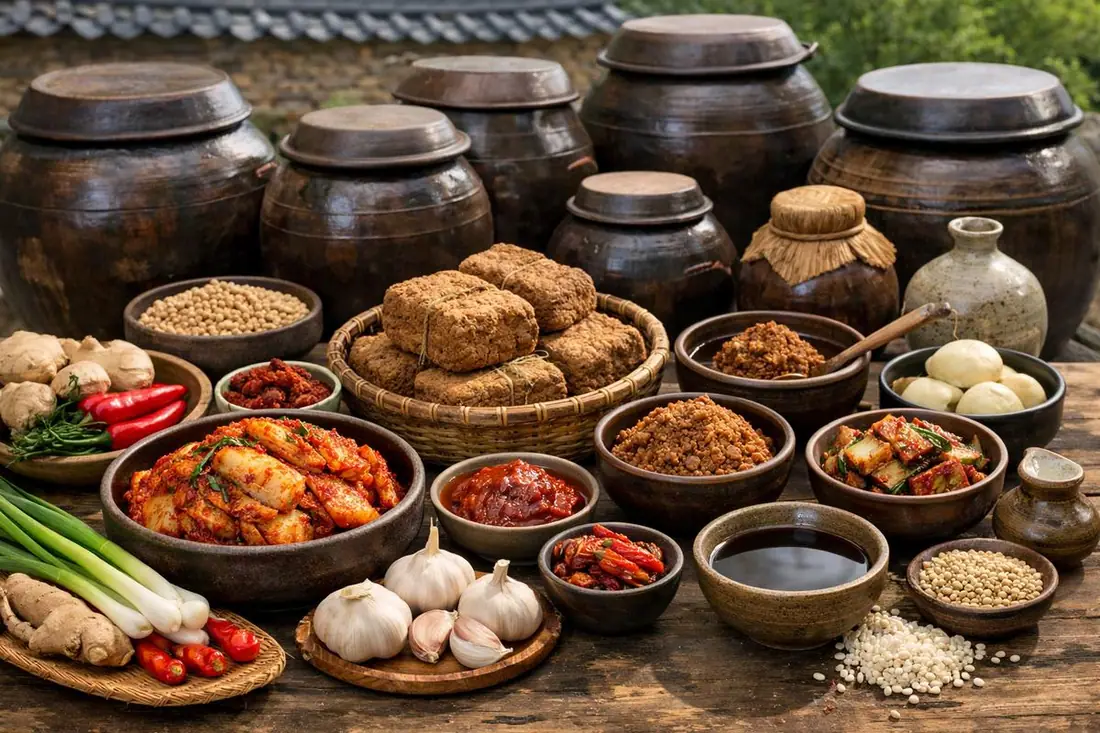
Fermentation
Fermented foods such as:
represent Korea’s traditional knowledge of preservation and flavor.
Sharing Culture
Korean meals often focus on sharing.
Many dishes are placed in the center of the table so everyone can enjoy different flavors together.
Seasonal Cooking
Korean cuisine follows the seasons and uses ingredients at their freshest.
Tradition and Modernity
Today, Korean cuisine continues to evolve while maintaining its traditional foundation.
Modern Hansik combines:
Pro Tips
- Hansik represents Korean food culture
- Korean cuisine developed through thousands of years of history
- Balance and harmony are key food philosophies
- Fermentation is a unique Korean tradition
- Seasonal ingredients shape Korean cooking
- Korean food combines tradition with modern creativity
Related Guides
Korean Food Culture
Korean food culture is built around rice, shared side dishes, seasonal ingredients, and community dining.
Kimchi Culture & Guide
Kimchi is more than a Korean side dish. It represents Korea’s history, fermentation knowledge, seasonal lifestyle, and community values.
Korean Traditional Ingredients
Korean traditional ingredients are the foundation of Hansik.
Ask AI About This Topic
Have a question about What Is Korean Cuisine??
Get instant, locally-checked answers from the ASK KOREA AI. Ask anything from specific edge cases to itinerary decisions.
"Tell me more about what is korean cuisine? and how to experience it in Korea."
ASK KOREA Transit