Korean Fermentation Culture
Korean fermentation culture represents centuries of knowledge about preserving food and developing deep flavors.
Quick Summary
Korean fermentation culture represents centuries of knowledge about preserving food and developing deep flavors.
Key takeaways
- Through kimchi, jang, and traditional fermentation methods, Korea has created a unique food culture where time, nature, and tradition come together.
The Complete Guide
Korean cuisine is deeply connected to fermentation.
For centuries, Koreans developed fermentation methods to preserve food, improve flavor, and create nutritious ingredients.
Fermentation is one of the most important characteristics that makes Korean cuisine unique.
From kimchi to traditional sauces, fermented foods represent Korea’s knowledge of nature, time, and food preparation.
Kimchi Fermentation
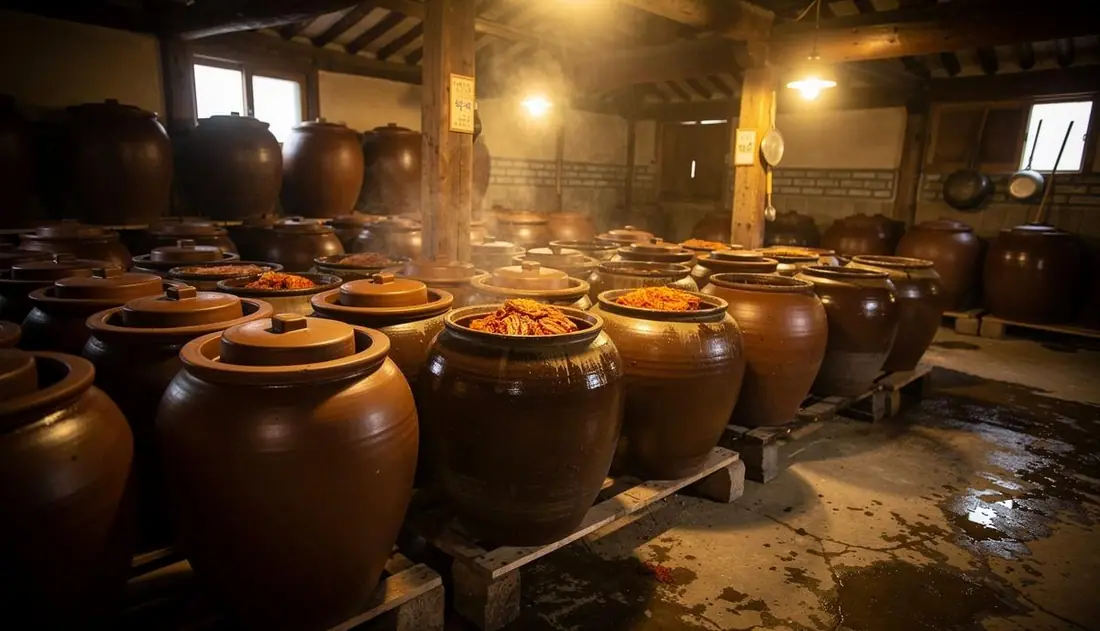
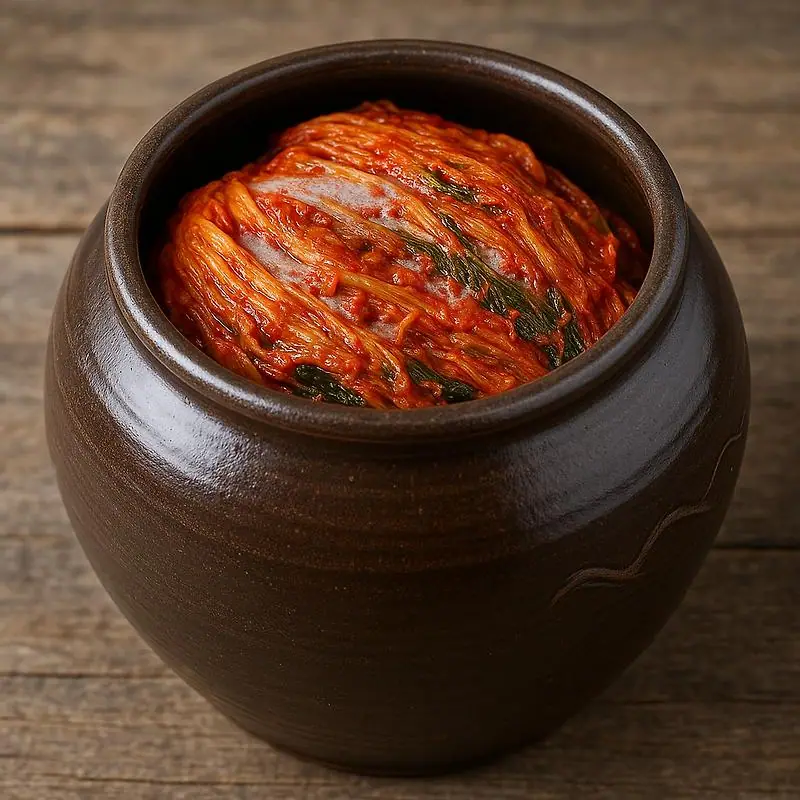
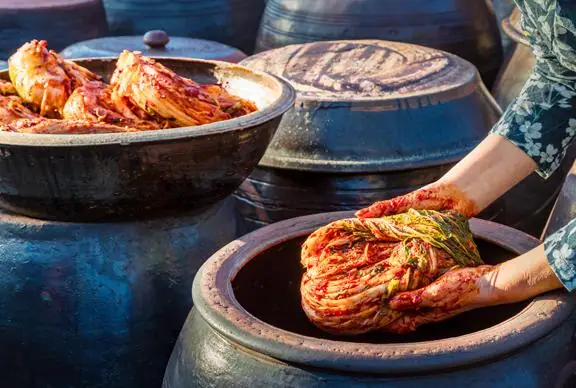
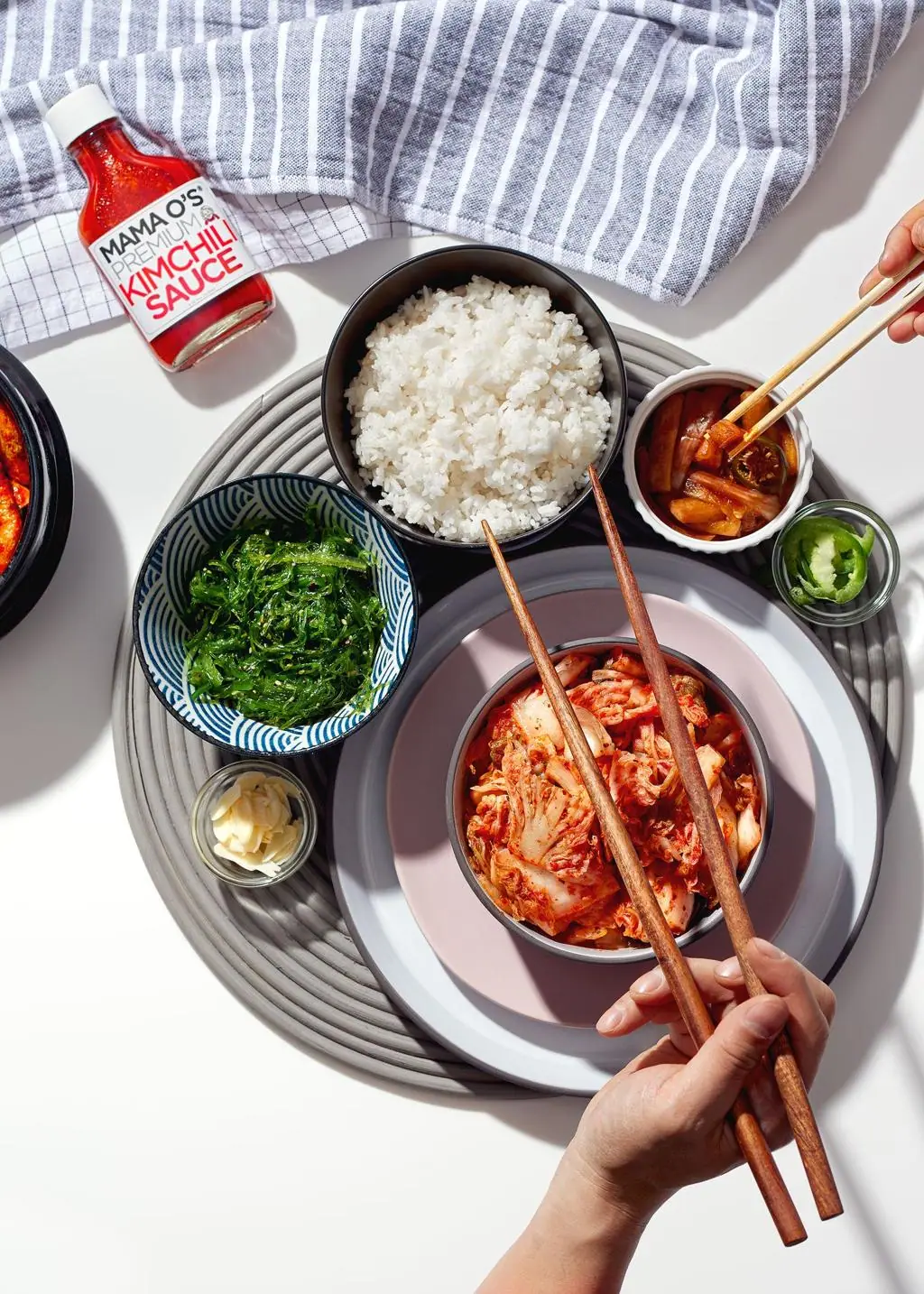
Kimchi fermentation is one of the most famous examples of Korean fermentation culture.
During fermentation, natural microorganisms help develop:
The fermentation process changes kimchi from a simple vegetable dish into a complex traditional food.
How Kimchi Fermentation Works
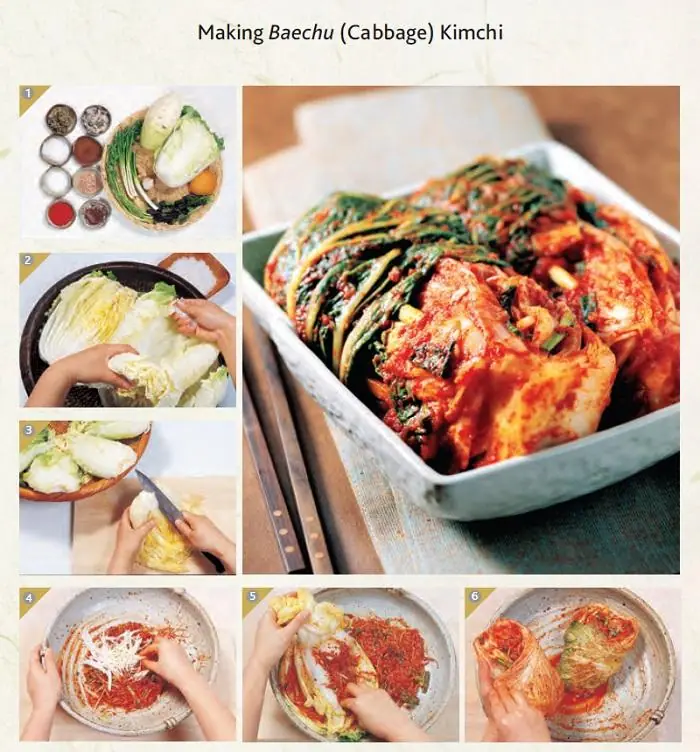
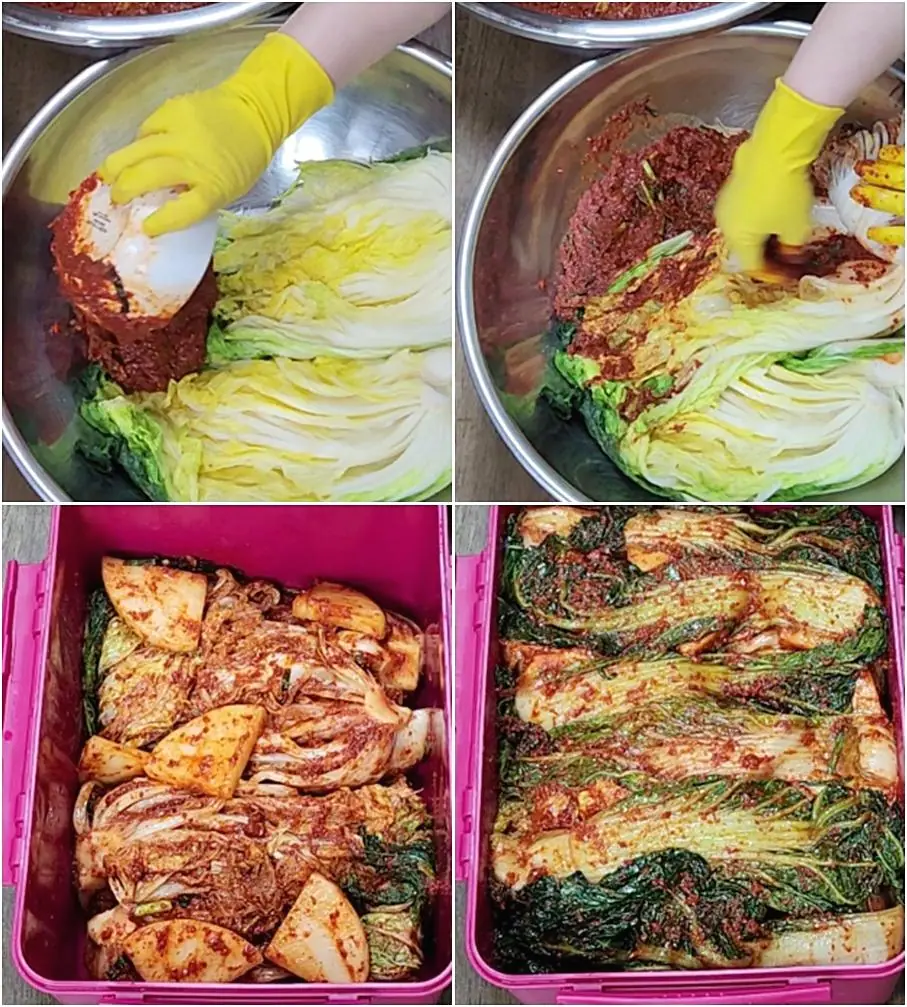
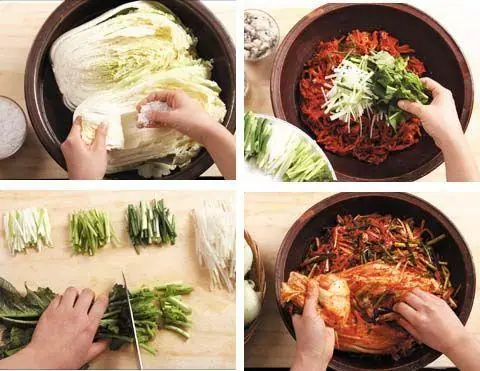
The traditional kimchi fermentation process includes several steps.
Preparing Ingredients
Main ingredients are prepared:
Mixing Seasoning
The vegetables are combined with carefully prepared seasoning.
Each region and family may have its own recipe and flavor style.
Fermentation and Storage
Kimchi is stored under suitable conditions to develop its flavor.
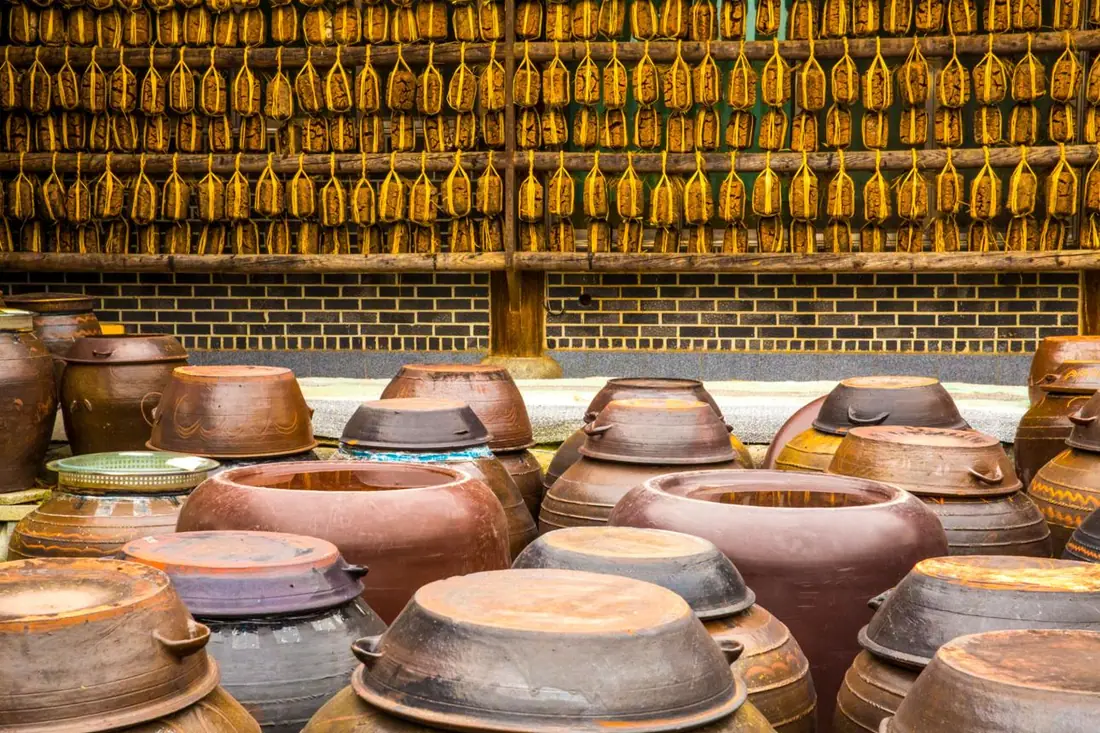
Traditionally, Koreans stored kimchi in Onggi, traditional clay containers that allowed natural fermentation.
Jang Culture
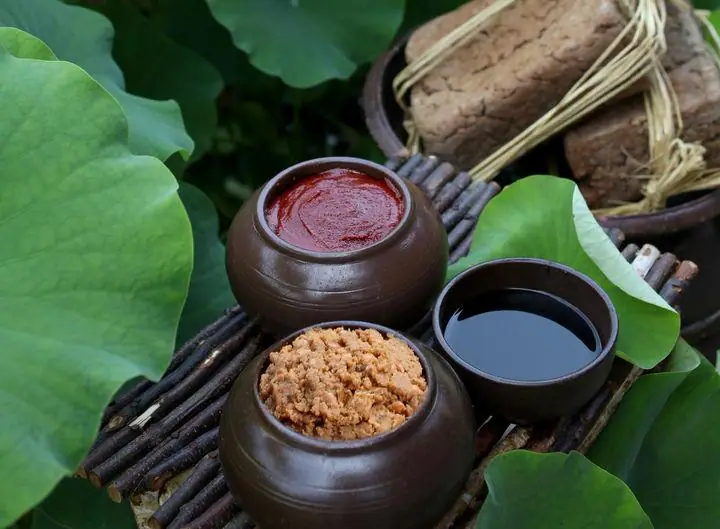
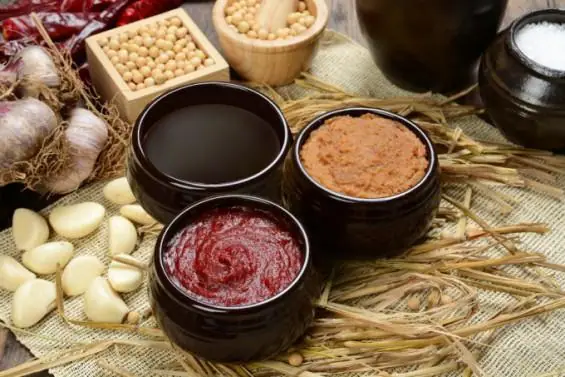
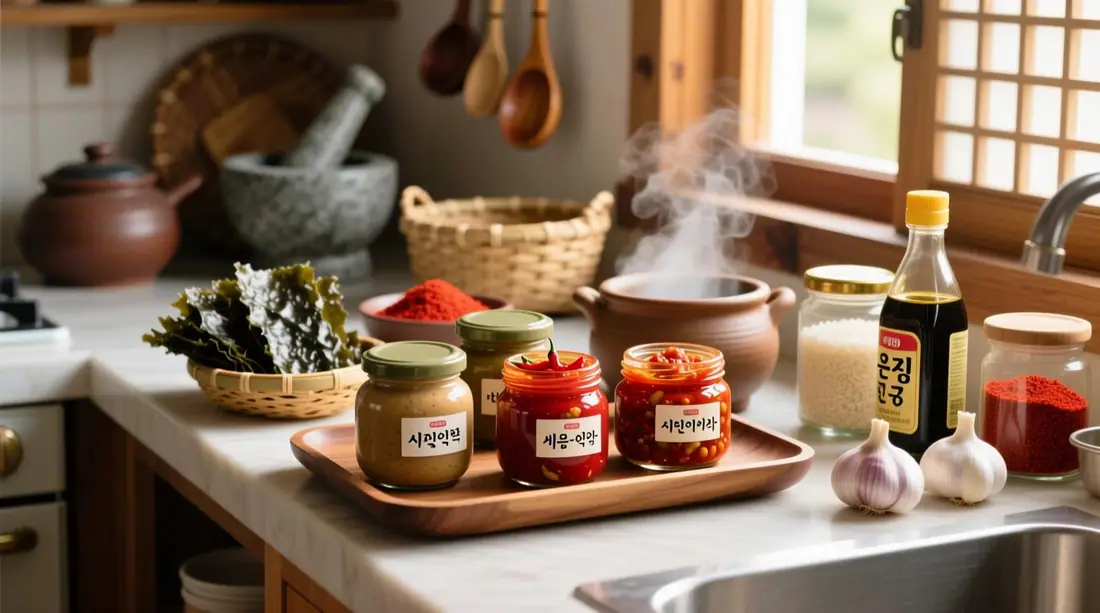
Jang refers to traditional Korean fermented sauces made mainly from soybeans.
The three most important types are:
Doenjang
Fermented soybean paste used in:
It provides a deep savory flavor.
Gochujang
Fermented red pepper paste that creates:
It is widely used in modern Korean cooking.
Ganjang
Traditional Korean soy sauce used for:
Jang culture has been passed down through generations and remains an essential part of Korean kitchens.
Traditional Fermentation Process
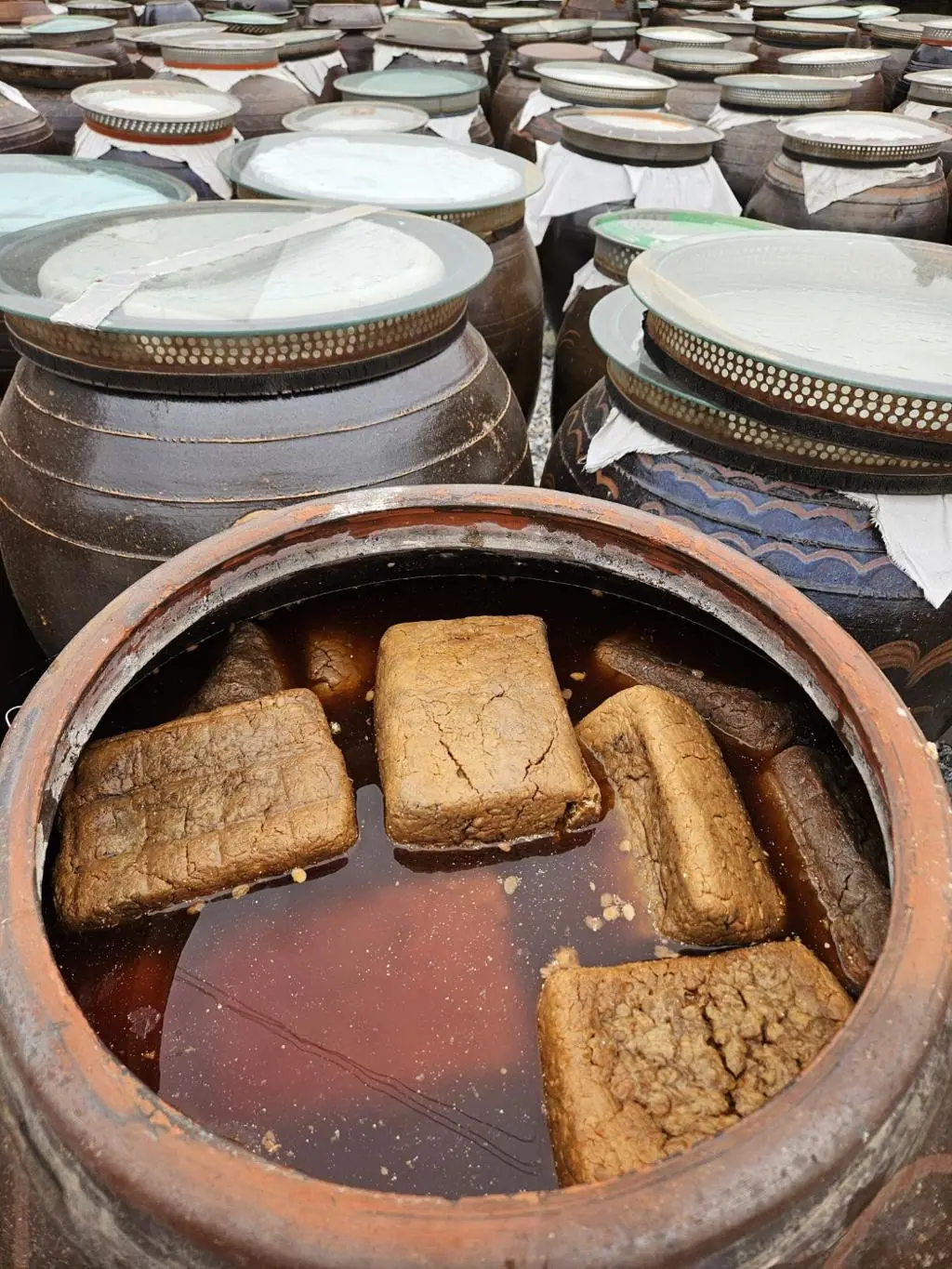
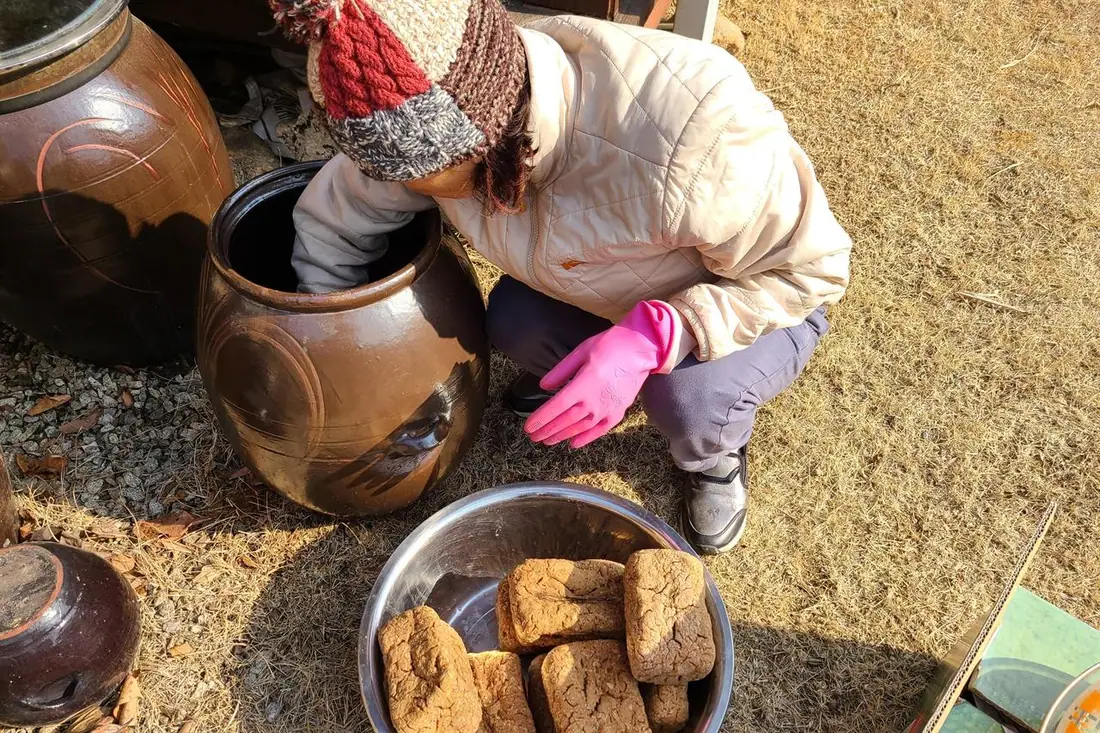
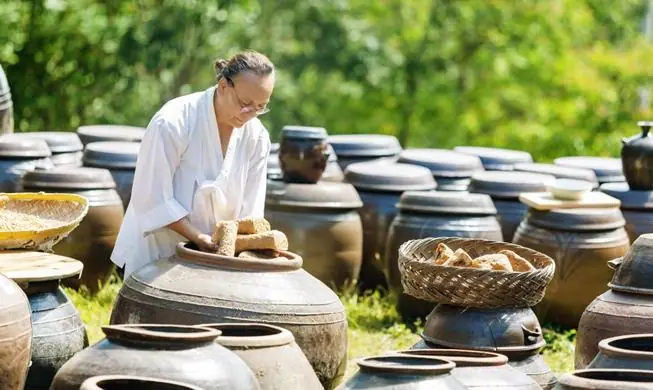
Traditional Korean fermentation requires time, patience, and natural processes.
Meju Preparation
Soybeans are cooked and shaped into blocks called Meju.
Meju becomes the foundation for:
Natural Fermentation
Meju is naturally fermented over time.
The process develops:
Onggi: Traditional Fermentation Containers
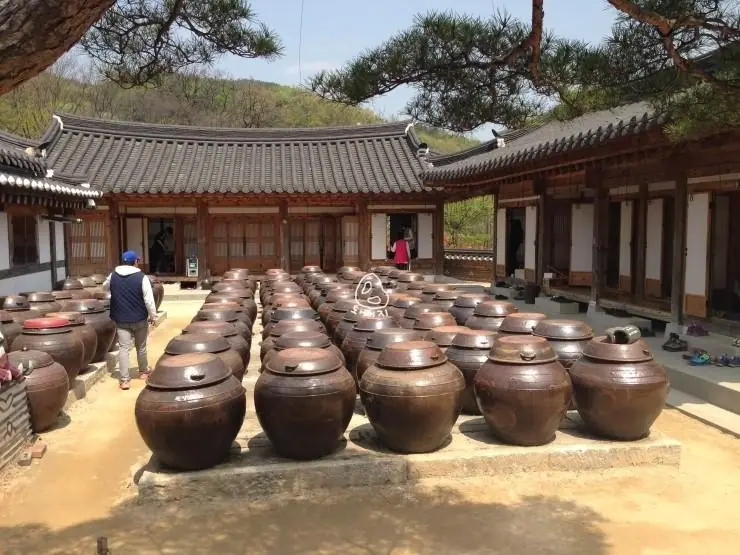
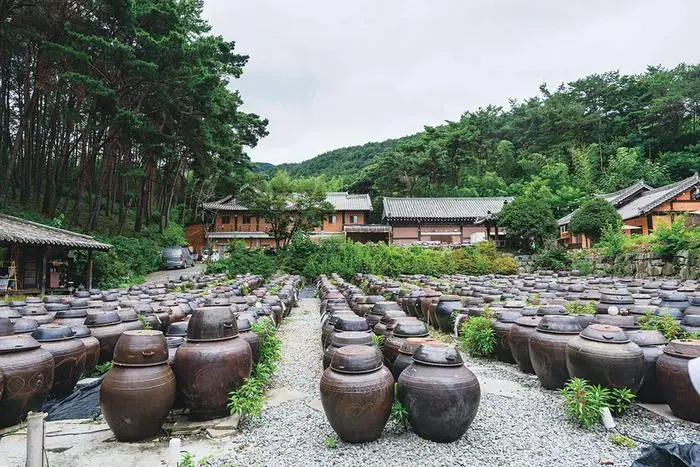
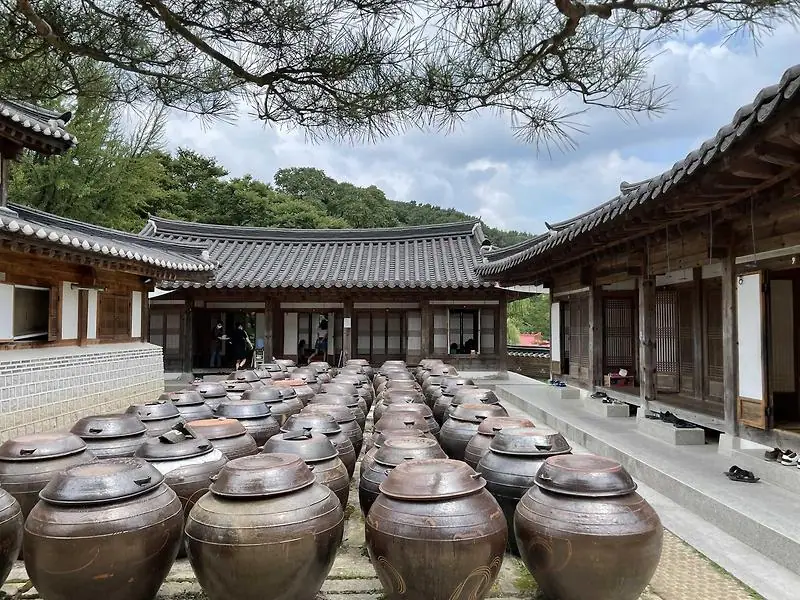
Onggi are traditional Korean clay containers used for fermentation.
They are valued because they allow:
Onggi represent the connection between Korean food culture and nature.
Fermentation in Modern Korea
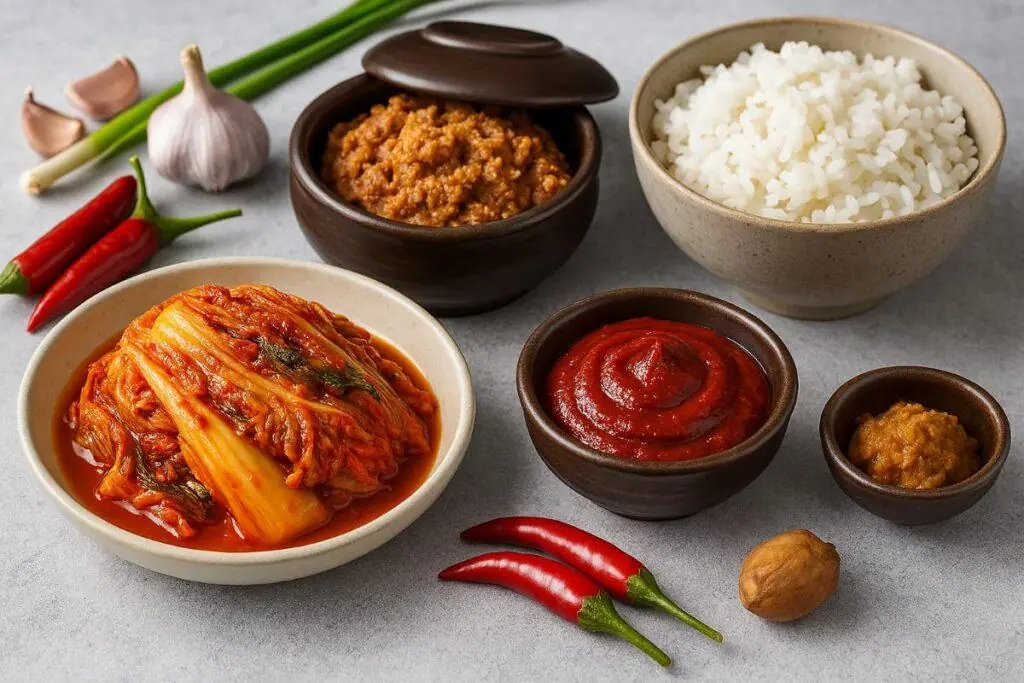
Today, Korean fermentation continues to be an important part of Korean cuisine.
Traditional fermented foods are enjoyed both at home and around the world.
Modern Korean chefs continue to use fermentation techniques while creating new interpretations of Korean dishes.
Pro Tips
- Fermentation is a core element of Korean cuisine
- Kimchi fermentation creates unique flavors and textures
- Jang culture includes Doenjang, Gochujang, and Ganjang
- Traditional fermentation requires time and patience
- Onggi represents Korea’s connection with nature
- Fermented foods remain important in modern Korean cooking
Related Guides
Regional Korean Cuisine
Regional Korean cuisine reflects the geography, history, and lifestyle of each area.
Royal Cuisine & Temple Food
Royal cuisine and temple food represent two important traditions of Korean cuisine.
Korean Food by Price Range
From affordable street food to luxury fine dining, Korea offers amazing flavors for every traveler and every budget.
Ask AI About This Topic
Have a question about Korean Fermentation Culture?
Get instant, locally-checked answers from the ASK KOREA AI. Ask anything from specific edge cases to itinerary decisions.
"Tell me more about korean fermentation culture and how to experience it in Korea."
ASK KOREA Transit