Royal Cuisine & Temple Food
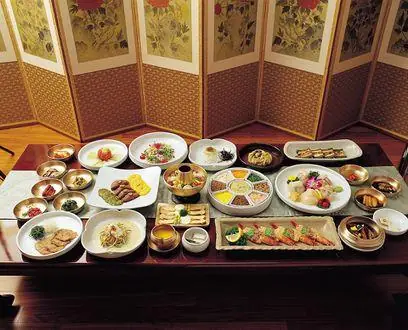
Royal cuisine and temple food represent two important traditions of Korean cuisine.
Quick Summary
Royal cuisine and temple food represent two important traditions of Korean cuisine.
Key takeaways
- Royal cuisine shows the elegance and creativity of the Korean royal court, while temple food demonstrates simplicity, mindfulness, and respect for nature.
- Together, they reveal the depth and diversity of Korean food culture.
The Complete Guide
Korean cuisine has developed through many different lifestyles and traditions.
Among them, Royal Cuisine and Temple Food represent two important parts of Korean food culture.
Royal cuisine shows the elegance and sophistication of the Korean royal court, while temple food reflects simplicity, mindfulness, and harmony with nature.
Both traditions provide a deeper understanding of Korean philosophy and values through food.
Royal Court Food
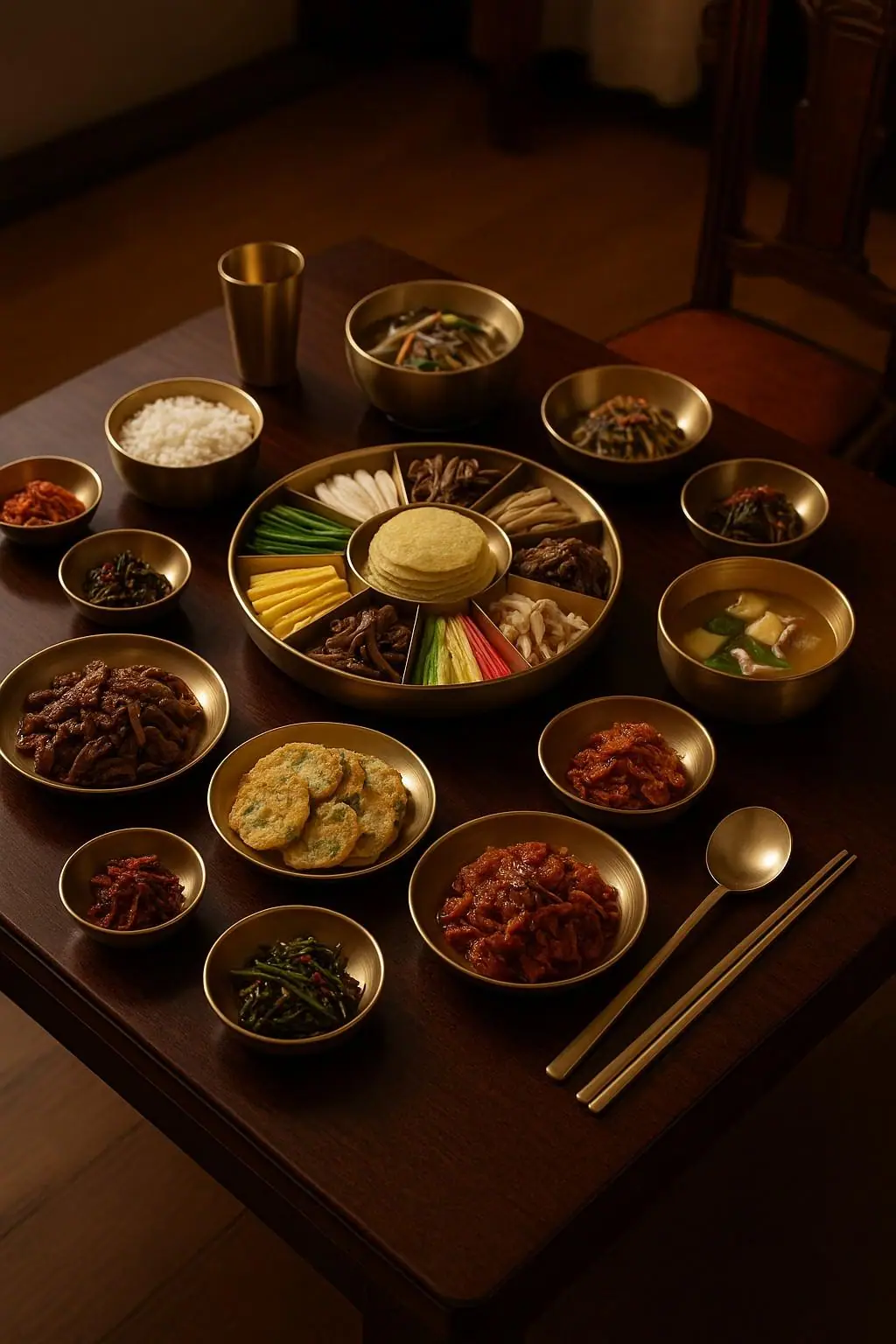
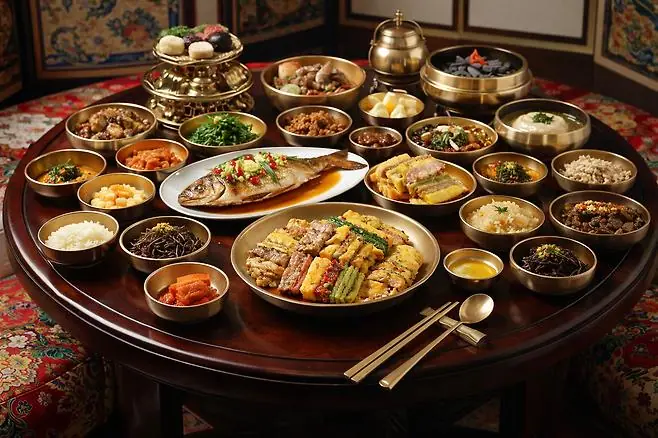
Royal court food, known as Gungjung Cuisine, was the food prepared for the kings and royal family during the Joseon Dynasty.
The royal kitchen was managed by skilled cooks who carefully prepared meals using high-quality ingredients from across Korea.
Royal cuisine focused on:
Royal Table Setting
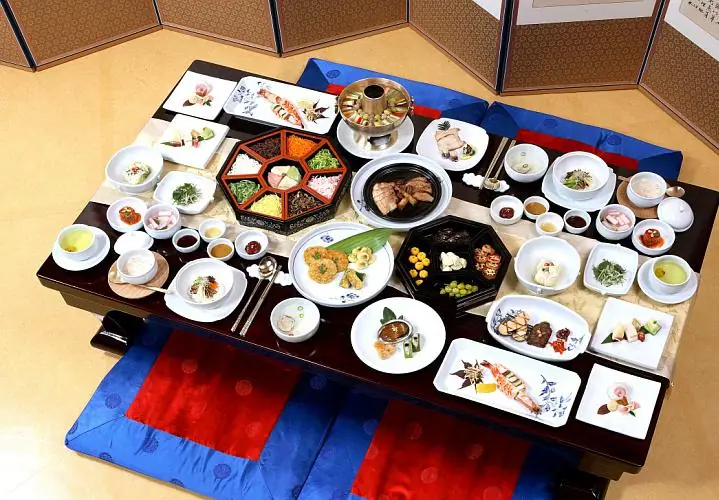
A royal meal was carefully arranged with many different dishes.
A traditional royal table could include:
Food was arranged according to traditional principles of balance, color, and harmony.
Characteristics of Royal Cuisine
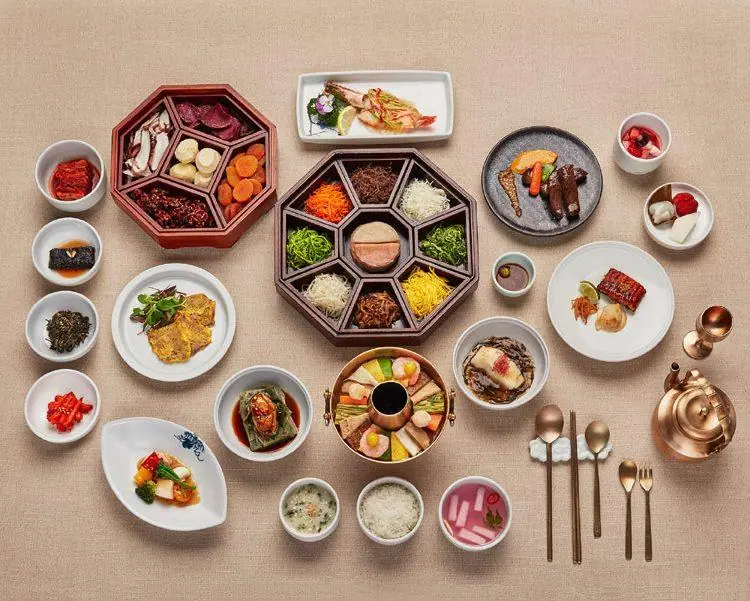
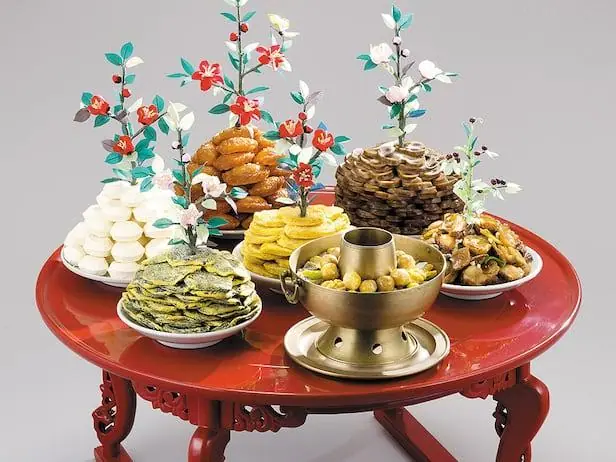
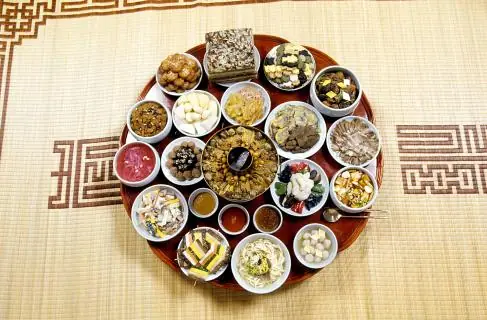
Royal cuisine was known for:
Sophisticated Preparation
Royal cooks used detailed techniques to create refined flavors.
Beautiful Presentation
Food was arranged with attention to:
Seasonal Ingredients
The royal kitchen followed seasonal availability and used the best ingredients.
Famous Royal Cuisine Examples
Examples of traditional royal dishes include:
These dishes show the skill and creativity of traditional Korean cooking.
Temple Food
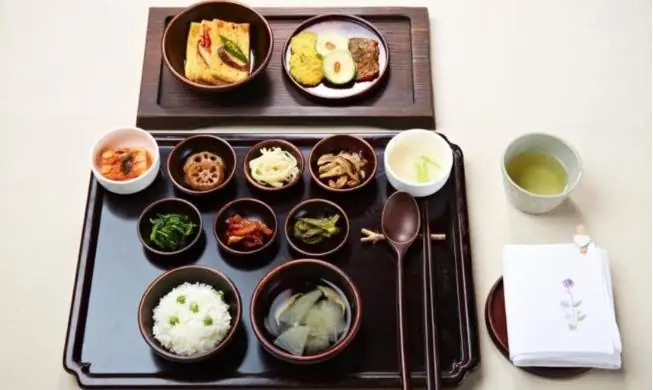
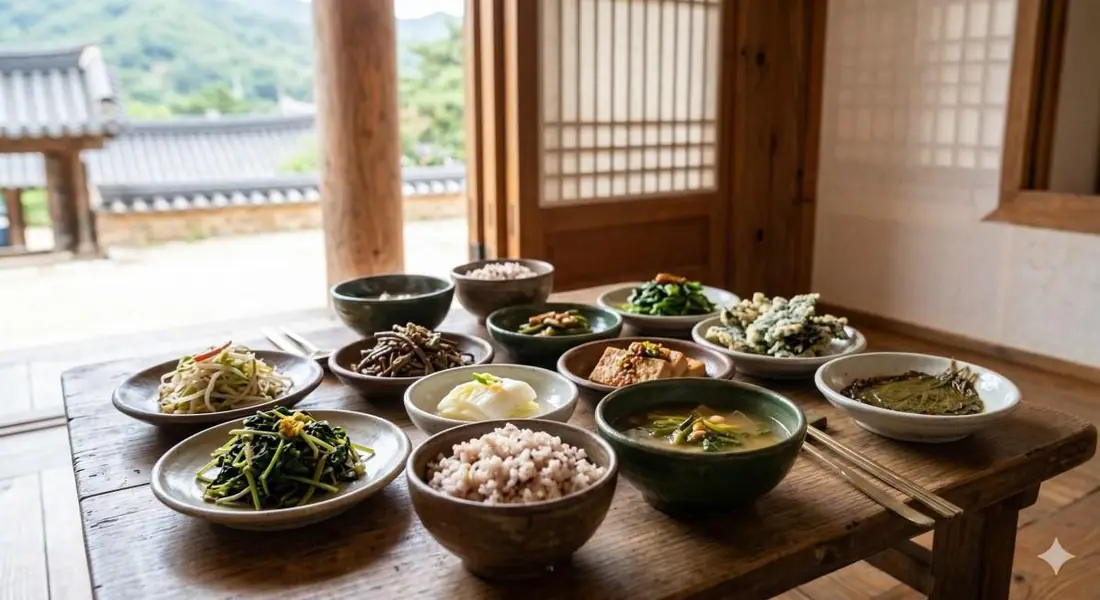
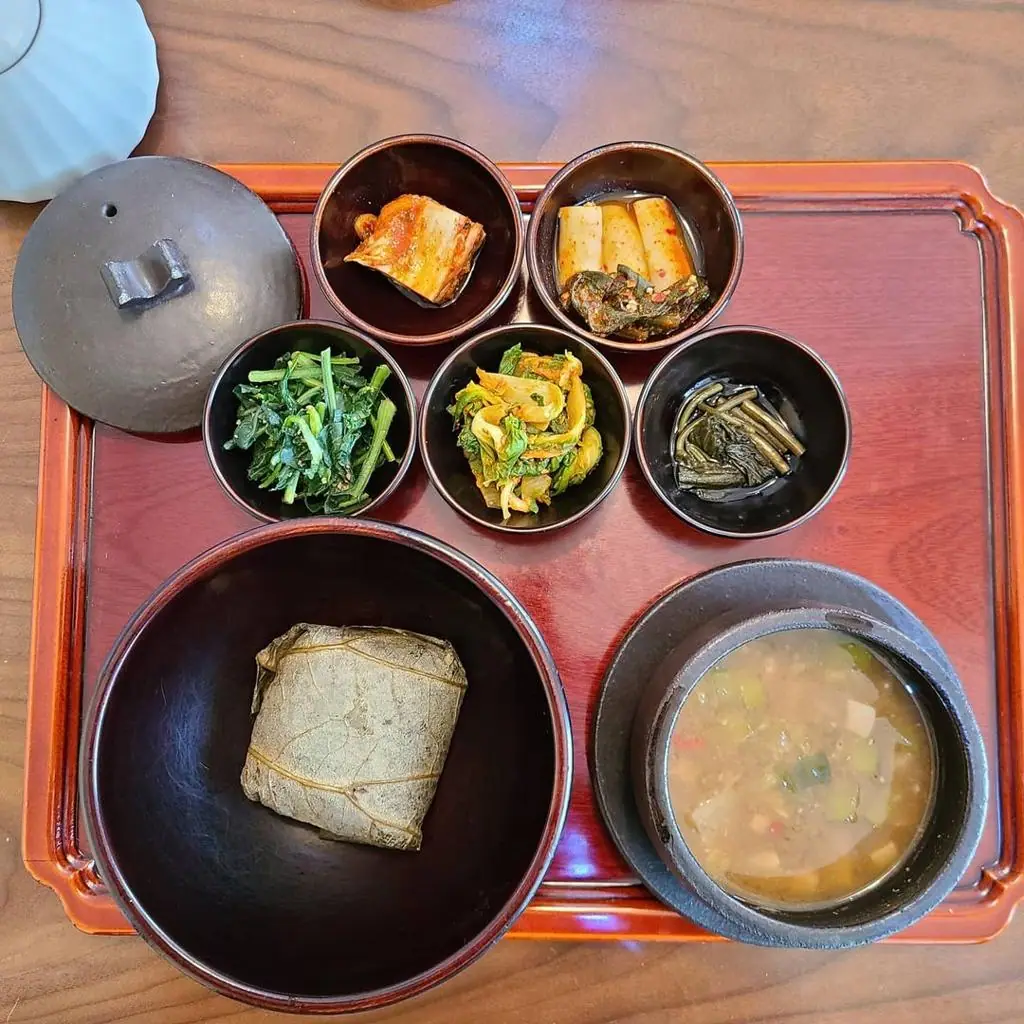
Temple food is the traditional cuisine of Korean Buddhist temples.
Unlike royal cuisine, temple food focuses on simplicity, mindfulness, and respect for nature.
Temple food follows the Buddhist philosophy that food should support both the body and the mind.
Buddhist Food Philosophy
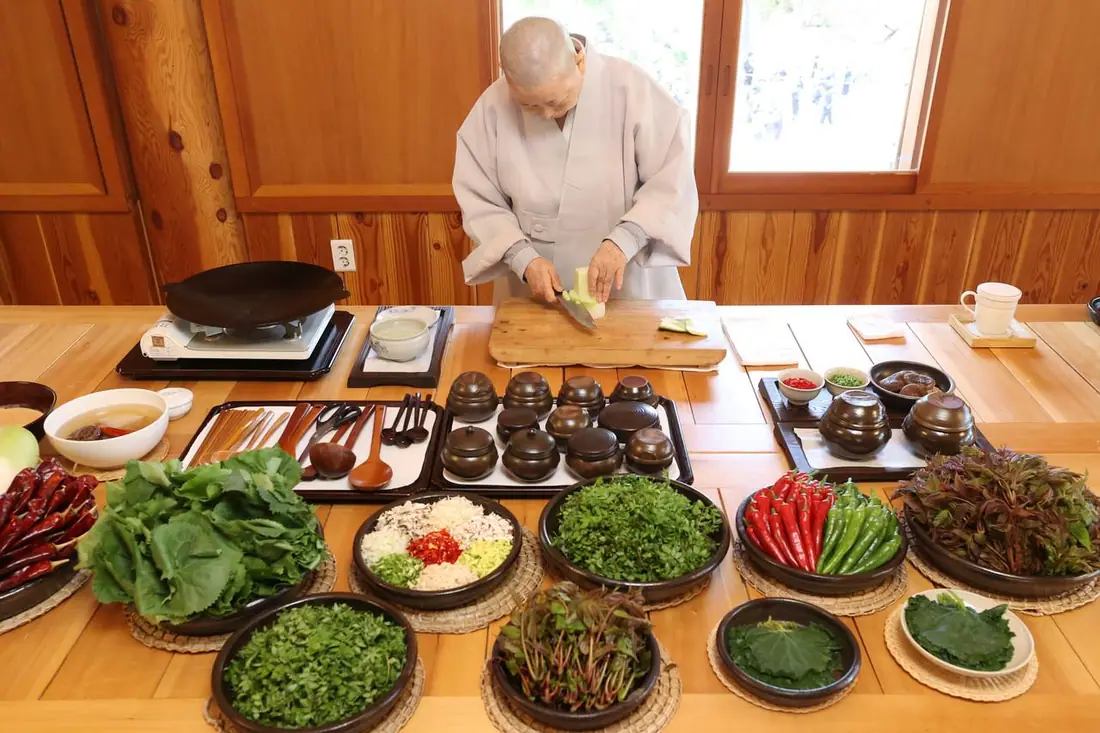
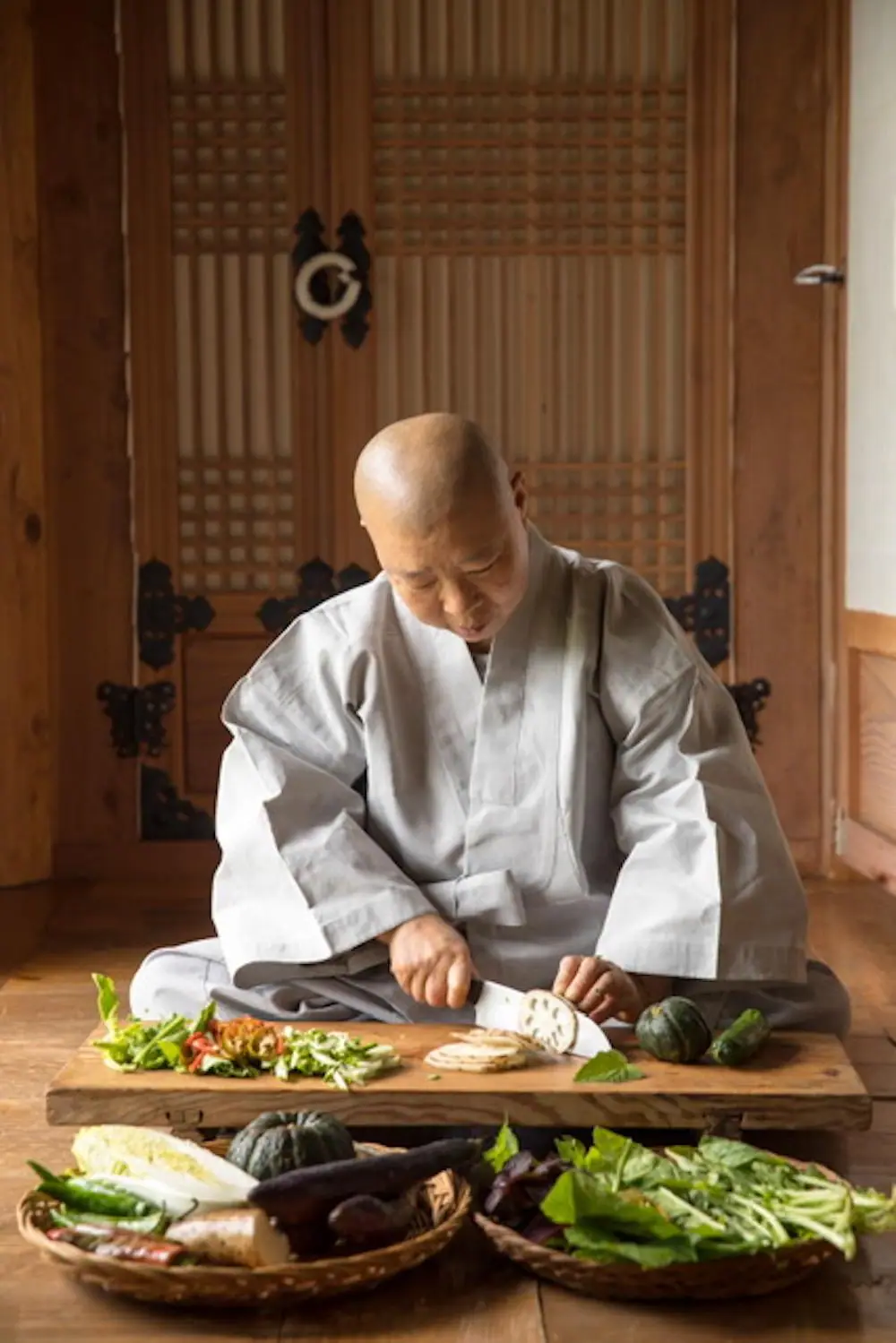
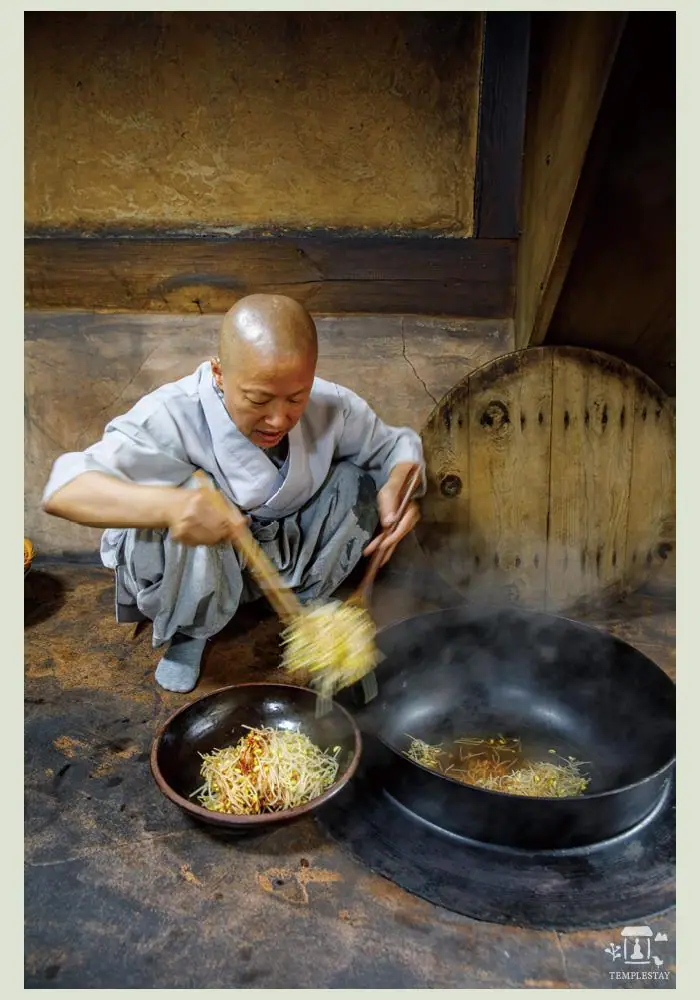
Temple food emphasizes:
Traditional Korean temple food does not use:
It focuses on natural flavors from vegetables, grains, and fermented ingredients.
Seasonal Temple Cooking
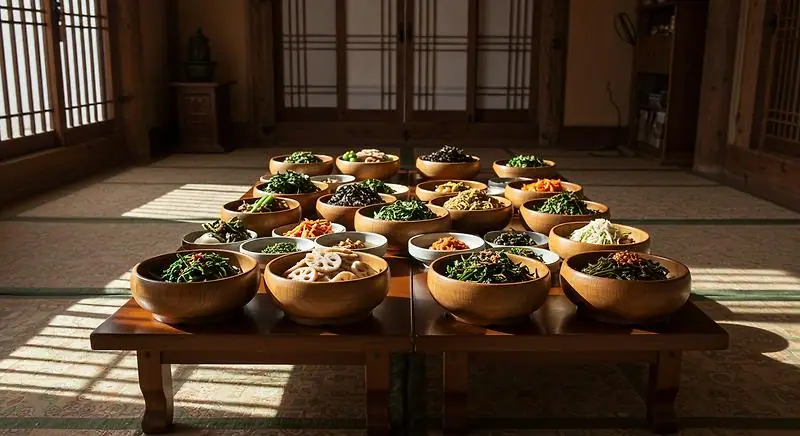
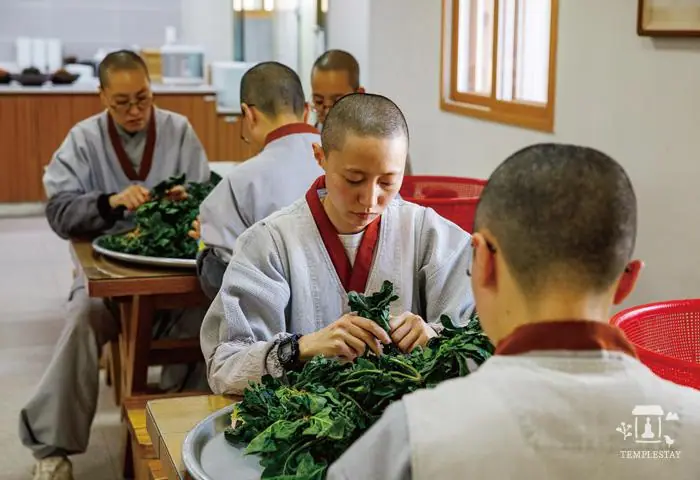
Temple cuisine changes with the seasons.
Monks use ingredients that are naturally available:
Spring
Summer
Autumn
Winter
Temple Food Experience
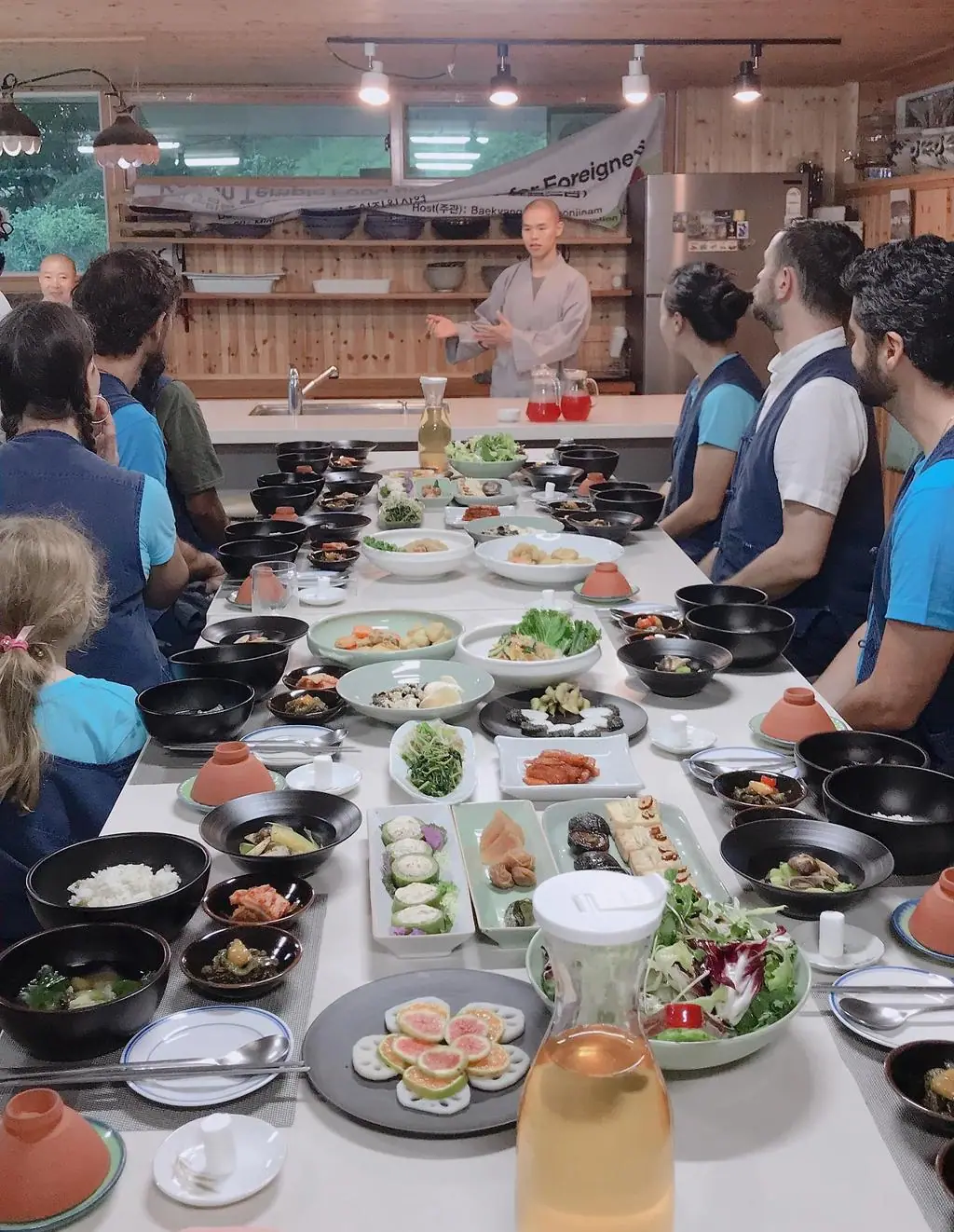
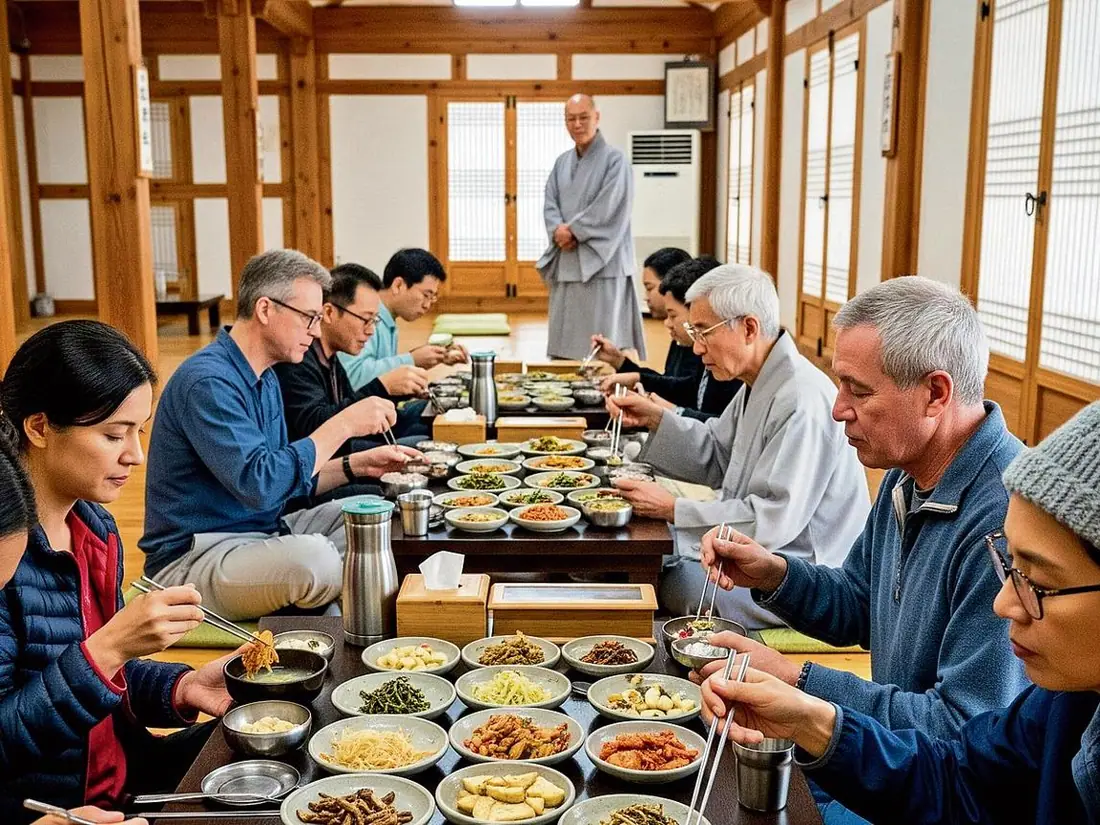
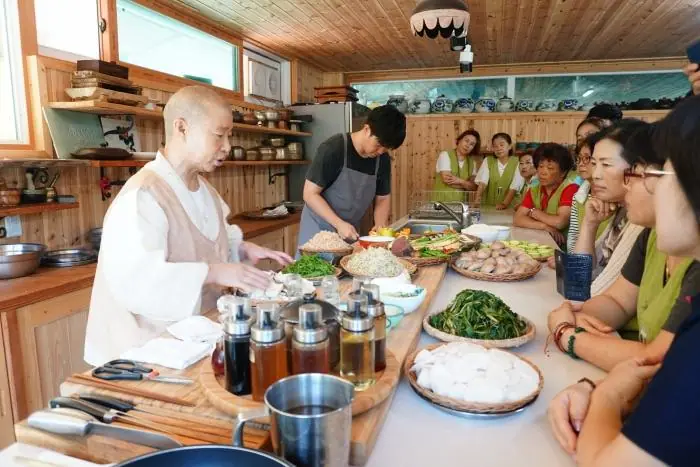
International visitors can experience Korean temple food through:
Temple food provides an opportunity to understand Korean spirituality, nature, and traditional lifestyle.
Royal Cuisine and Temple Food Comparison
| Royal Cuisine | Temple Food |
| Created for the royal family | Developed in Buddhist temples |
| Focus on elegance and presentation | Focus on simplicity and mindfulness |
| Uses various ingredients | Mainly plant-based ingredients |
| Represents royal culture | Represents Buddhist philosophy |
Pro Tips
- Royal cuisine represents Joseon royal culture
- Temple food reflects Buddhist philosophy
- Both traditions emphasize balance and harmony
- Seasonal ingredients are important in both styles
- Food reflects Korean values and history
Related Guides
Korean Food by Price Range
From affordable street food to luxury fine dining, Korea offers amazing flavors for every traveler and every budget.
Korean Regional Cuisine Overview
Korea's regional cuisines are shaped by its diverse geography, rich history and four distinct seasons.
What Is Korean Cuisine?
Korean cuisine, known as Hansik, is more than food. It is a cultural system that reflects Korea’s history, nature, philosophy, and lifestyle.
Ask AI About This Topic
Have a question about Royal Cuisine & Temple Food?
Get instant, locally-checked answers from the ASK KOREA AI. Ask anything from specific edge cases to itinerary decisions.
"Tell me more about royal cuisine & temple food and how to experience it in Korea."
ASK KOREA Transit