Korean Traditional Ingredients
Korean traditional ingredients are the foundation of Hansik.
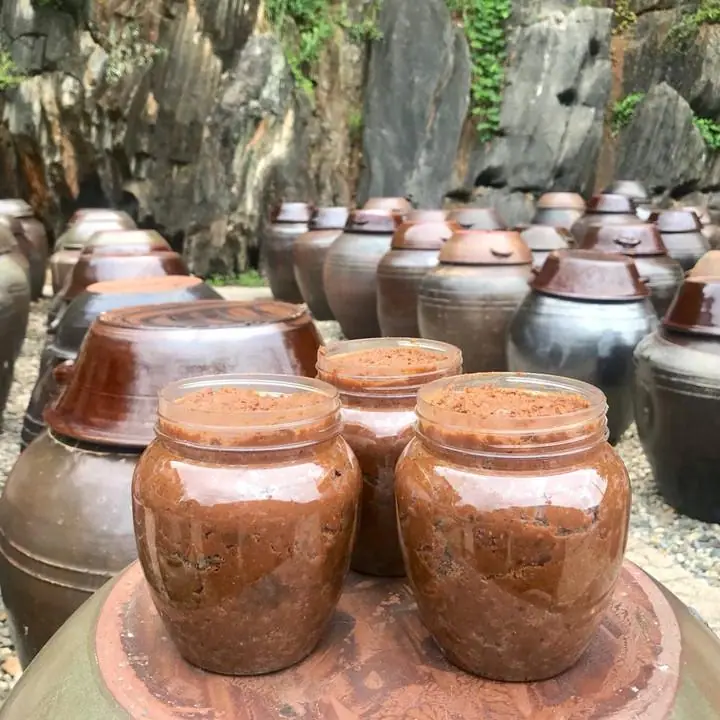
Quick Summary
Korean traditional ingredients are the foundation of Hansik.
Key takeaways
- From fermented sauces like Doenjang, Gochujang, and Ganjang to tofu, Gochugaru, sesame oil, and Jeotgal, these ingredients create the unique flavors and identity of Korean cuisine.
The Complete Guide
Korean cuisine is built on unique traditional ingredients that create its distinctive flavors.
Many Korean dishes are not created from complicated techniques but from carefully developed ingredients such as fermented sauces, soybean products, spices, and natural seasonings.
These ingredients are the foundation of Korean cooking and help explain why Korean food has such a unique taste and identity.
Doenjang (Soybean Paste)
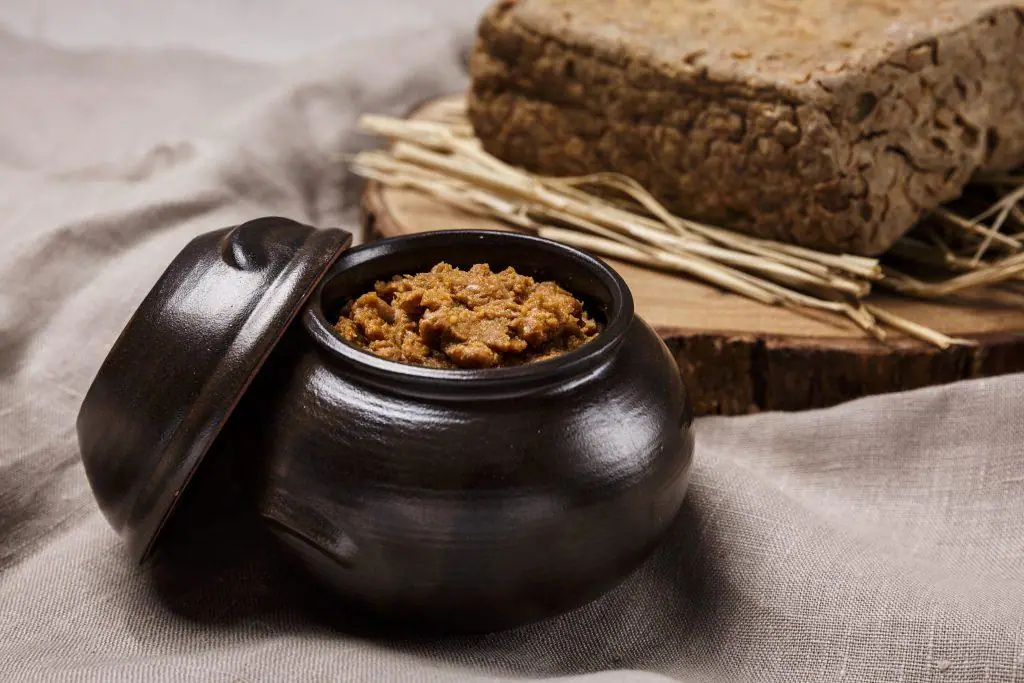
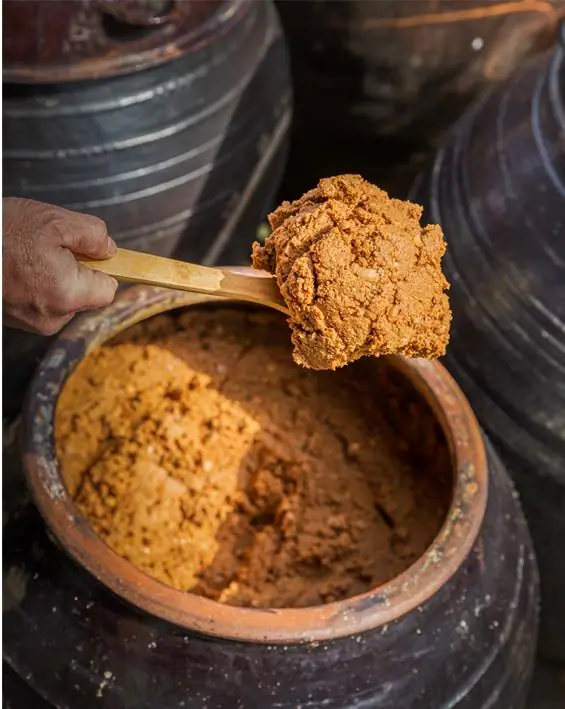
Doenjang is one of Korea’s most important traditional fermented foods.
It is made from fermented soybeans and has been used in Korean cooking for hundreds of years.
Doenjang provides:
It is commonly used in:
Doenjang represents Korea’s long history of fermentation and food preservation.
Gochujang (Red Pepper Paste)
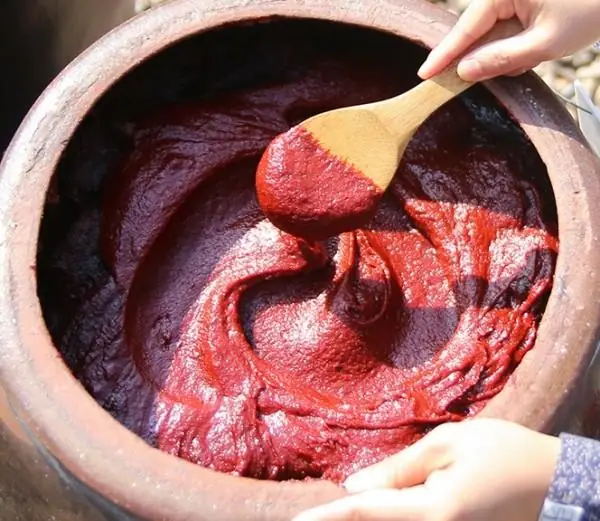
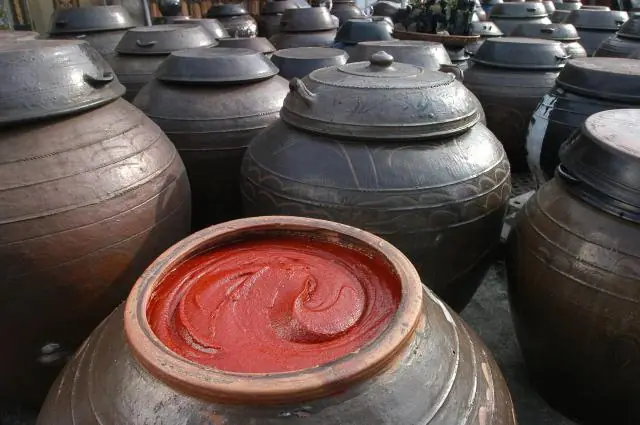
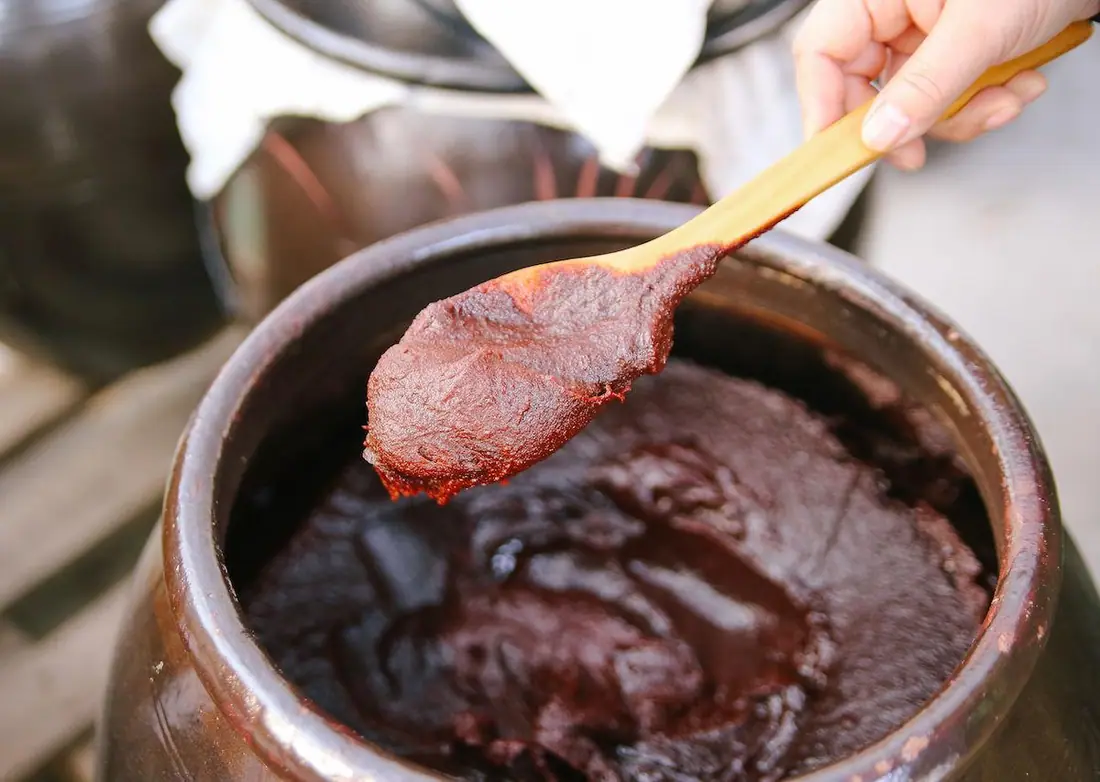
Gochujang is a fermented red pepper paste that creates the unique spicy flavor of Korean cuisine.
It is made using:
Gochujang provides a combination of:
It is used in many Korean dishes, including:
Ganjang (Korean Soy Sauce)
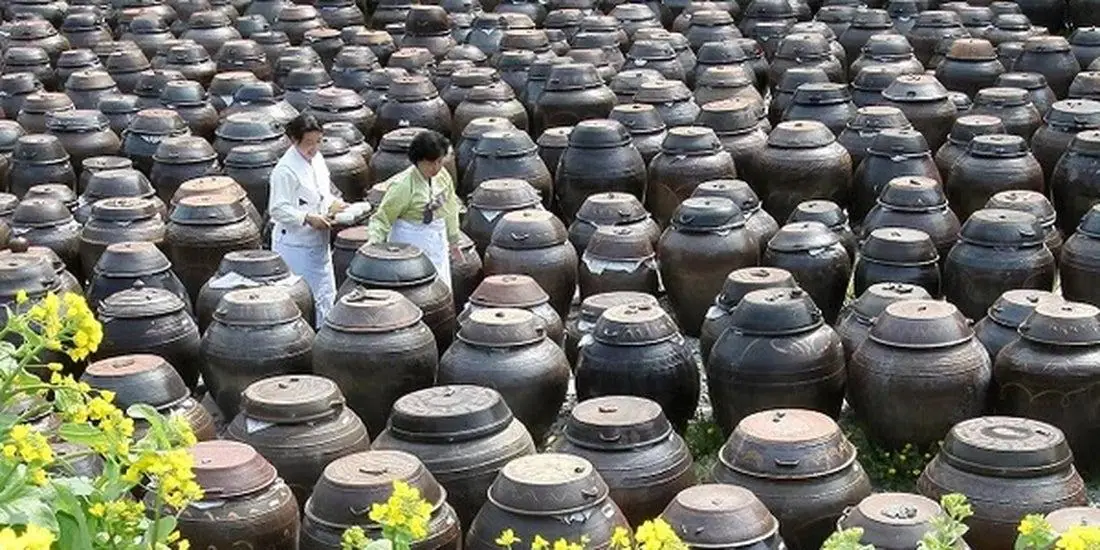

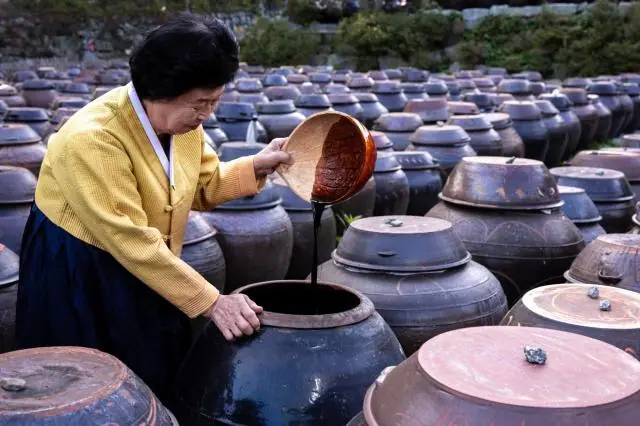
Ganjang is traditional Korean soy sauce made through fermentation.
Unlike many modern soy sauces, traditional Korean ganjang has a deep history connected to Korean fermentation culture.
Types include:
Guk Ganjang (Soup Soy Sauce)
Used mainly for:
It has a lighter color and strong salty flavor.
Jin Ganjang (Dark Soy Sauce)
Used for:
Ganjang is one of the essential seasonings in Korean kitchens.
Tofu (Dubu)
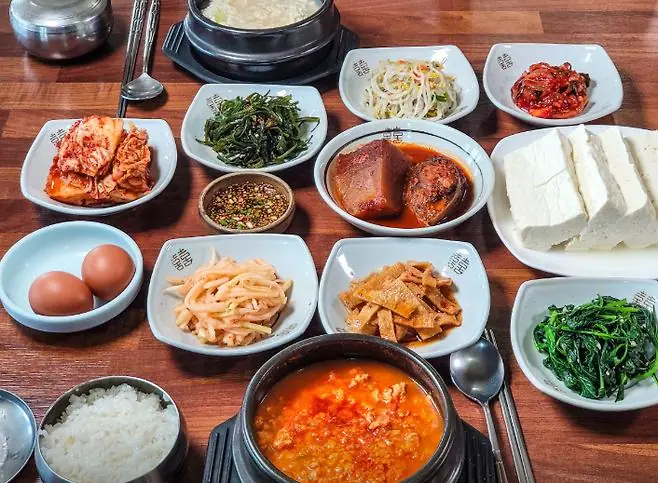
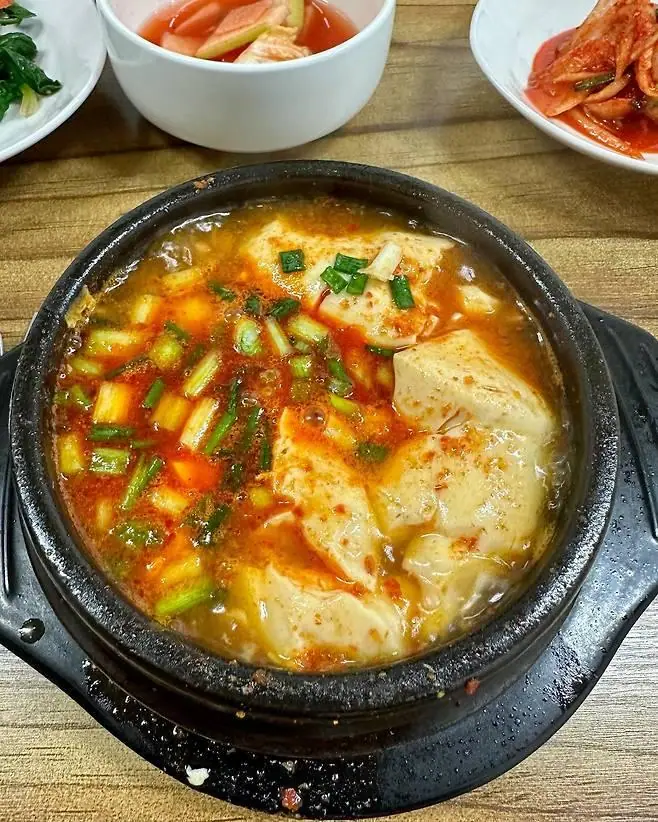
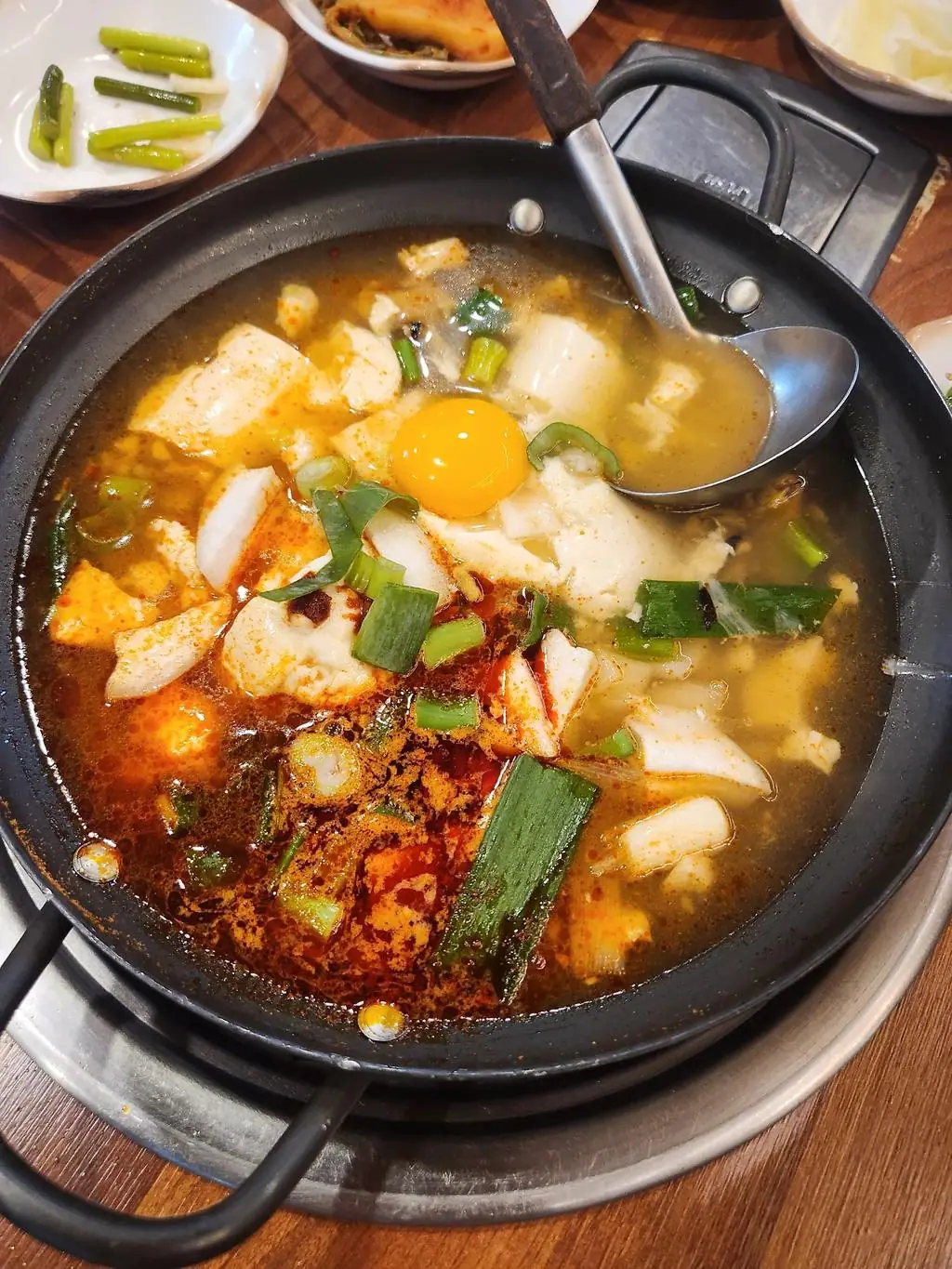
Tofu, known as Dubu in Korean, is an important soybean-based food.
Korean tofu has been enjoyed for centuries because it is:
Common tofu dishes include:
Tofu represents the importance of soybean culture in Korean cuisine.
Gochugaru (Korean Chili Powder)
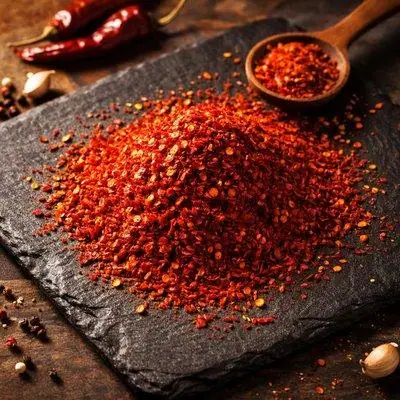
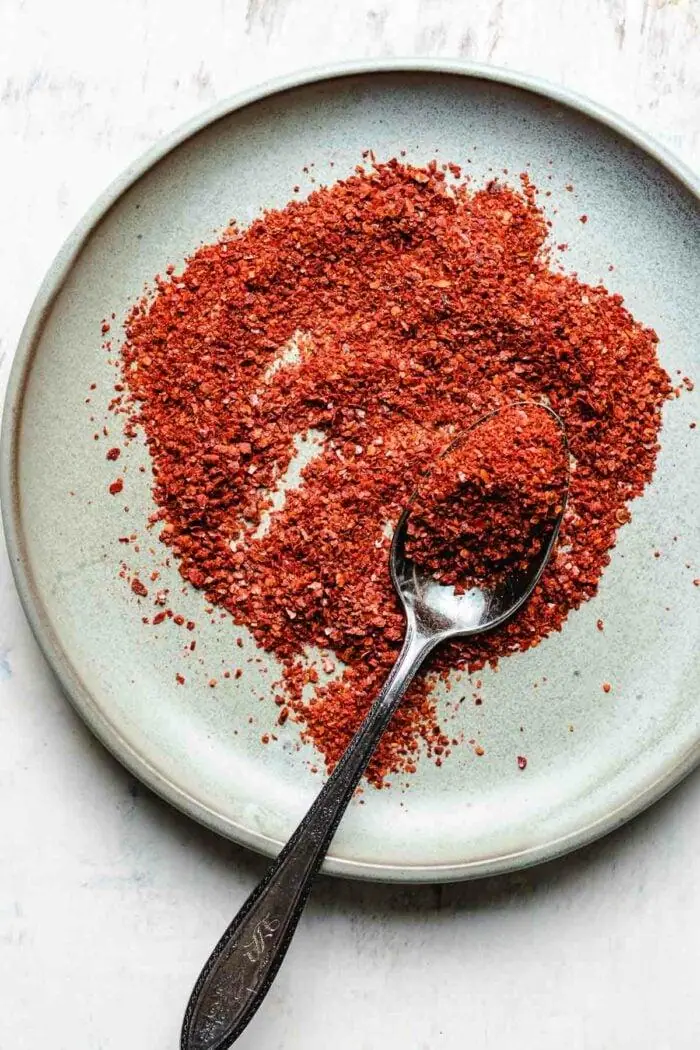
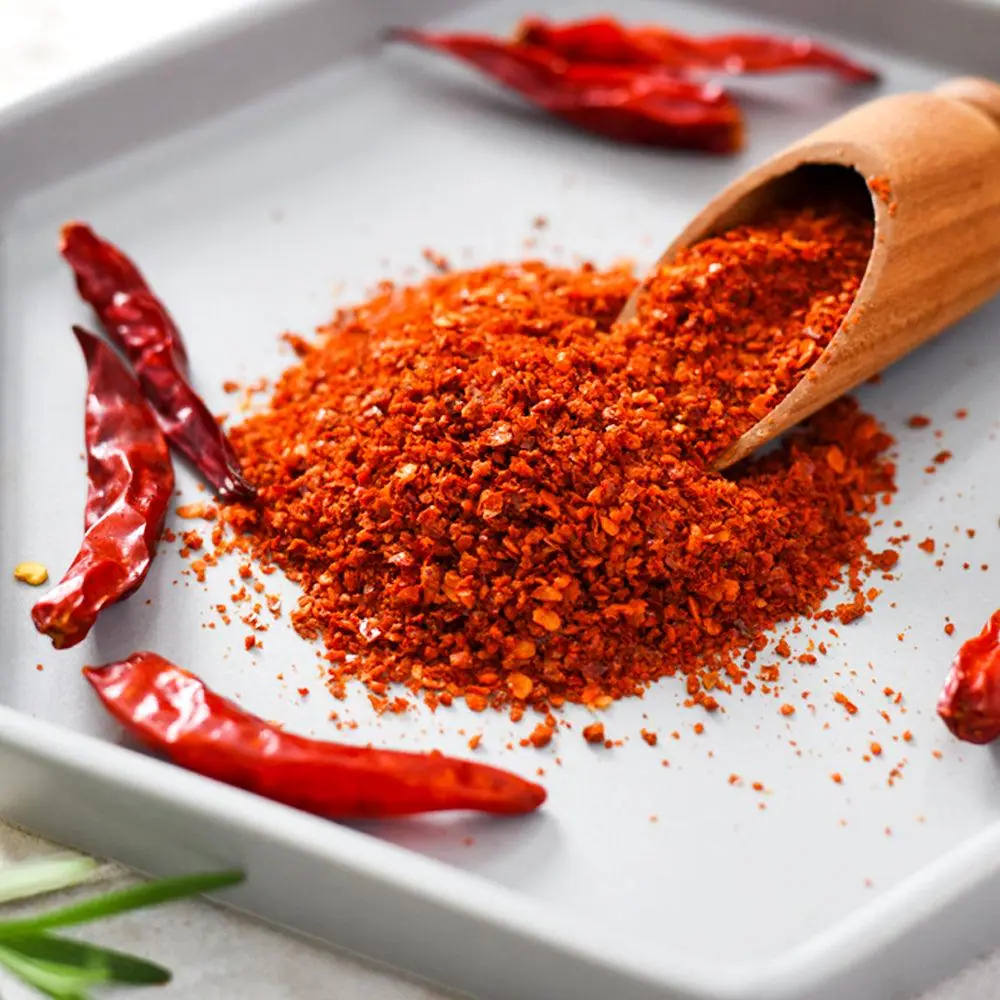
Gochugaru is Korean chili powder made from dried red peppers.
It is one of the most important ingredients in Korean cooking.
It provides:
Gochugaru is essential for:
Sesame Oil

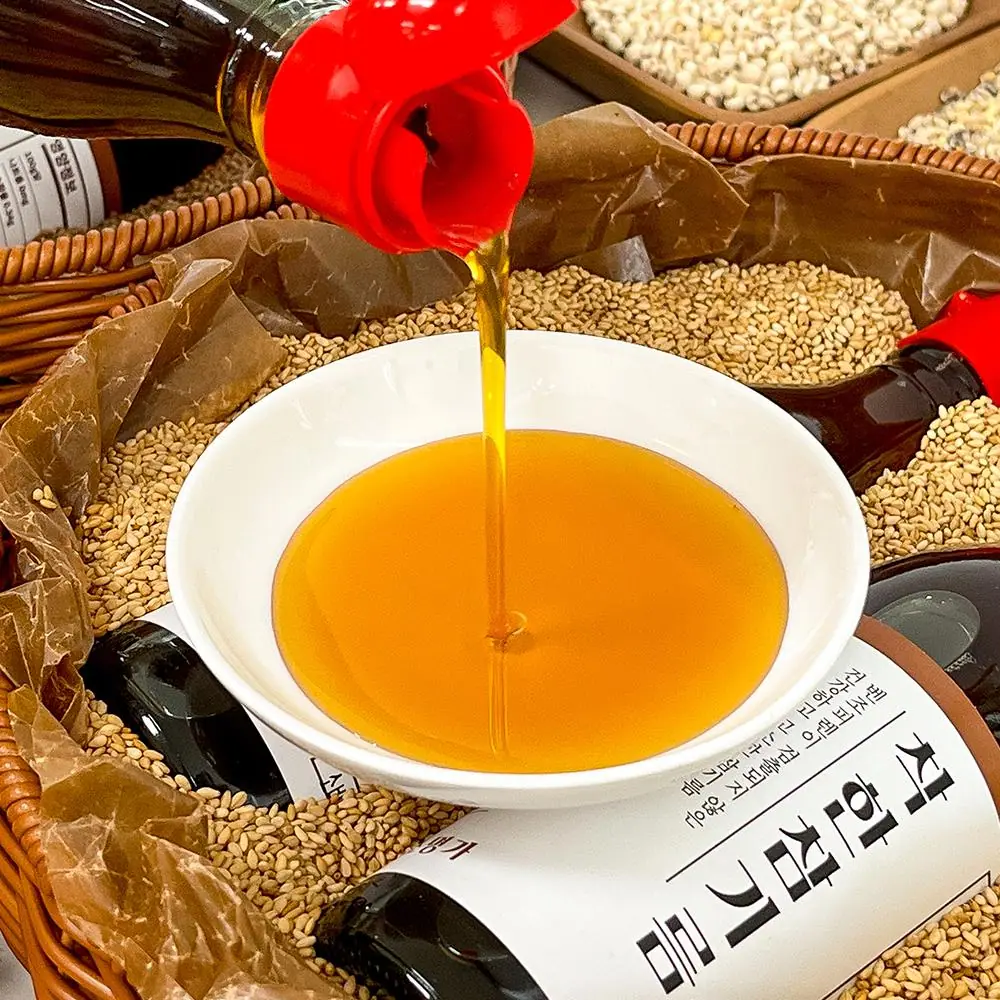
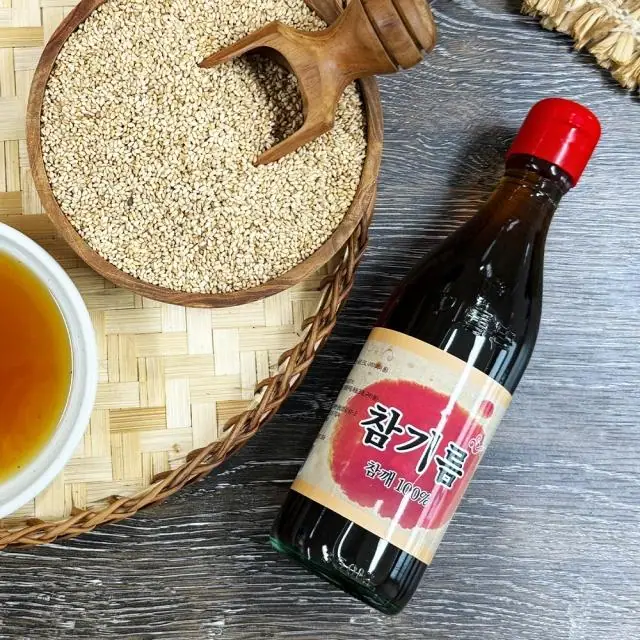
Sesame oil is a key ingredient that adds a rich aroma to Korean dishes.
It is commonly used for:
A small amount of sesame oil can add a deep nutty flavor to Korean food.
Jeotgal (Salted Seafood)
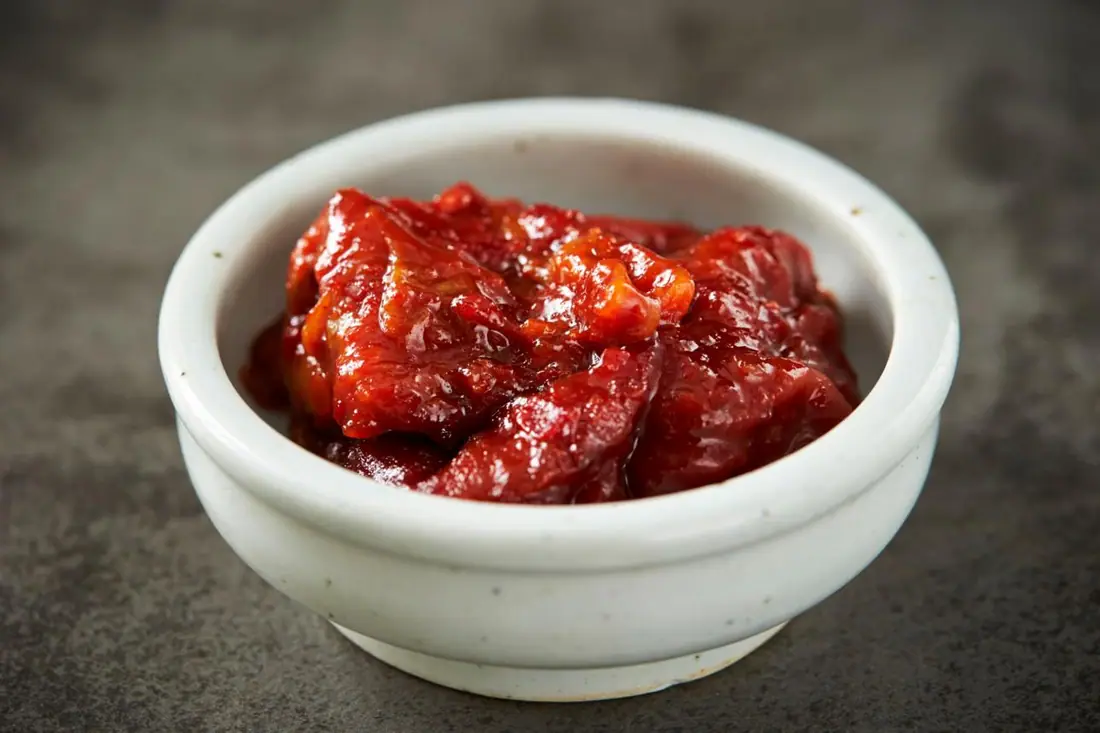
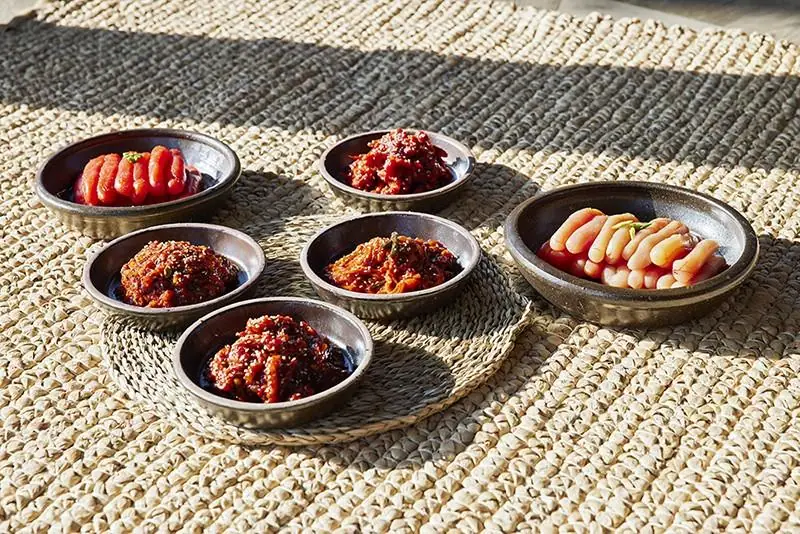
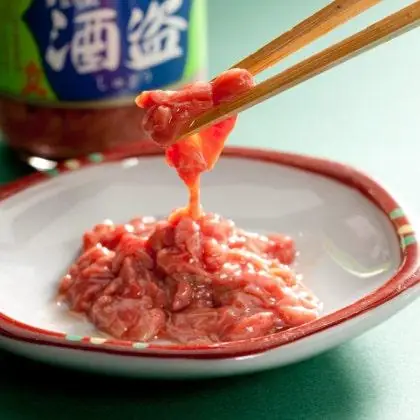
Jeotgal is fermented seafood preserved with salt.
It has been an important ingredient in Korean cuisine for generations.
Common types include:
Jeotgal is used for:
It adds a deep savory taste called umami to Korean food.
Pro Tips
- Traditional ingredients define Korean flavors
- Fermentation is central to Korean cuisine
- Doenjang, Gochujang, and Ganjang form the foundation of Korean sauces
- Soybean products are essential in Korean food culture
- Gochugaru creates Korea’s unique spicy flavor
- Jeotgal adds deep fermented taste to many dishes
Related Guides
Korean Fermentation Culture
Korean fermentation culture represents centuries of knowledge about preserving food and developing deep flavors.
Regional Korean Cuisine
Regional Korean cuisine reflects the geography, history, and lifestyle of each area.
Royal Cuisine & Temple Food
Royal cuisine and temple food represent two important traditions of Korean cuisine.
Ask AI About This Topic
Have a question about Korean Traditional Ingredients?
Get instant, locally-checked answers from the ASK KOREA AI. Ask anything from specific edge cases to itinerary decisions.
"Tell me more about korean traditional ingredients and how to experience it in Korea."
ASK KOREA Transit