Kimchi Culture & Guide
Kimchi is more than a Korean side dish. It represents Korea’s history, fermentation knowledge, seasonal lifestyle, and community values.
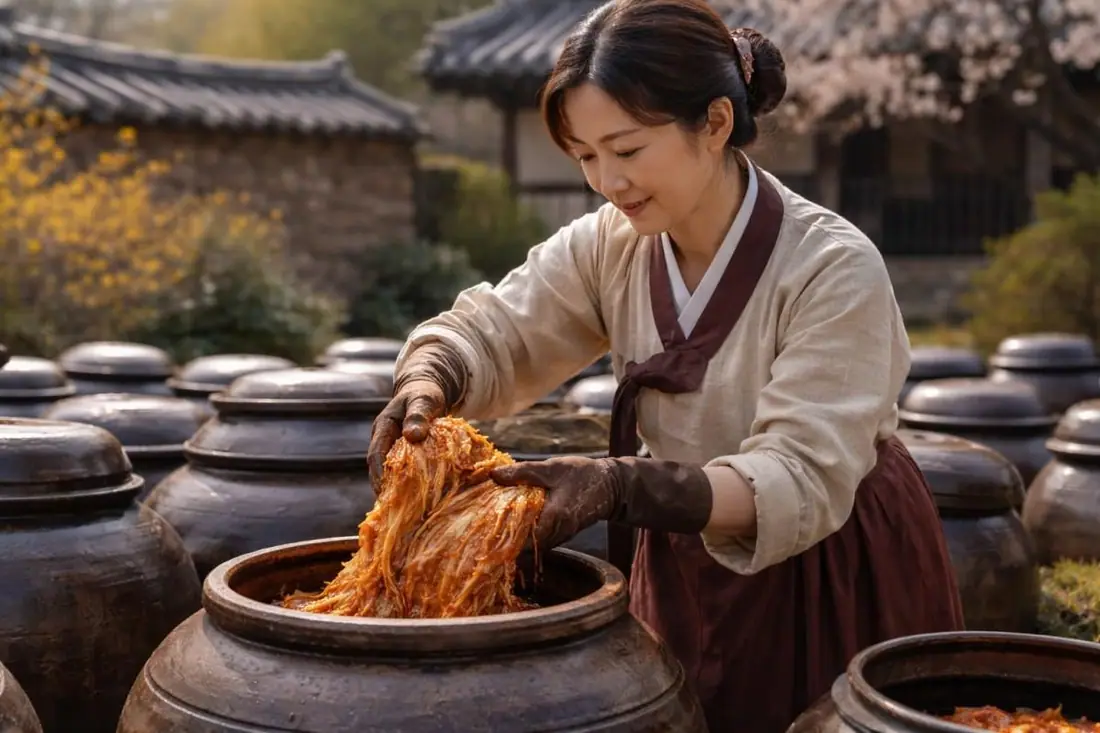
Quick Summary
Kimchi is more than a Korean side dish. It represents Korea’s history, fermentation knowledge, seasonal lifestyle, and community values.
Key takeaways
- From Kimjang traditions to regional varieties, kimchi provides one of the best ways to understand Korean culture through food.
The Complete Guide
History of Kimchi
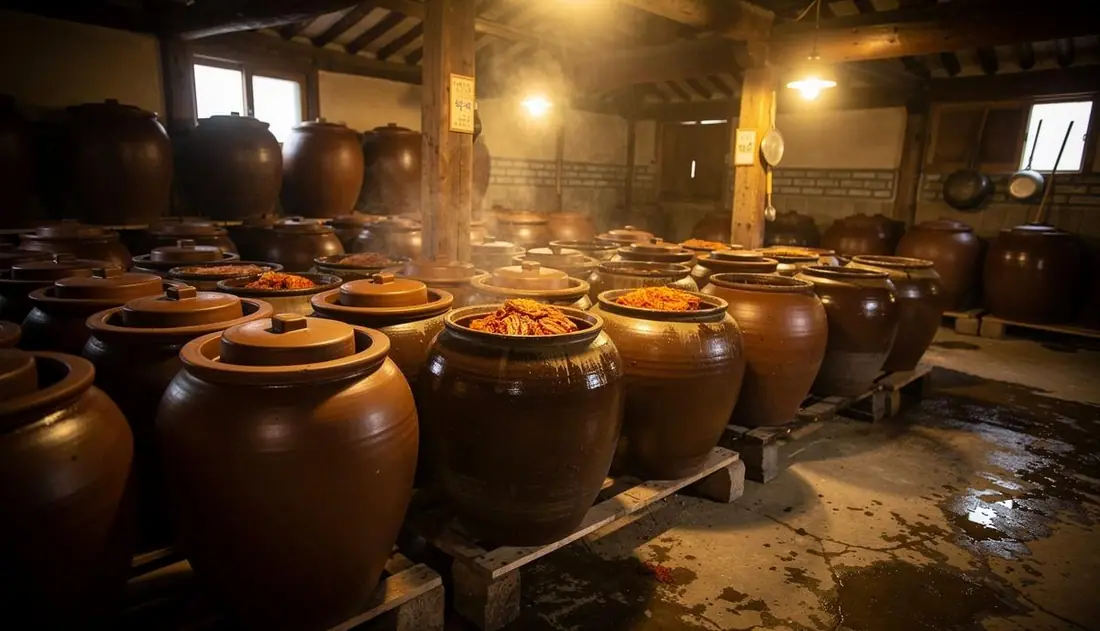
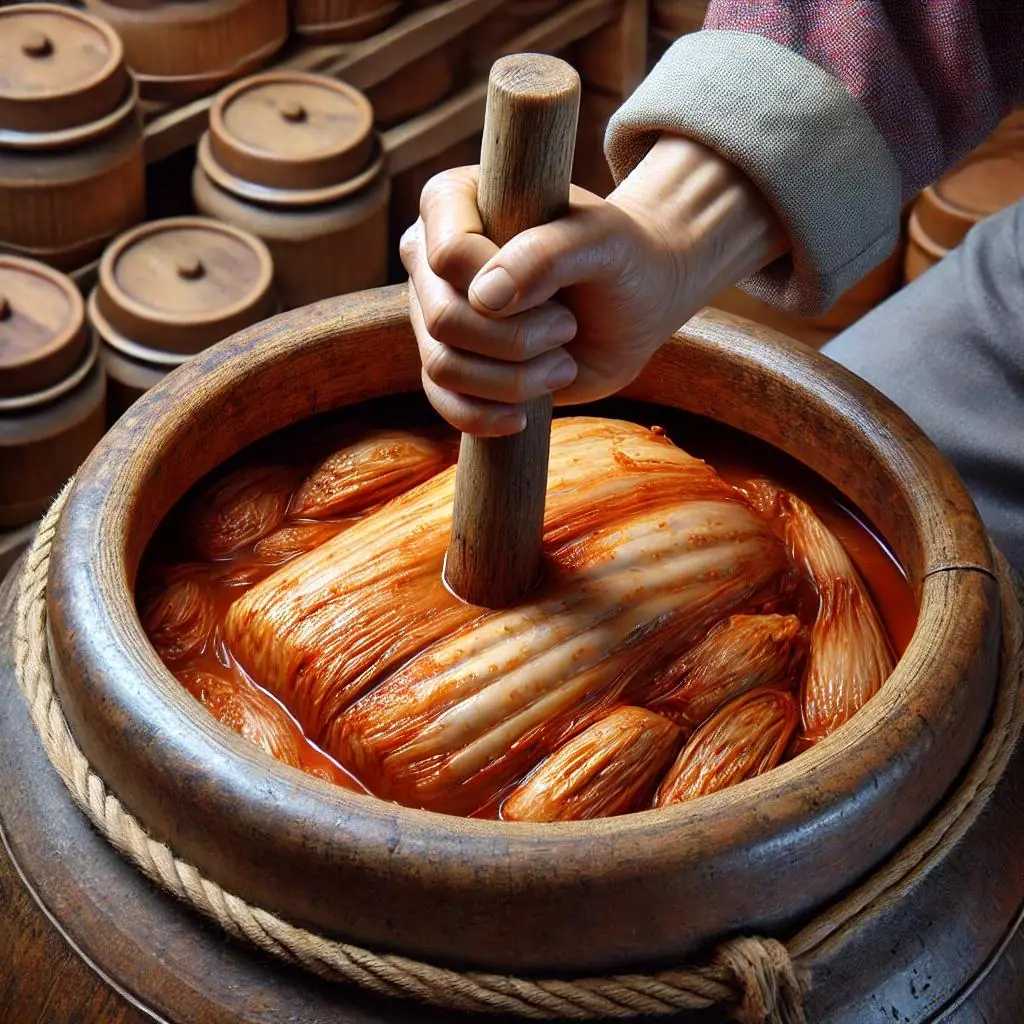
Kimchi is one of the most important symbols of Korean cuisine and culture.
Although kimchi is often introduced as a spicy Korean side dish, it is much more than food. Kimchi represents Korea’s history, seasonal lifestyle, agricultural traditions, and knowledge of fermentation.
For thousands of years, Koreans developed methods to preserve vegetables during seasonal changes, especially during the cold winter months.
Kimchi developed through:
Today, kimchi is enjoyed worldwide and has become one of the most recognizable symbols of Korea.
Kimjang Culture
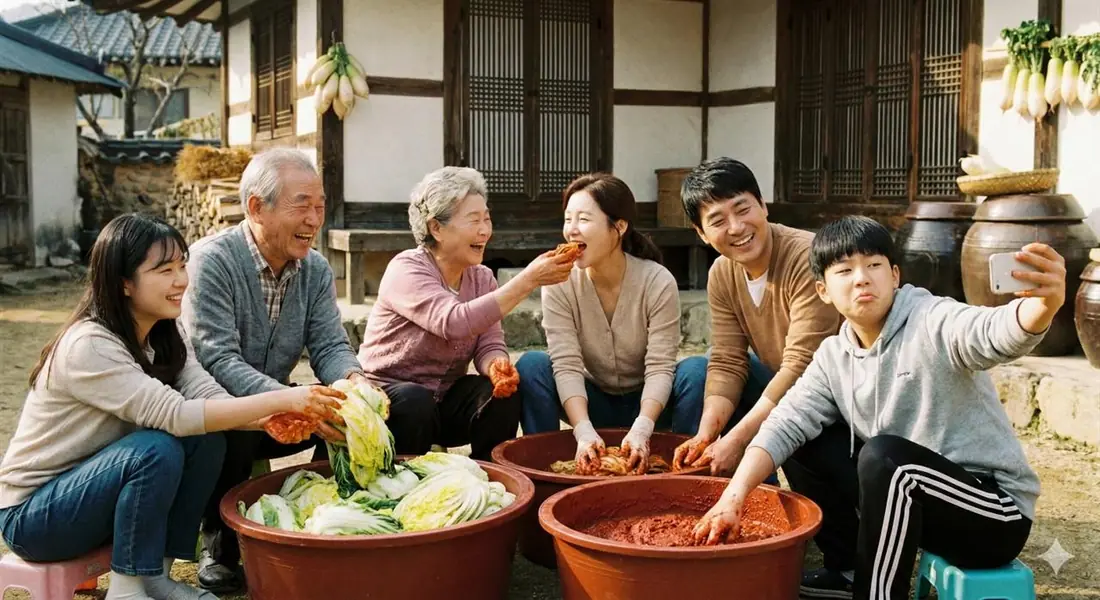
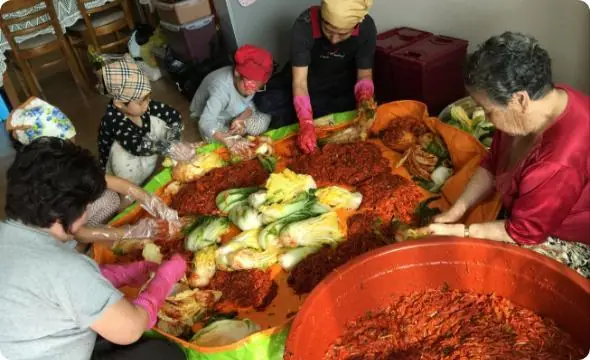
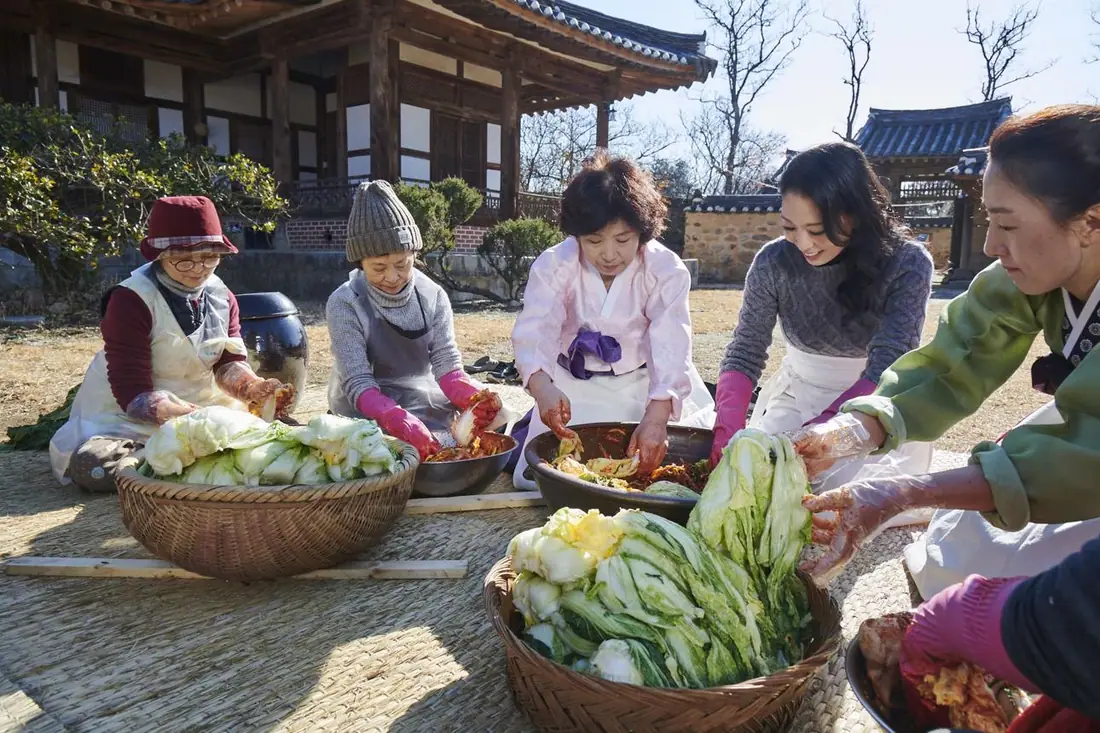
Kimjang is the traditional Korean practice of making and sharing large amounts of kimchi before winter.
Traditionally, families and communities gathered together to prepare kimchi for the cold season.
Kimjang represents more than food preparation. It reflects:
During Kimjang, people work together to prepare vegetables, make seasoning, and store kimchi for long-term use.
The Kimjang Process
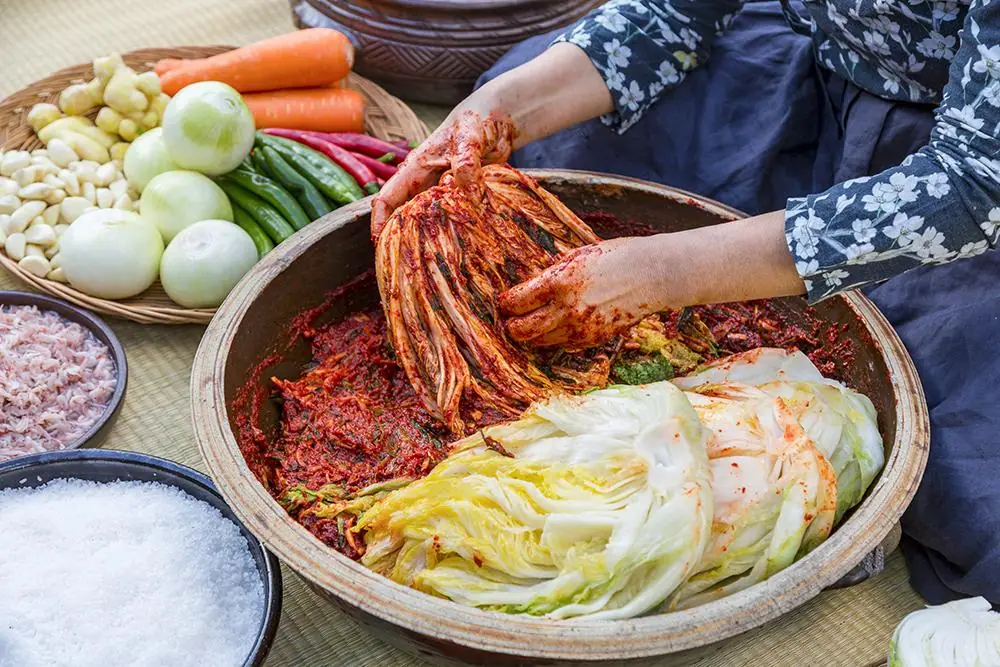
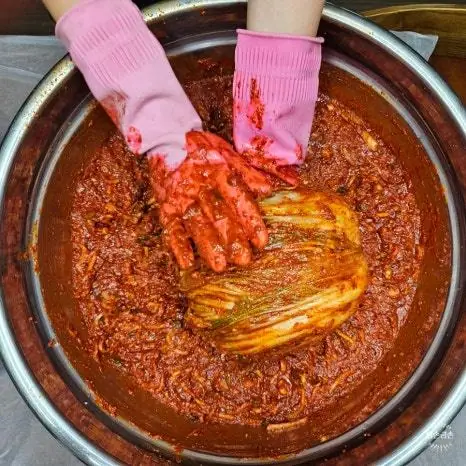
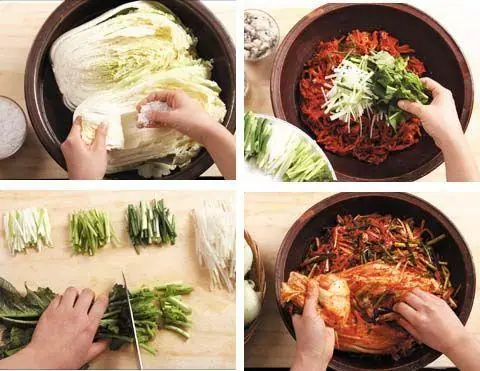
Traditional kimjang includes several important steps.
Preparing Vegetables
The main ingredient, usually napa cabbage, is cleaned and salted.
Making Kimchi Seasoning
Common ingredients include:
Mixing and Fermentation
The seasoning is carefully mixed with vegetables and stored for fermentation.
The fermentation process creates kimchi’s unique flavor and nutritional characteristics.
UNESCO Recognition
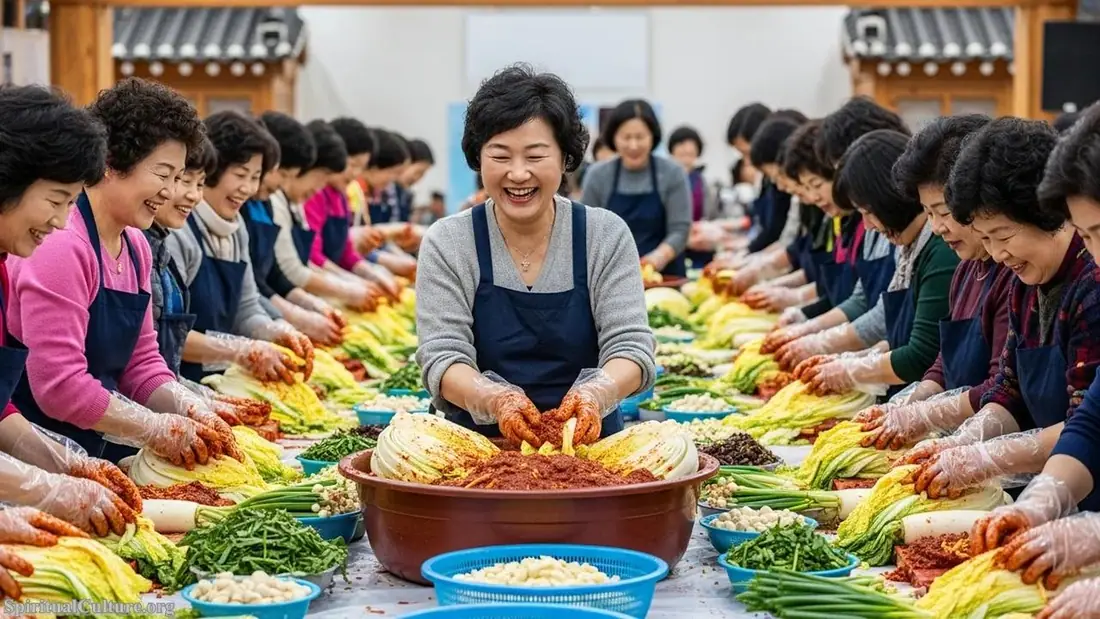
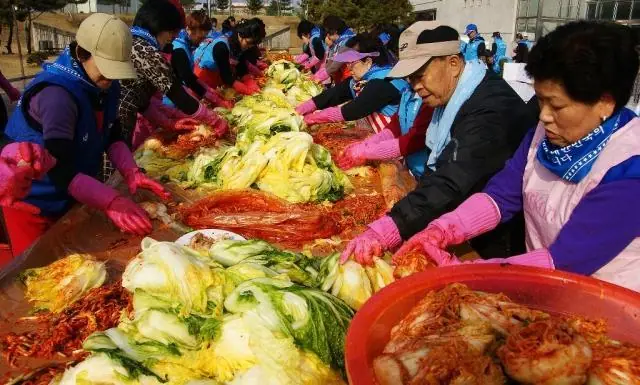
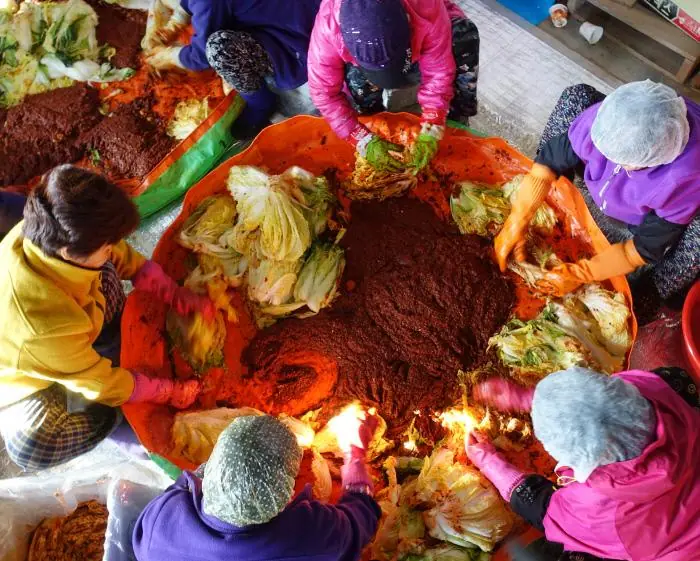
In 2013, Kimjang: Making and Sharing Kimchi in the Republic of Korea was inscribed on the UNESCO Representative List of the Intangible Cultural Heritage of Humanity.
UNESCO recognized Kimjang because it represents:
Kimjang shows that kimchi is not only a food but also a cultural activity that connects people.
Types of Kimchi
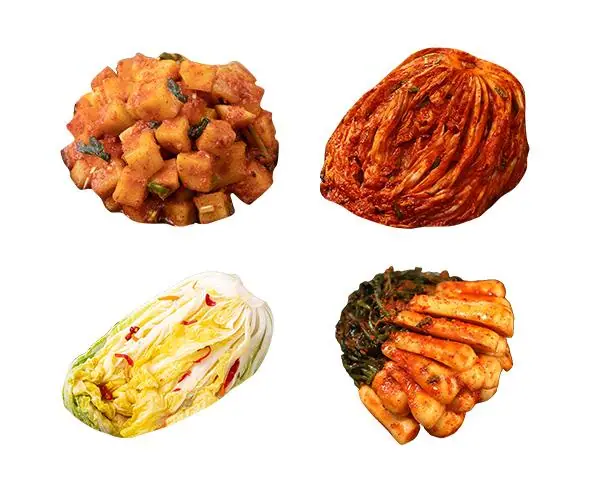
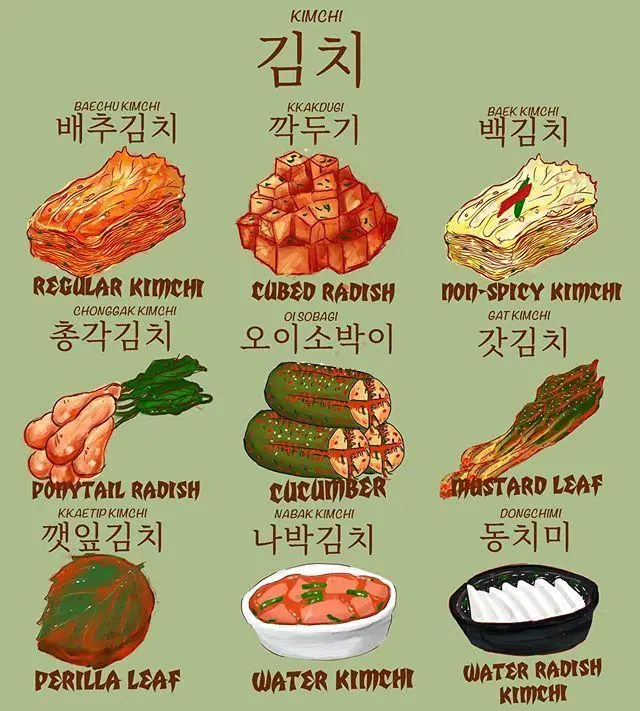
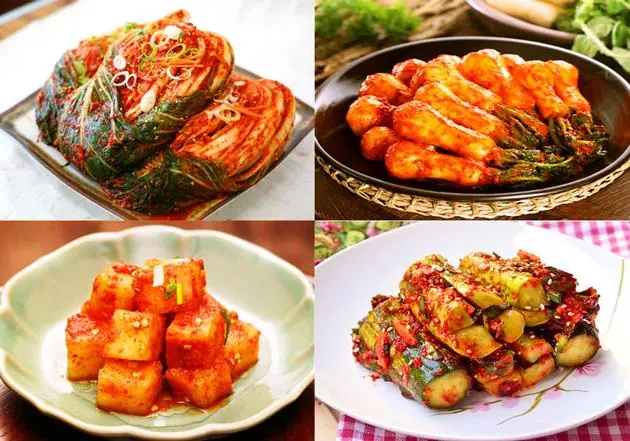
Korea has hundreds of kimchi varieties.
Different regions developed their own styles based on:
Baechu Kimchi (Napa Cabbage Kimchi)
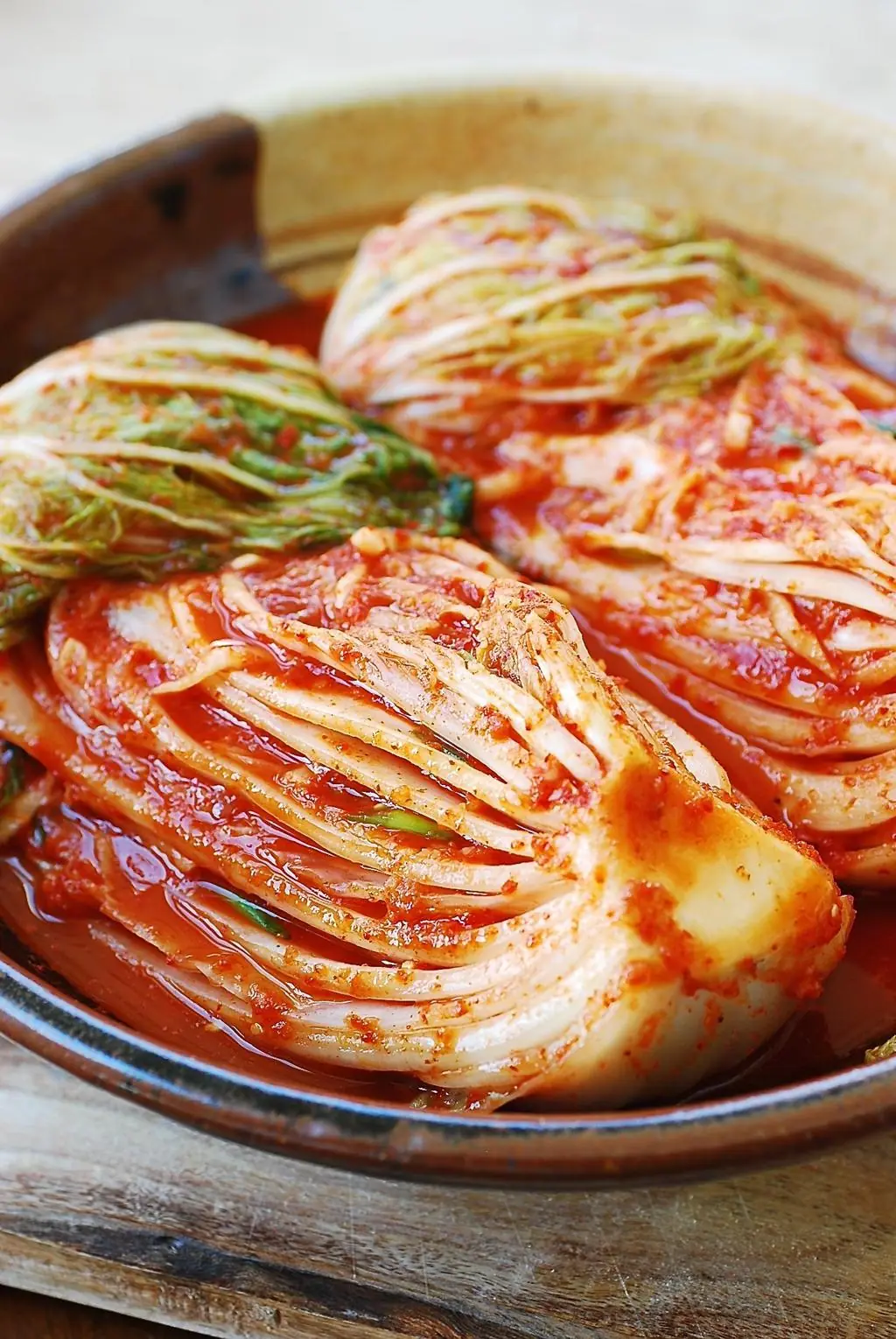
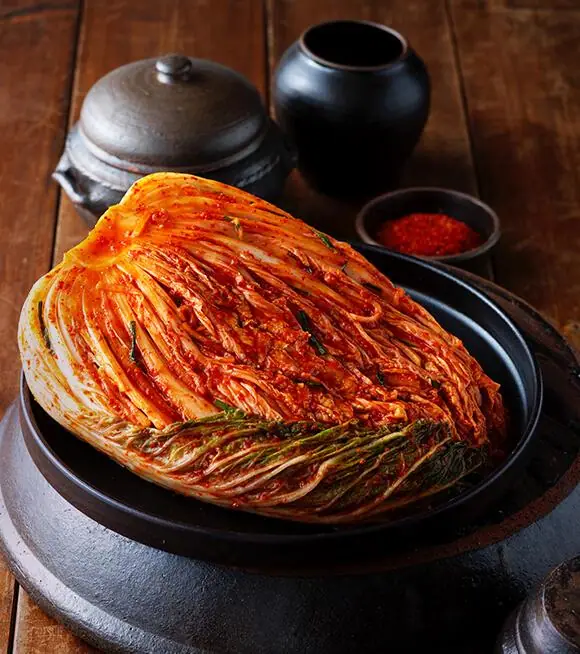
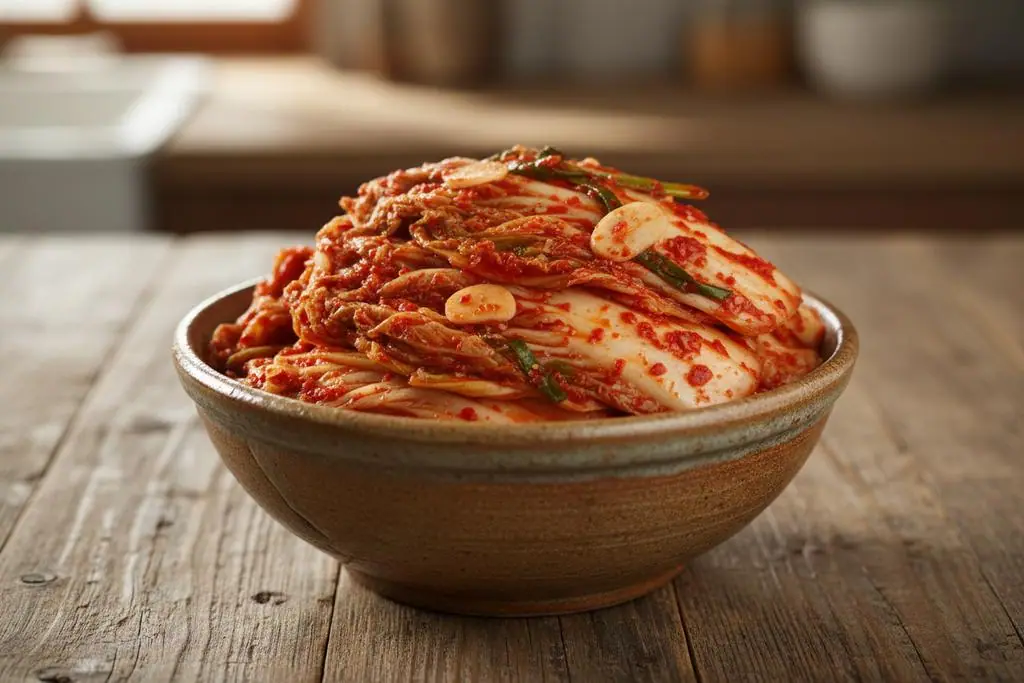
Baechu Kimchi is the most famous type of kimchi worldwide.
Main ingredients:
It is the most common kimchi served with everyday Korean meals.
Kkakdugi (Radish Kimchi)
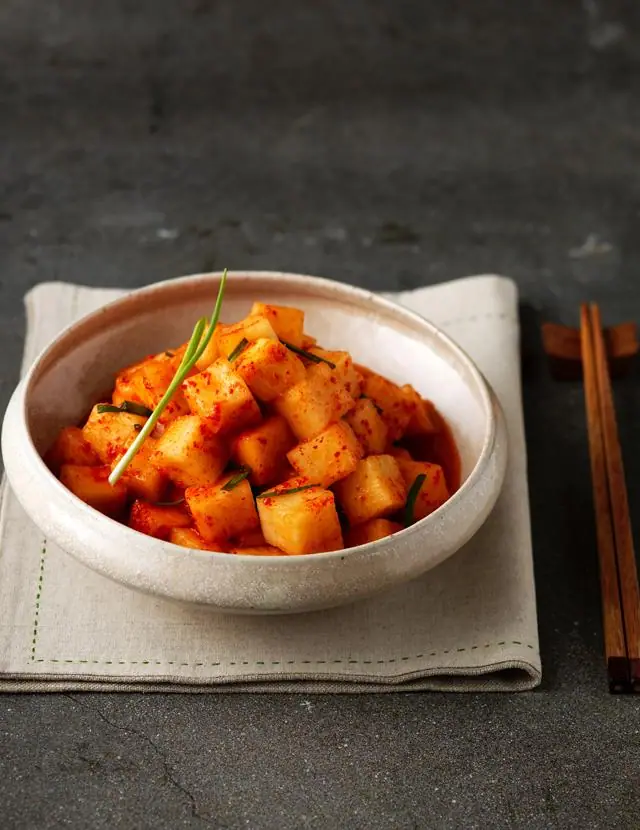
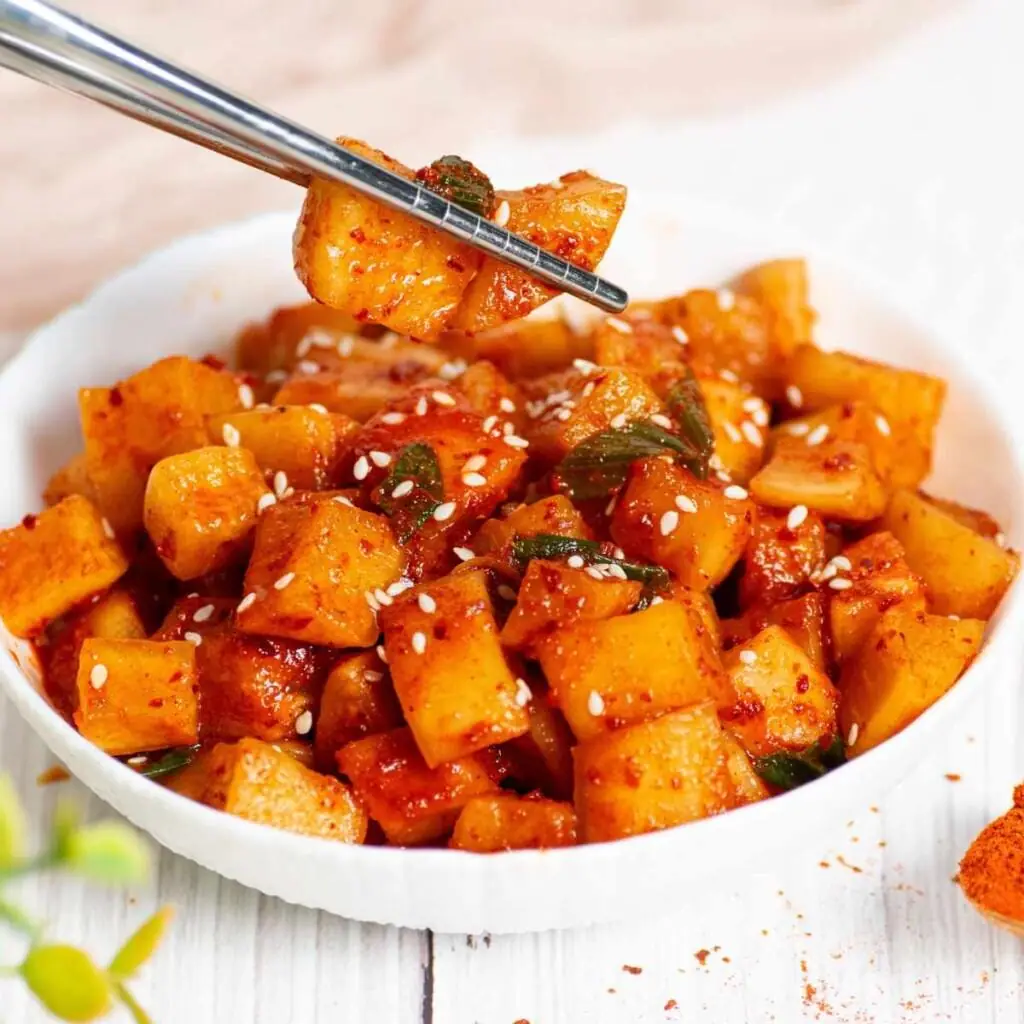

Kkakdugi is made with Korean radish cut into cubes.
Characteristics:
It is especially popular with Korean soups such as:
Oi Sobagi (Cucumber Kimchi)
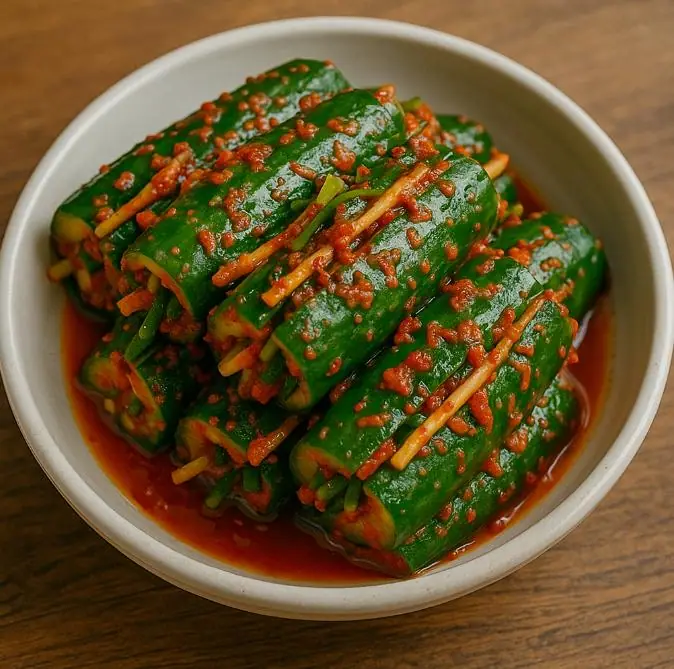
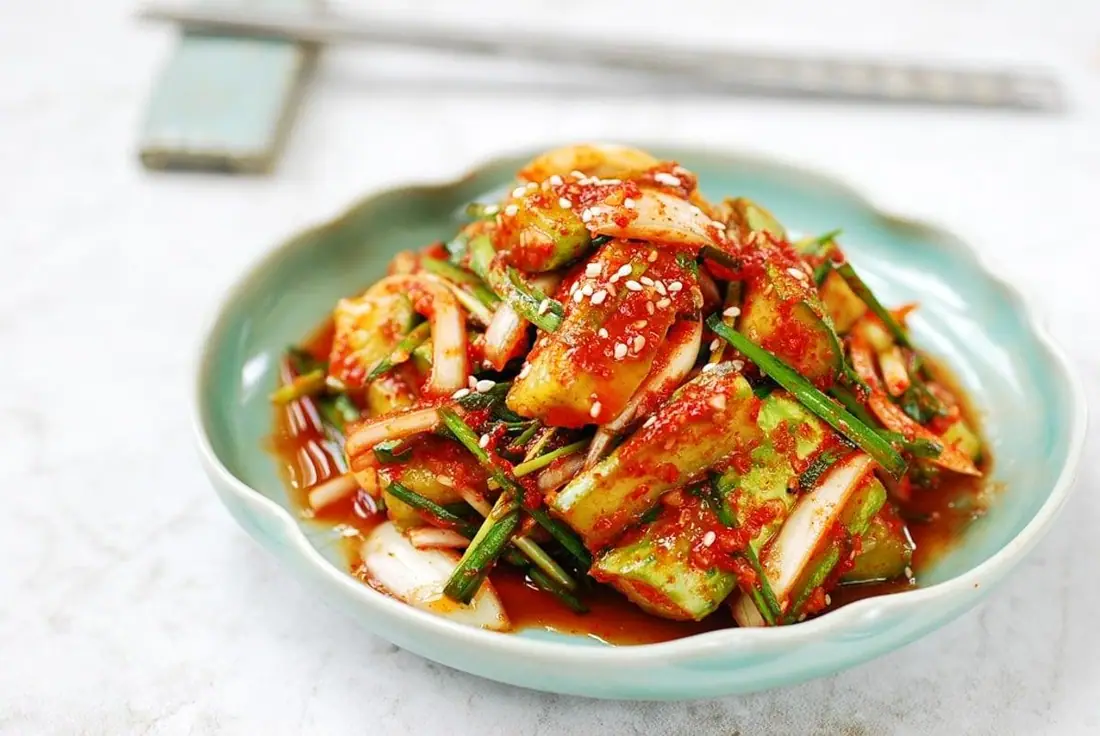
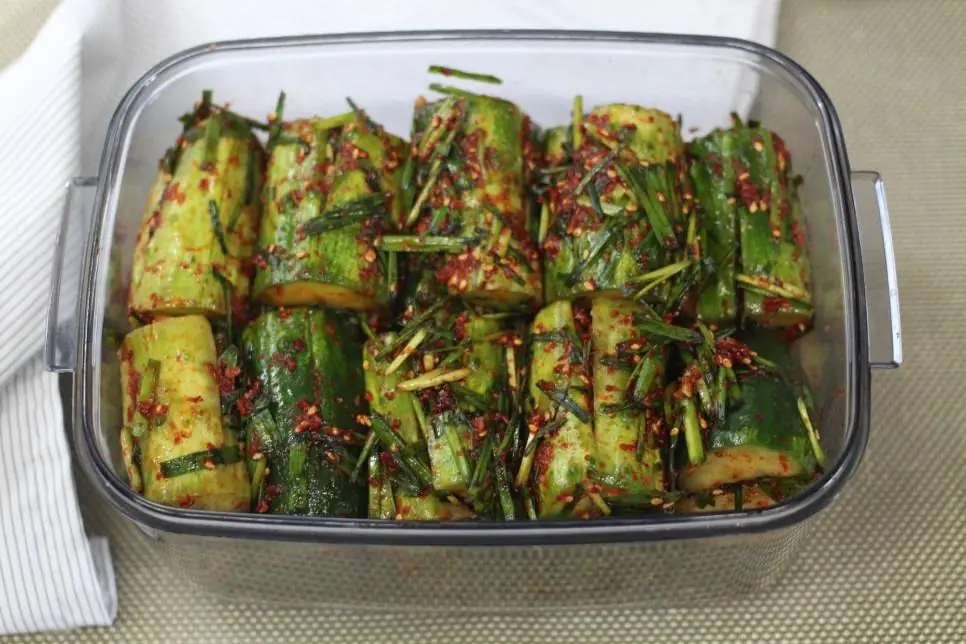
Oi Sobagi is a refreshing cucumber kimchi.
Characteristics:
It is a good introduction to kimchi for people who prefer lighter flavors.
Baek Kimchi (White Kimchi)
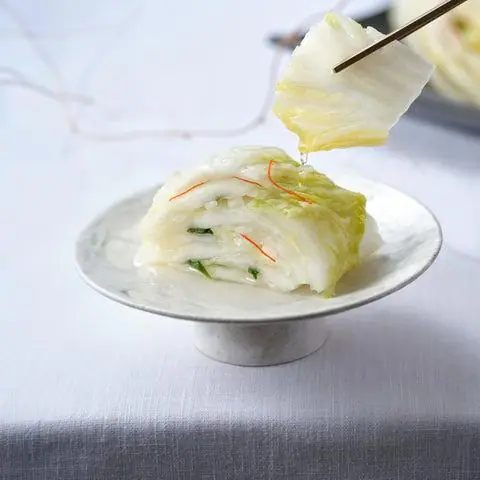
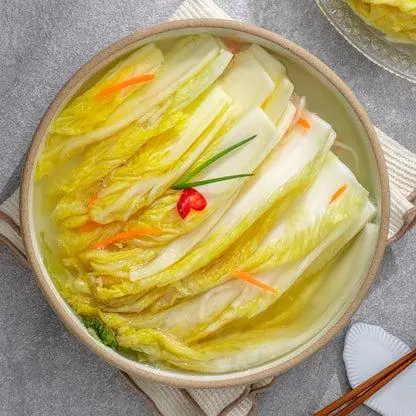
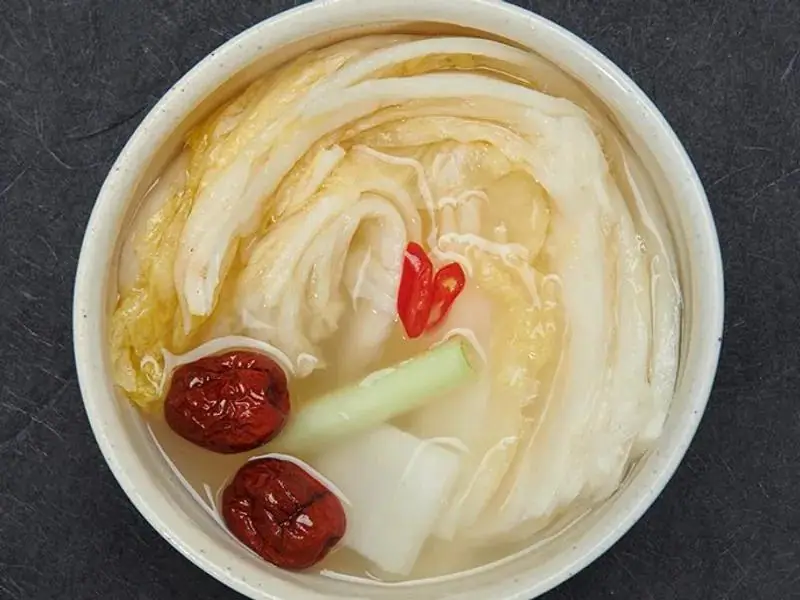
Baek Kimchi is a mild kimchi made without red chili powder.
Characteristics:
It is popular among children and people who prefer non-spicy foods.
Gat Kimchi (Mustard Leaf Kimchi)
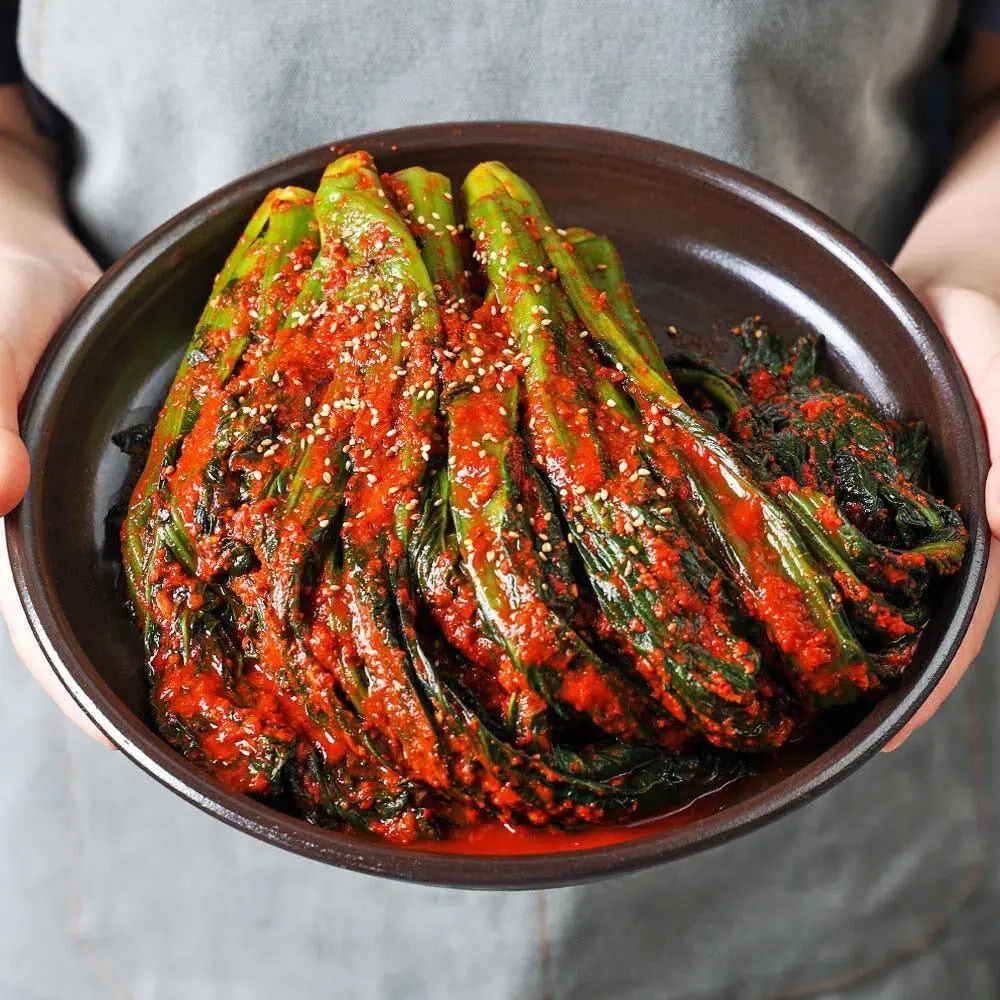
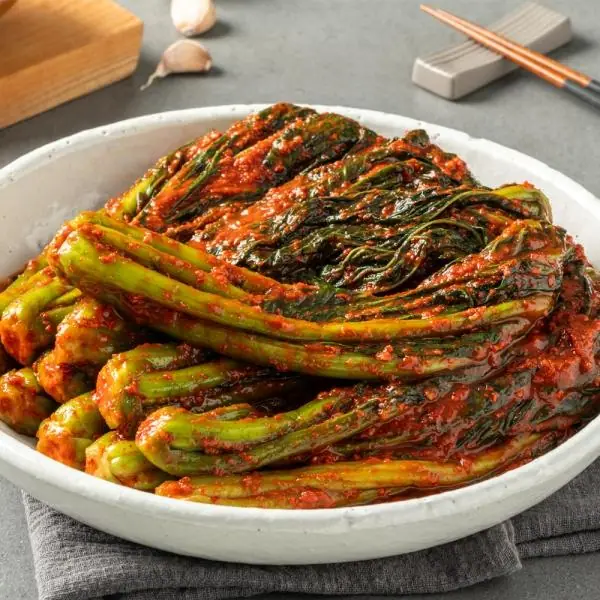
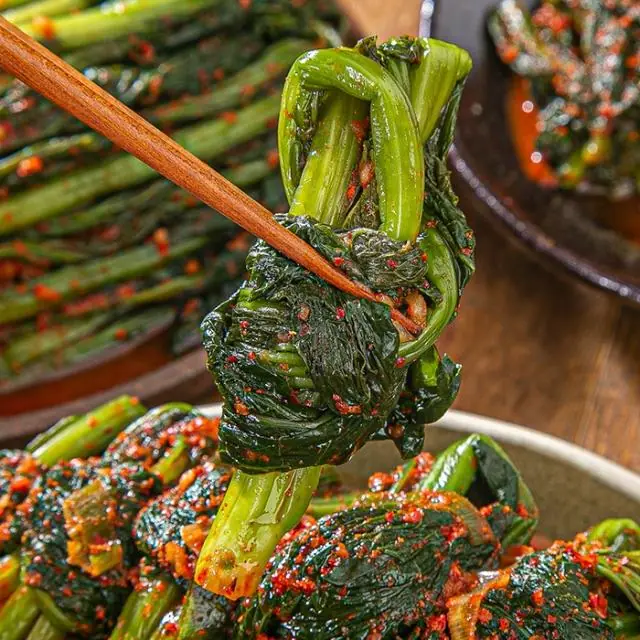
Gat Kimchi is a regional specialty, especially associated with Jeolla Province.
Characteristics:
It shows how different regions of Korea developed their own kimchi traditions.
Pro Tips
- Kimchi is the symbol of Korean cuisine
- Kimjang represents Korean community culture
- UNESCO recognized Kimjang as cultural heritage
- Korea has hundreds of kimchi varieties
- Each region has unique kimchi traditions
- Fermentation is the key to kimchi’s unique flavor
Related Guides
Korean Traditional Ingredients
Korean traditional ingredients are the foundation of Hansik.
Korean Fermentation Culture
Korean fermentation culture represents centuries of knowledge about preserving food and developing deep flavors.
Regional Korean Cuisine
Regional Korean cuisine reflects the geography, history, and lifestyle of each area.
Ask AI About This Topic
Have a question about Kimchi Culture & Guide?
Get instant, locally-checked answers from the ASK KOREA AI. Ask anything from specific edge cases to itinerary decisions.
"Tell me more about kimchi culture & guide and how to experience it in Korea."
ASK KOREA Transit