Korean Food Culture
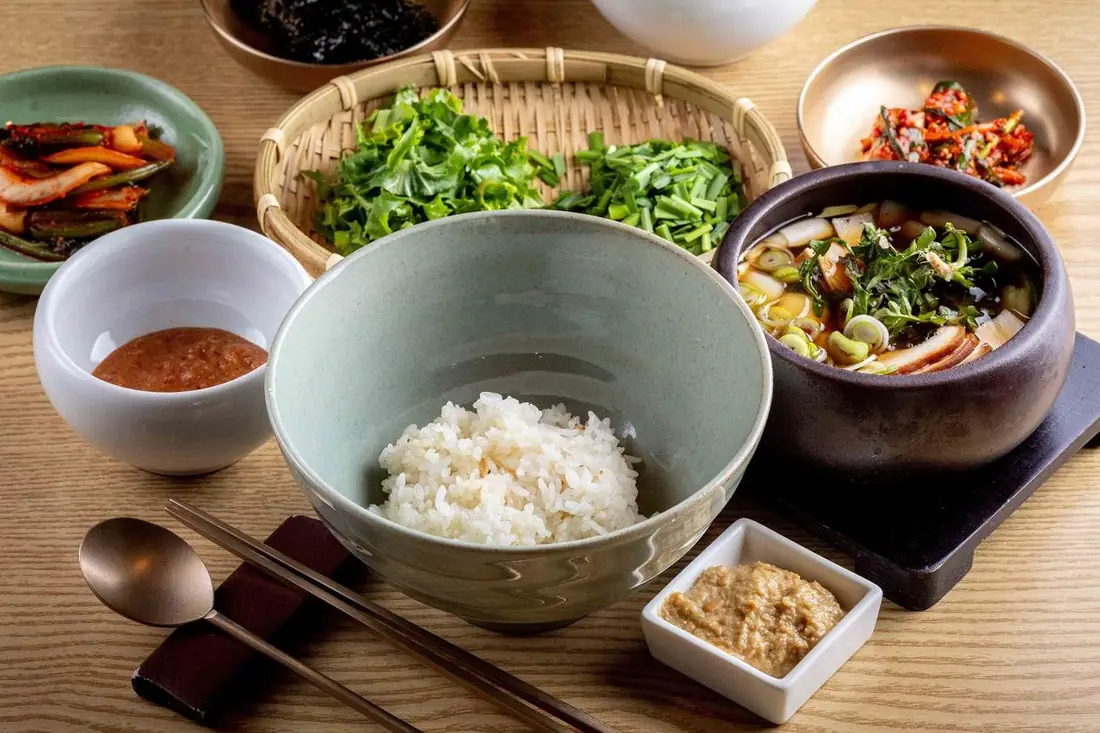
Korean food culture is built around rice, shared side dishes, seasonal ingredients, and community dining.
Quick Summary
Korean food culture is built around rice, shared side dishes, seasonal ingredients, and community dining.
Key takeaways
- Understanding these traditions helps visitors experience Korean cuisine beyond taste and discover the values behind Korean meals.
The Complete Guide
Rice Culture
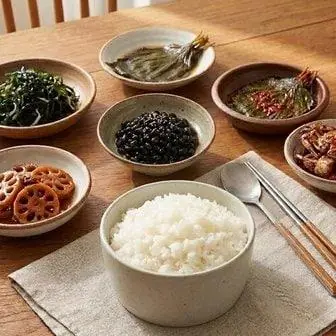
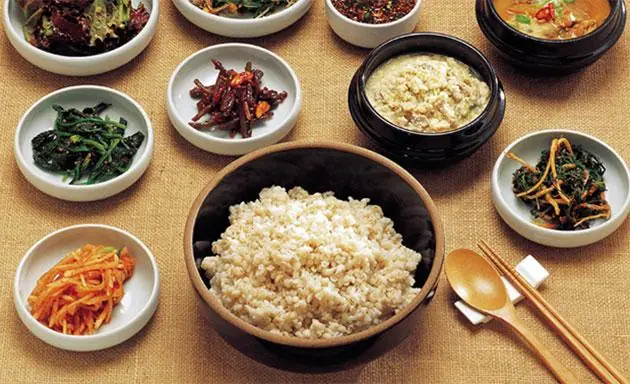
Rice, known as Bap, is the foundation of Korean cuisine and has been the center of Korean meals for thousands of years.
For Koreans, rice is more than a basic food. It represents:
A typical Korean meal is often built around:
The expression "Have you eaten?" has traditionally been used as a way of showing care and concern for others.
Types of Korean Rice
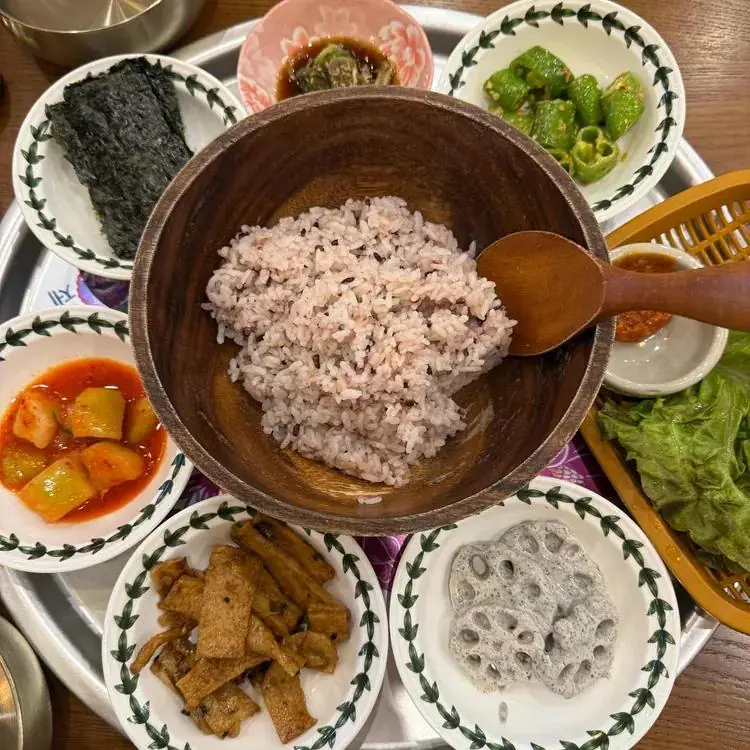
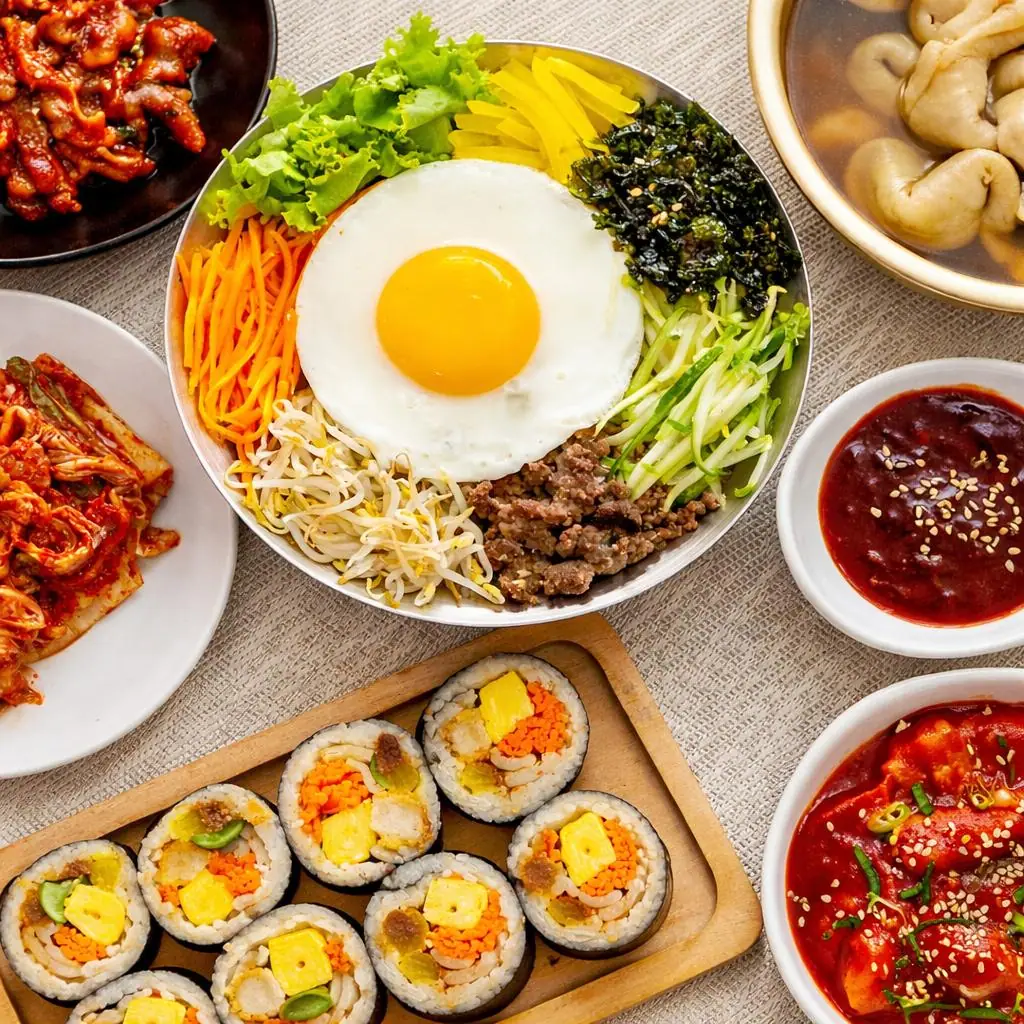
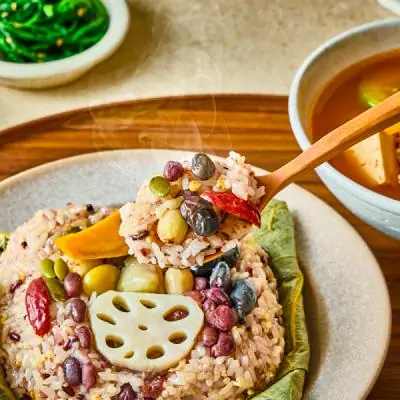
Korean rice culture includes many different styles and dishes.
White Rice (Bap)
The most common type of rice served with everyday Korean meals.
Multigrain Rice (Japgokbap)
Rice mixed with grains such as:
It is valued for nutrition and traditional health benefits.
Rice-Based Dishes
Korean cuisine also includes many dishes based on rice:
Banchan Culture (Korean Side Dishes)
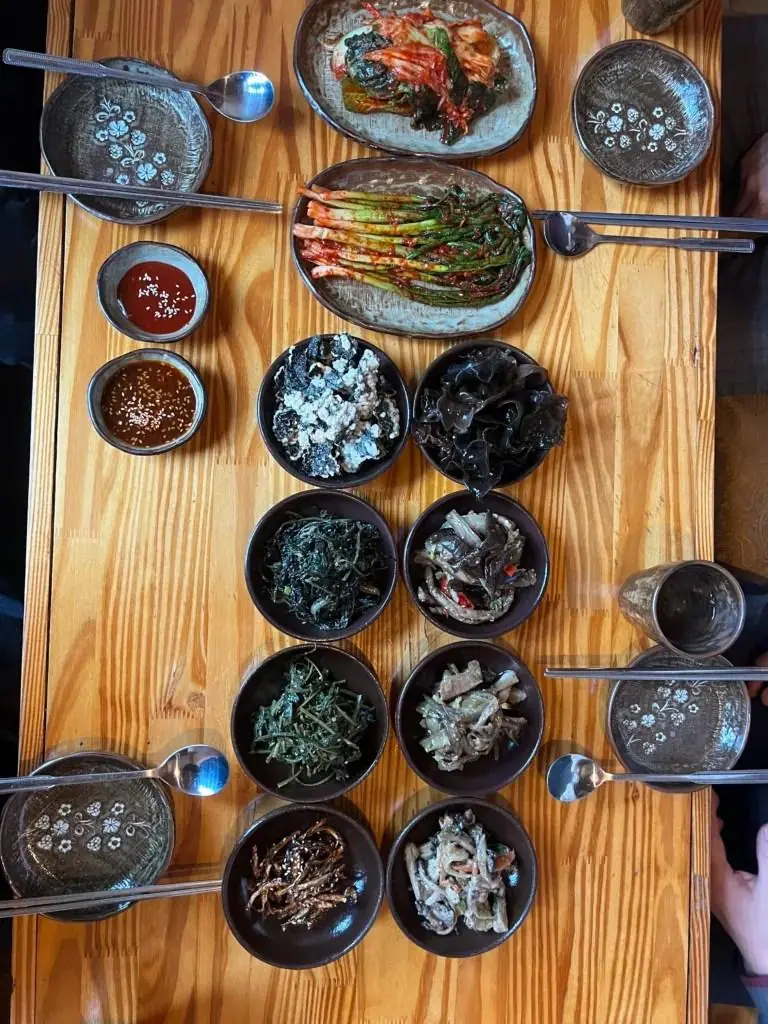
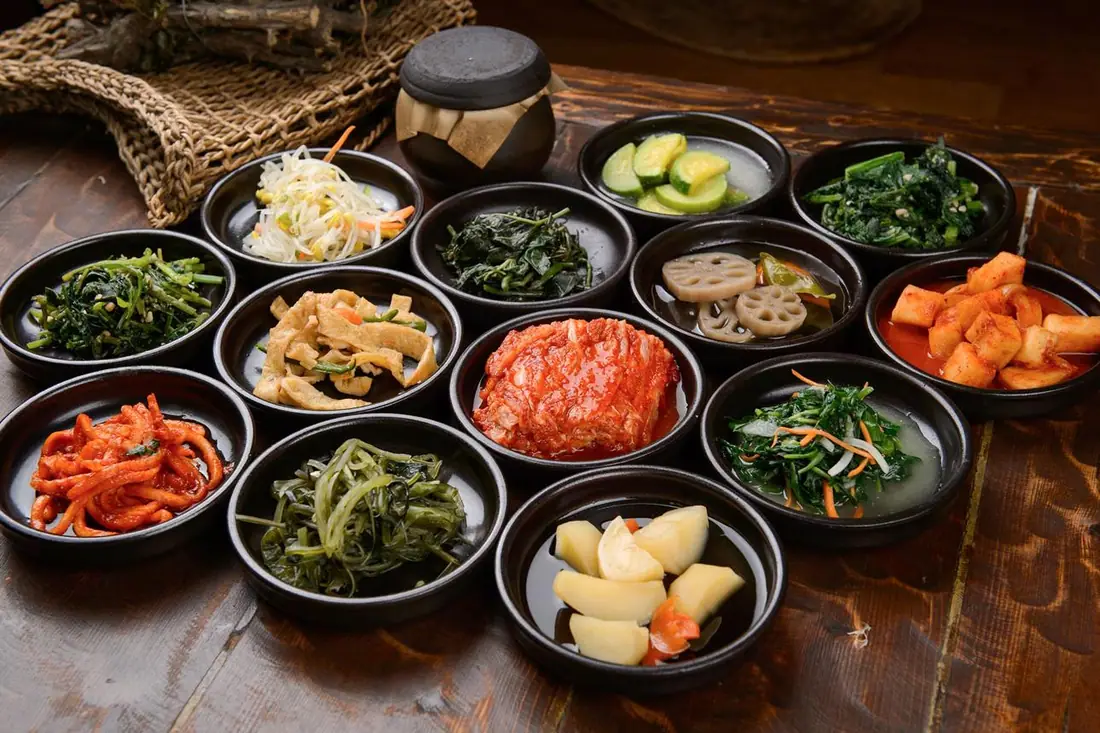
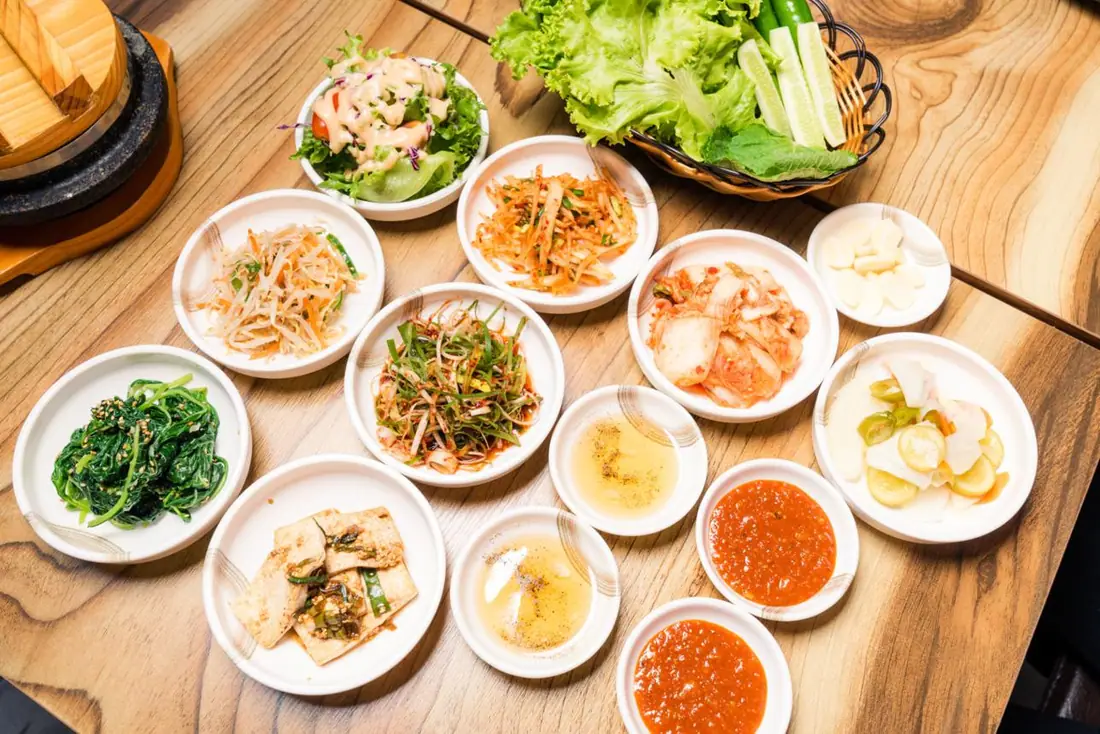
Banchan refers to the small side dishes served with Korean meals.
A traditional Korean table may include many different types of banchan, creating variety in taste, color, and nutrition.
Common banchan include:
Why Is Banchan Important?
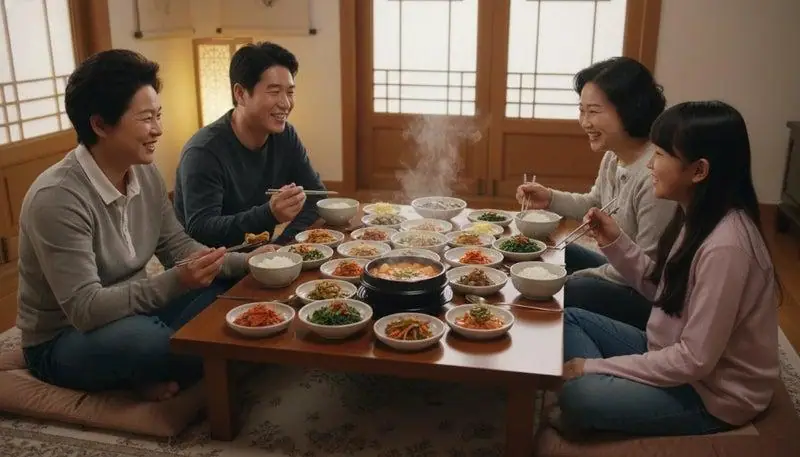
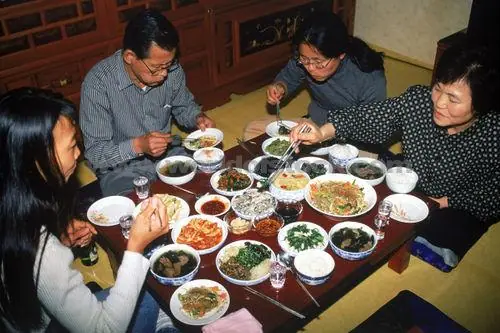
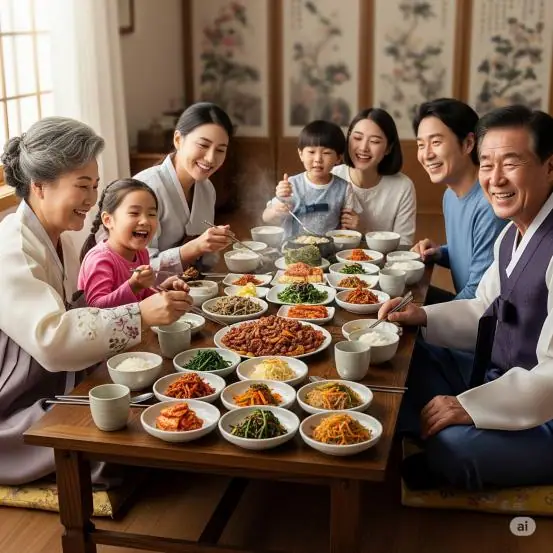
Banchan represents the Korean culture of sharing food.
Instead of one large individual dish, Korean meals often provide many smaller dishes that everyone at the table can enjoy together.
Banchan creates:
Dining Culture
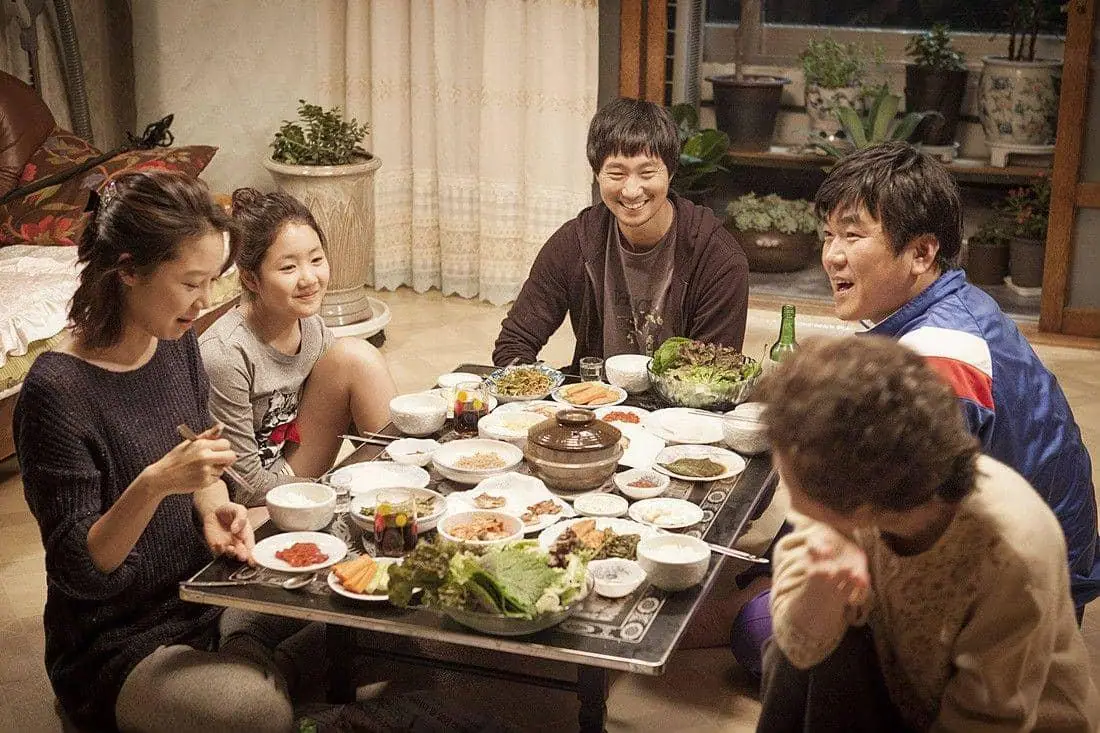
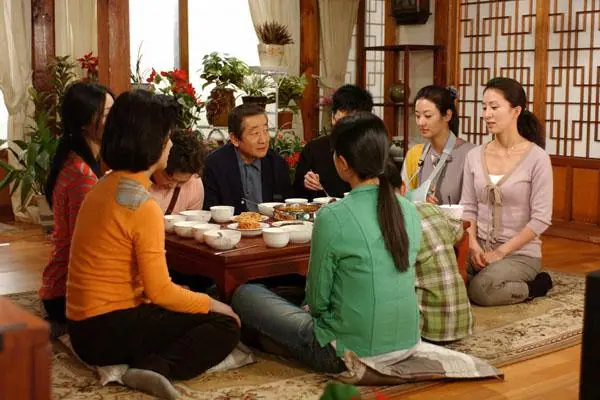
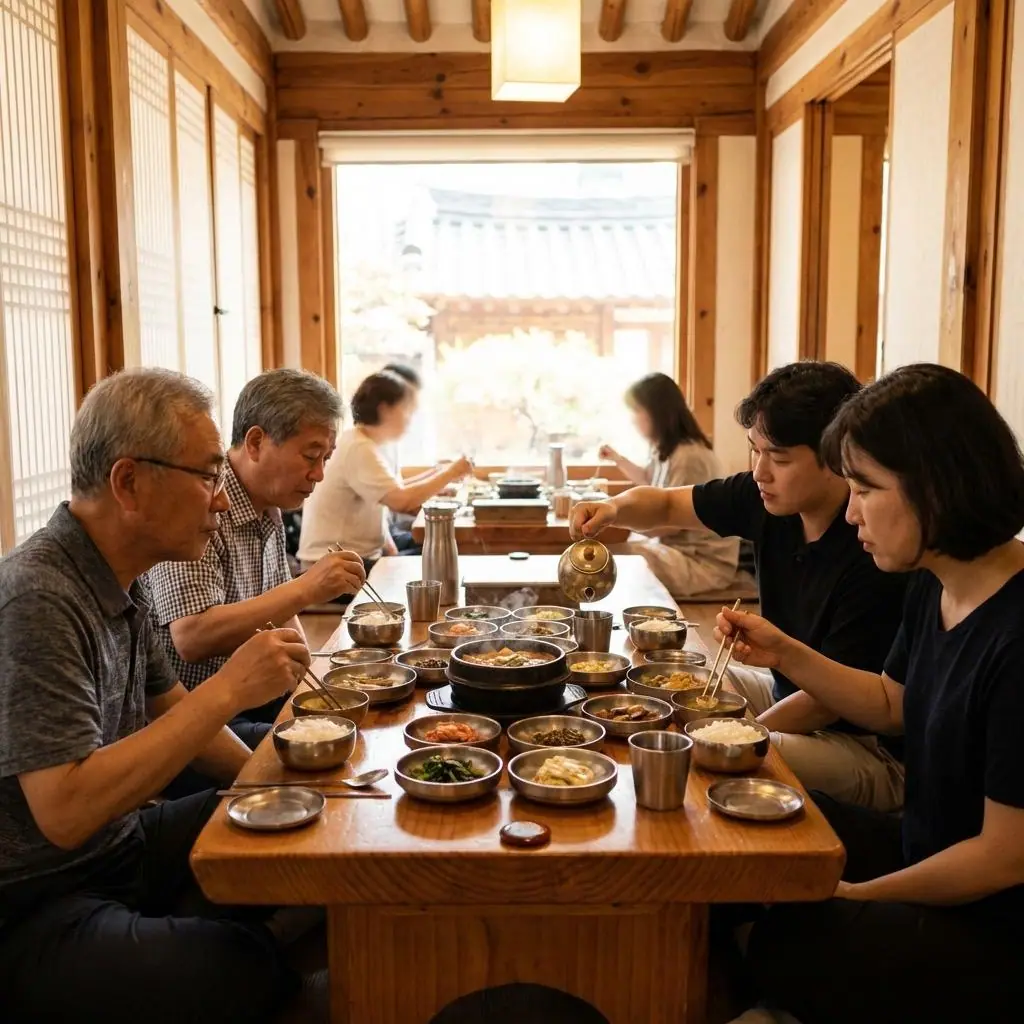
Korean dining culture is closely connected to relationships and respect.
Meals are often a time for:
Traditional Korean meals emphasize eating together rather than eating separately.
Korean Table Setting
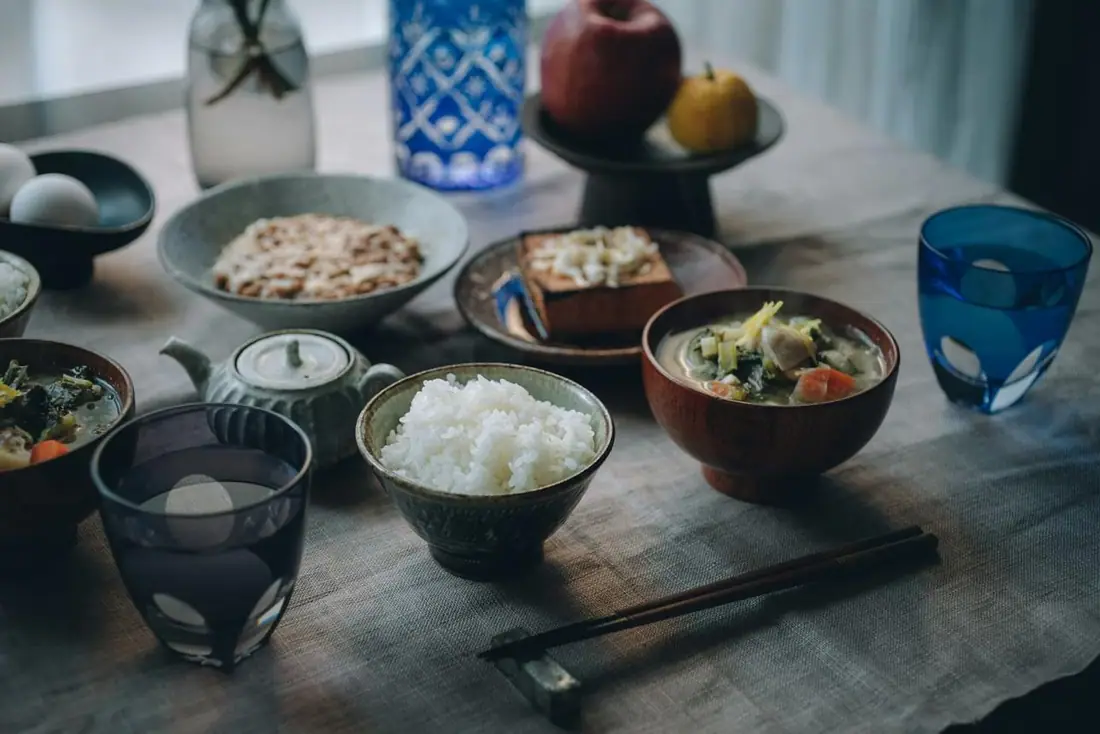
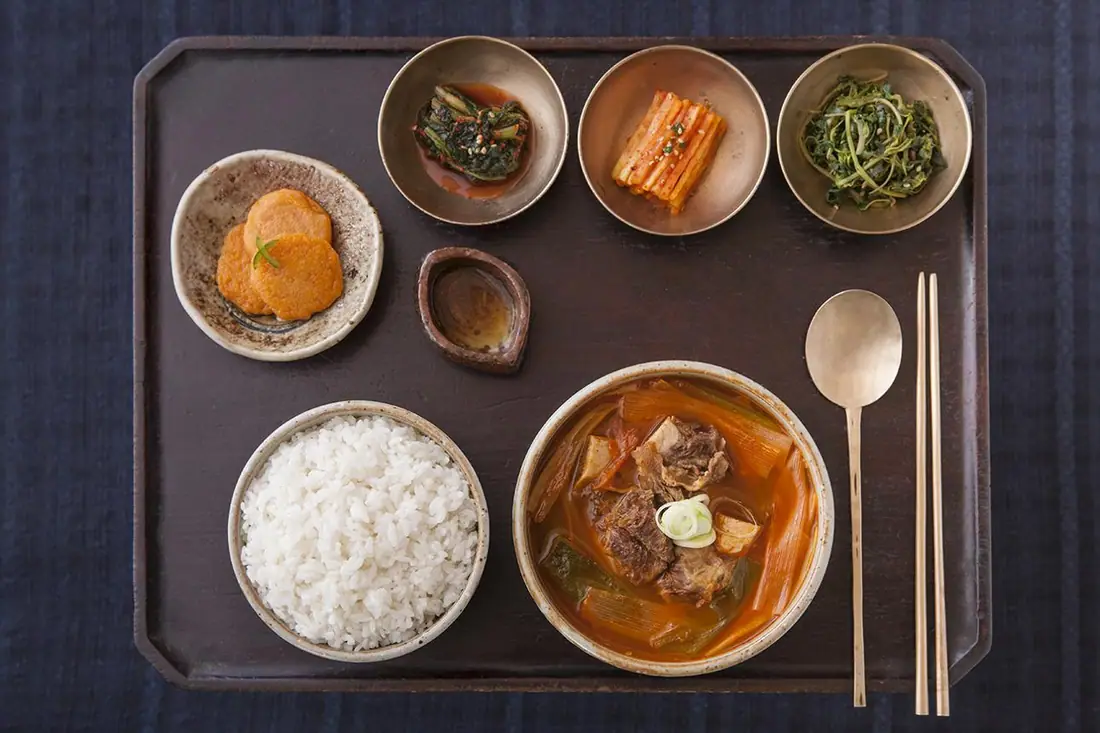
A traditional Korean meal usually includes:
Individual Items
Each person receives:
Shared Dishes
The center of the table usually contains:
Korean dining reflects the idea that food brings people together.
Seasonal Food Culture
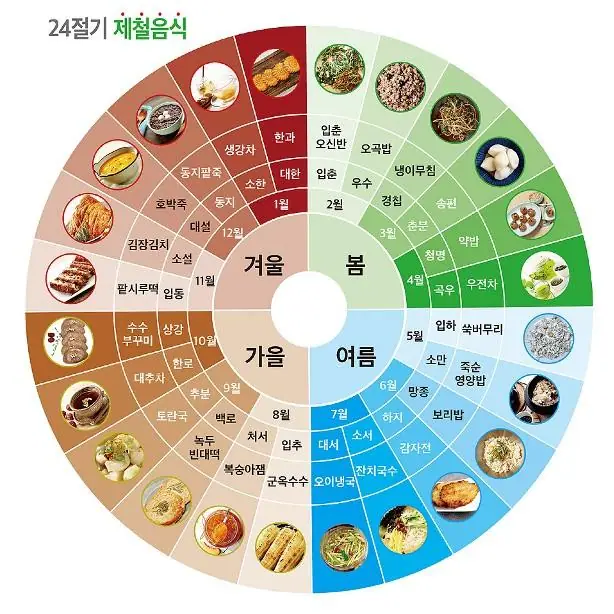
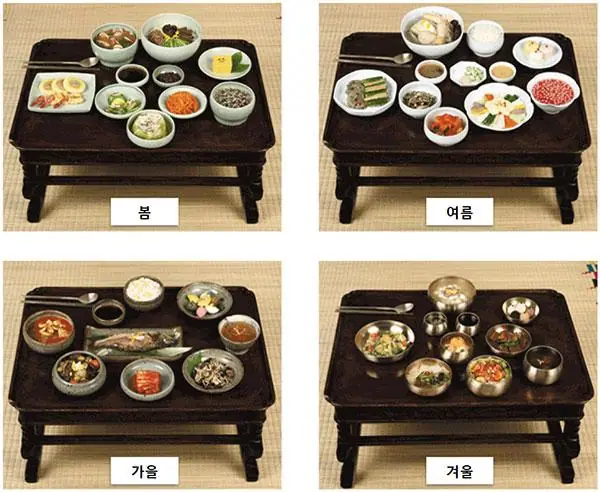
Korean cuisine follows the natural rhythm of the seasons.
Traditional cooking developed around locally available ingredients and seasonal changes.
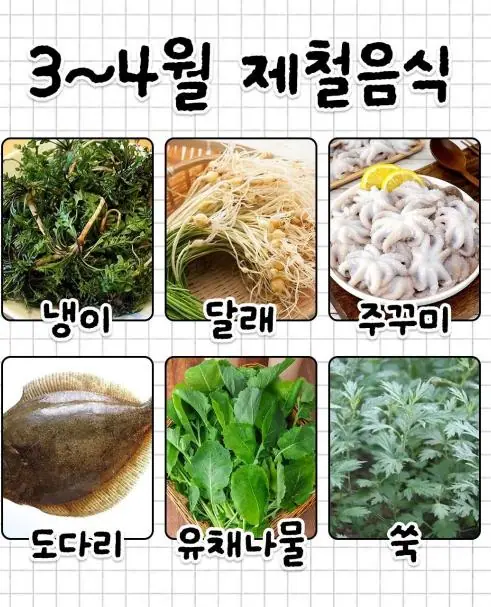
Spring
Fresh seasonal foods:
Spring foods often focus on freshness and renewal.
Summer
Common summer foods:
Foods are often designed to help people enjoy hot weather.
Autumn
Autumn is the season of harvest.
Important foods include:
Winter
Winter food culture focuses on preservation.
Important traditions include:
Pro Tips
- Rice is the foundation of Korean meals
- Banchan represents sharing and balance
- Korean dining connects people and traditions
- Seasonal ingredients shape Korean cuisine
- Food culture reflects respect for nature
Related Guides
Kimchi Culture & Guide
Kimchi is more than a Korean side dish. It represents Korea’s history, fermentation knowledge, seasonal lifestyle, and community values.
Korean Traditional Ingredients
Korean traditional ingredients are the foundation of Hansik.
Korean Fermentation Culture
Korean fermentation culture represents centuries of knowledge about preserving food and developing deep flavors.
Ask AI About This Topic
Have a question about Korean Food Culture?
Get instant, locally-checked answers from the ASK KOREA AI. Ask anything from specific edge cases to itinerary decisions.
"Tell me more about korean food culture and how to experience it in Korea."
ASK KOREA Transit