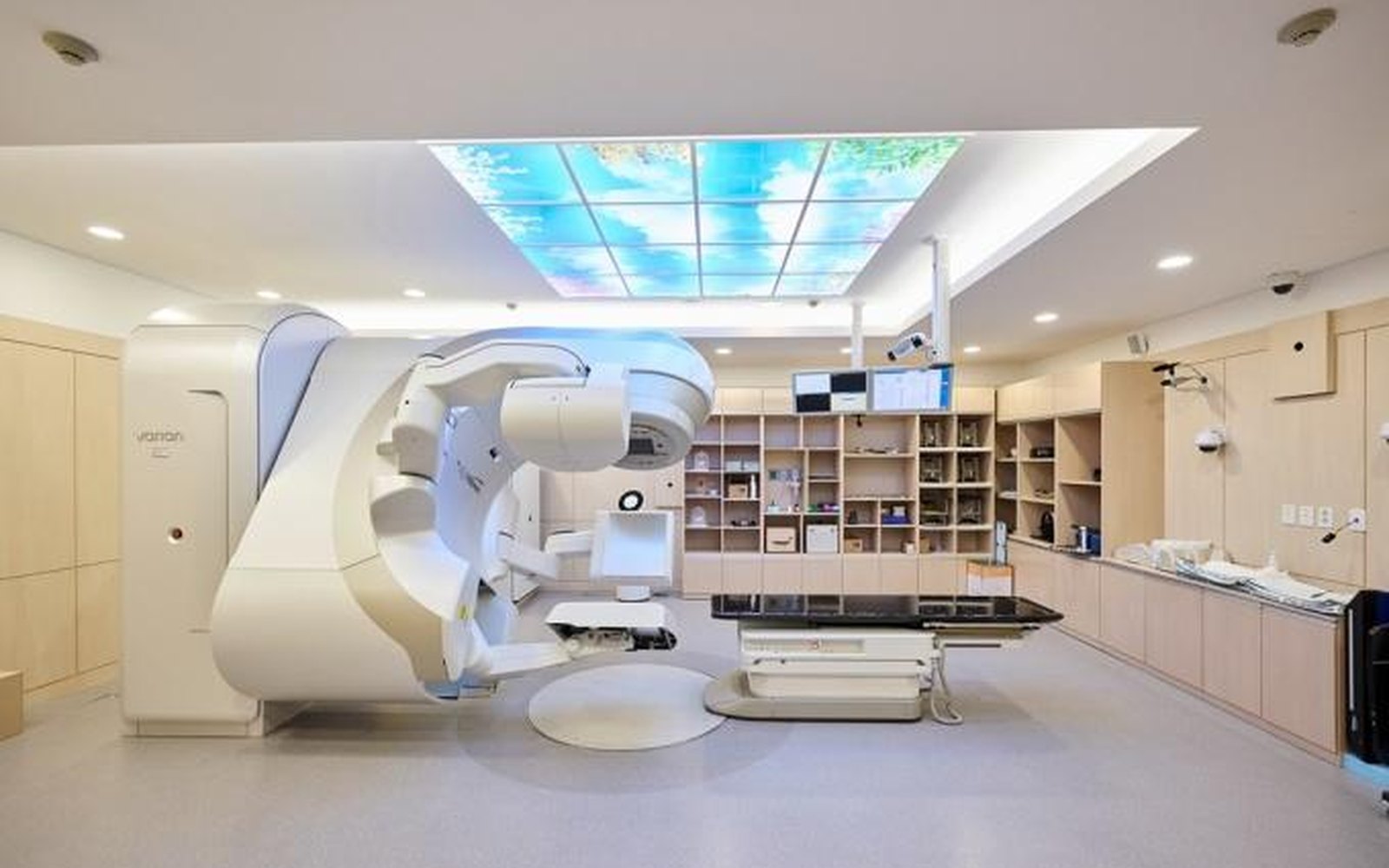
Hematology & Blood Disorders in Korea
Specialized Care for Blood & Bone Marrow Conditions
- Blood disorder
- Hematology
- Diagnosis
- Blood and specialized laboratory testing may be required
- Blood cancer
- Specialized multidisciplinary treatment may be needed
- Stem cell transplant
- Requires extensive specialist evaluation
- Medical records
- Prepare pathology and previous treatment information
- International patient
- Confirm treatment duration before arranging travel
Korea has hematology departments and specialized centers providing diagnosis and treatment for diseases affecting the blood, bone marrow, and blood-forming system.
Some blood disorders can be managed through outpatient care, while complex hematologic diseases may require highly specialized treatment at a major medical center.
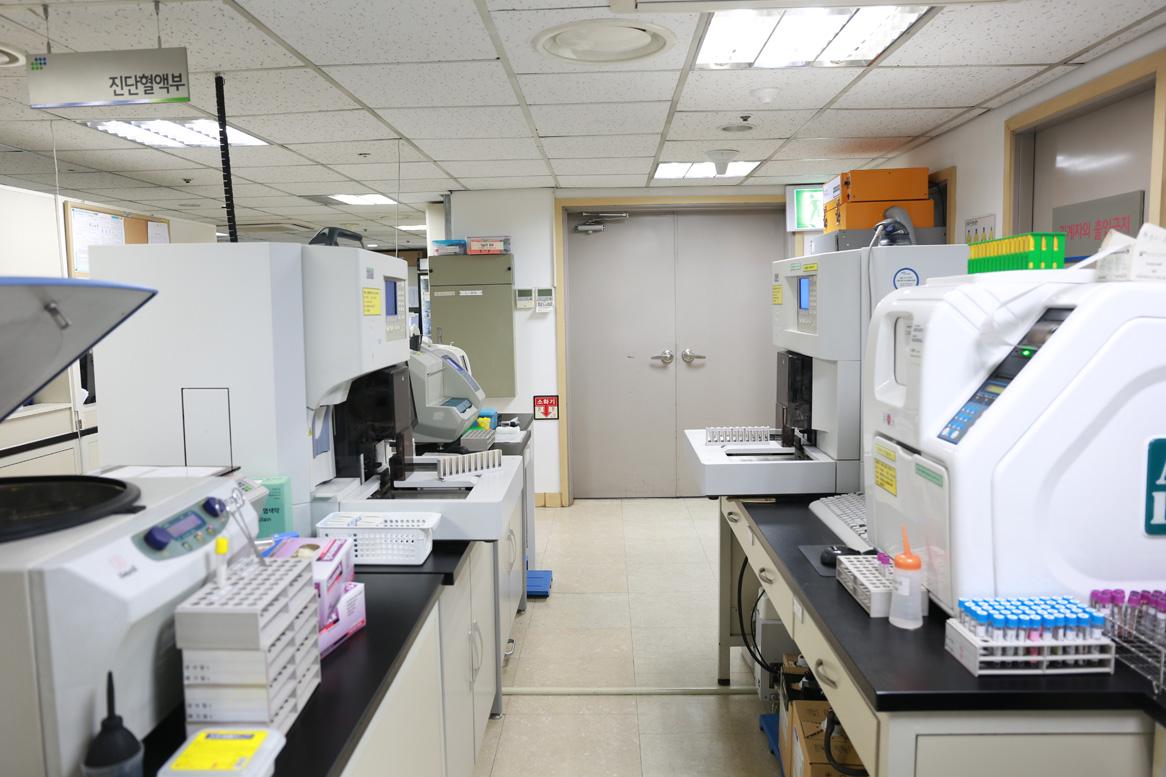
CONDITIONS TREATED BY HEMATOLOGY
Hematologists may evaluate and treat:
- Anemia
- Platelet Disorders
- Bleeding Disorders
- Blood Clotting Disorders
- Leukemia
- Lymphoma
- Multiple Myeloma
- Myelodysplastic Syndromes
- Bone Marrow Disorders
- Other hematologic diseases
DIAGNOSTIC TESTING
Depending on the condition, evaluation may involve:
- Complete blood count
- Blood chemistry
- Coagulation tests
- Peripheral blood examination
- Bone marrow examination
- Genetic or molecular testing
- Imaging
- Other specialized tests
The appropriate tests depend on the individual diagnosis.
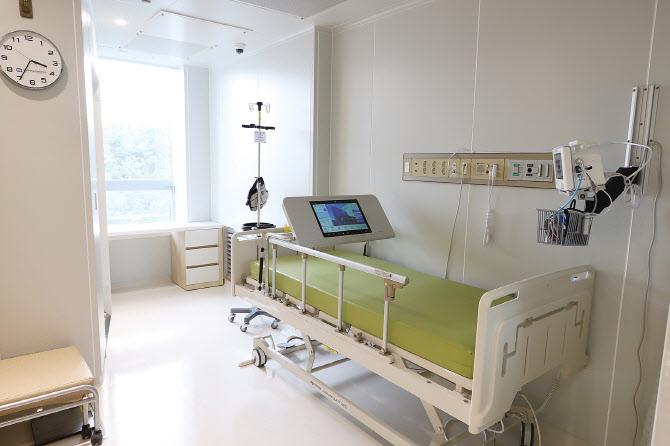
HEMATOLOGIC CANCERS
Leukemia, lymphoma, multiple myeloma, and related diseases may require coordinated specialist care.
Treatment may involve:
Hematology → Oncology → Pathology → Laboratory Medicine → Infectious Disease → Other Specialists
Treatment plans vary substantially according to the disease and patient.
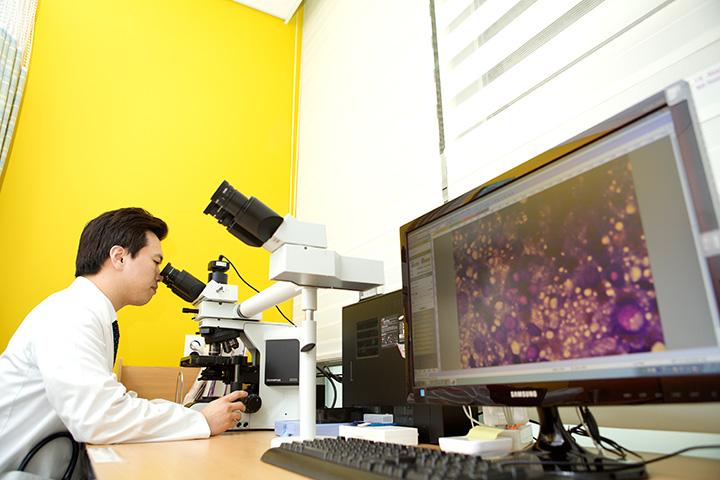
STEM CELL & BONE MARROW TRANSPLANTATION
Some major medical centers provide hematopoietic stem cell transplantation for appropriate patients with certain blood disorders.
This is a complex treatment requiring detailed medical evaluation.
Eligibility, donor considerations, treatment schedules, risks, and follow-up requirements must be determined by the specialist medical team.
PREPARE YOUR MEDICAL RECORDS
International patients seeking specialized hematology care may be asked for:
- Confirmed or suspected diagnosis
- Recent blood test results
- Bone marrow examination results
- Pathology reports
- Genetic or molecular test results
- Imaging
- Previous chemotherapy or other treatment records
- Current medications
Ask the receiving hospital exactly which documents are required.
INTERNATIONAL PATIENTS
Complex hematologic treatment can require a long stay in Korea and repeated follow-up.
Before arranging travel, confirm:
Specialist Review → Treatment Availability → Expected Duration → Hospitalization → Follow-Up → Accommodation
Do not make major travel arrangements until the hospital has reviewed the case when advance review is required.
Official resources
Medical Korea
www.medicalkorea.or.krMinistry of Health and Welfare
www.mohw.go.krASK KOREA Transit