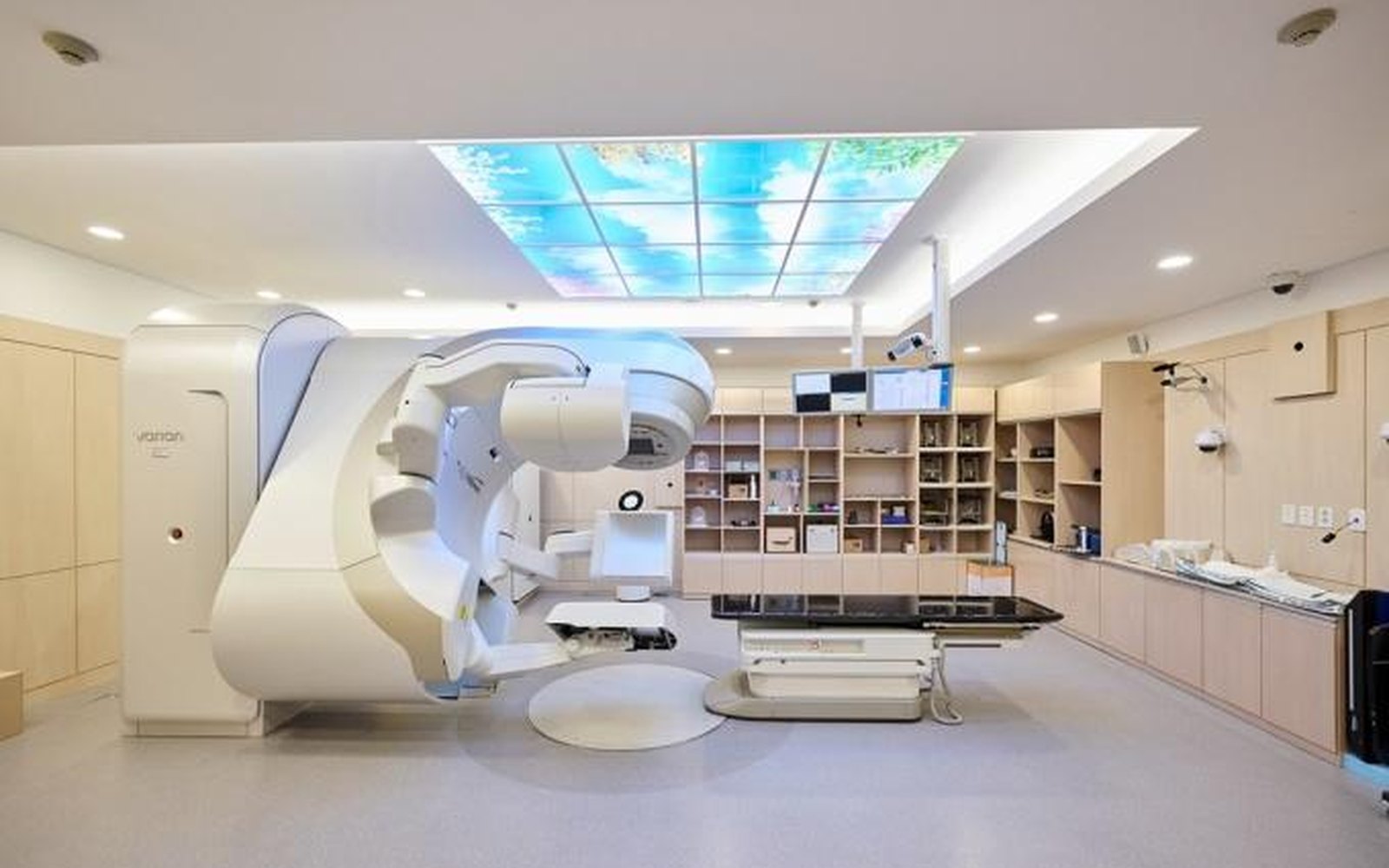
Infectious Diseases in Korea
Specialized Care for Complex & Travel-Related Infections
- Routine infection
- Local medical care may be appropriate
- Complex infection
- Infectious disease specialist may be needed
- Recent international travel
- Tell the medical team when relevant
- Antibiotics
- Use only as medically directed
- Previous treatment
- Bring relevant laboratory and medication records
- Life-threatening emergency
- 119
Korea has infectious disease departments in major hospitals providing diagnosis and treatment for bacterial, viral, fungal, and other infectious diseases.
Routine infections may be treated at local clinics, while severe, unusual, or complicated infections may require specialist care.
CONDITIONS MAY INCLUDE
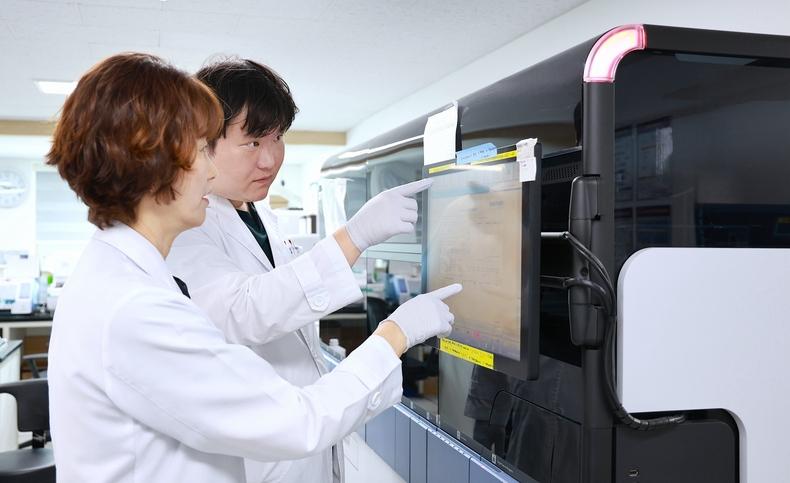
Infectious disease specialists may evaluate:
- Severe or complicated infections
- Respiratory infections
- Bloodstream infections
- Tuberculosis
- Infections affecting immunocompromised patients
- Travel-related infections
- Persistent fever of unclear origin
- Complex infections following surgery
- Other infectious conditions
DIAGNOSTIC TESTING
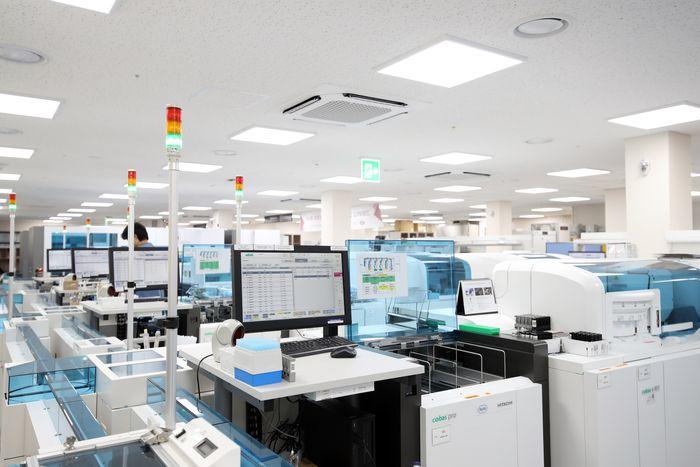
Depending on the patient's condition, evaluation may involve:
- Blood tests
- Cultures
- Molecular diagnostic tests
- Imaging
- Microbiological examinations
- Other specialized testing
The appropriate tests are determined according to the patient's symptoms and medical history.
TRAVEL-RELATED ILLNESS
International travelers who develop illness should tell medical staff about recent travel when it may be medically relevant.
Useful information can include:
Countries Visited → Travel Dates → Symptoms → Symptom Onset → Relevant Exposures
This information can help healthcare professionals assess possible travel-related infections.
ANTIBIOTICS
Antibiotics treat certain bacterial infections but are not appropriate for every infection.
The choice of medication depends on the diagnosis and professional medical assessment.
Do not use leftover antibiotics or change prescribed treatment without medical guidance.
COMPLEX INFECTIONS
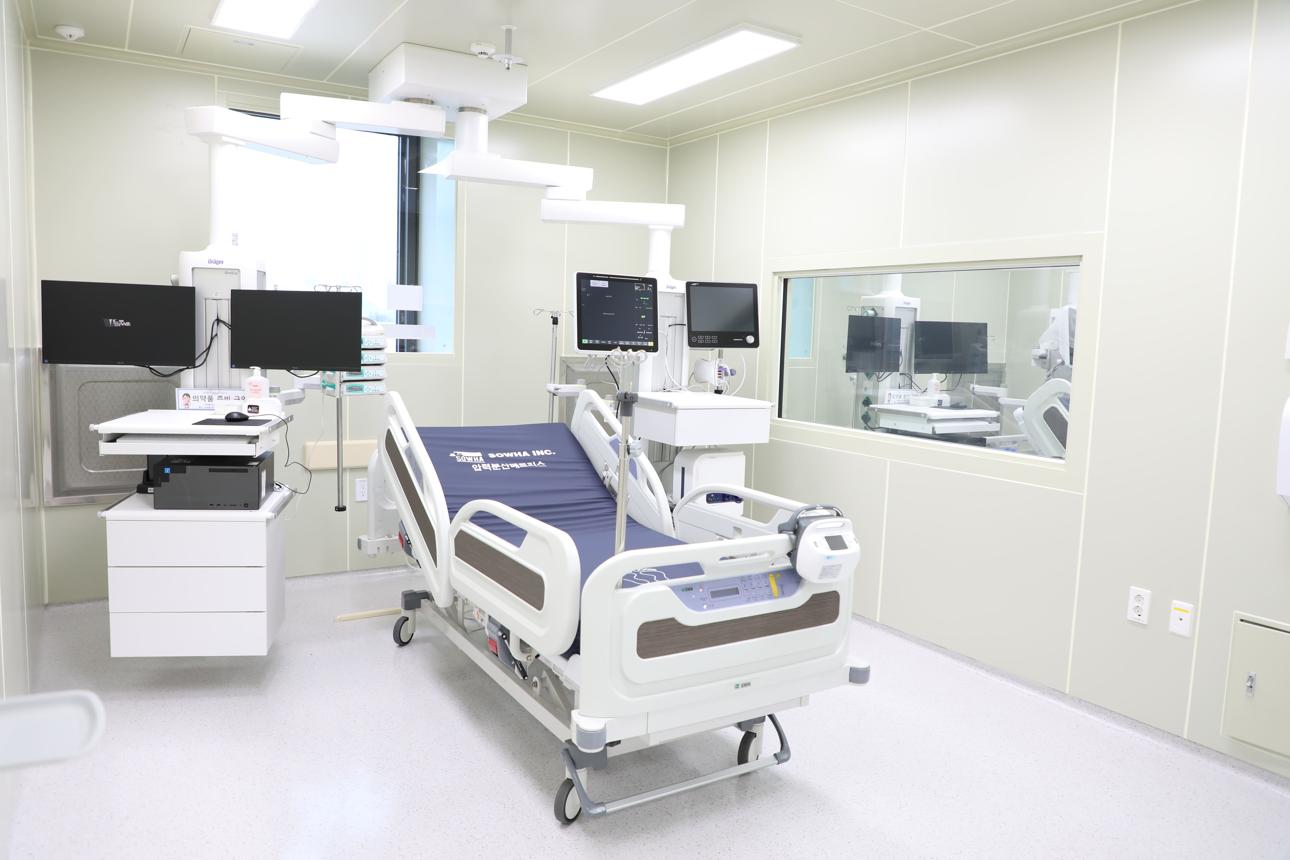
Patients with serious infections may require care involving several specialties, such as:
Infectious Diseases → Pulmonology → Surgery → Critical Care → Laboratory Medicine
The combination depends on the patient's condition.
INTERNATIONAL PATIENTS
For planned specialist care, prepare relevant information including:
- Current diagnosis
- Recent laboratory results
- Previous cultures or microbiology results
- Imaging when relevant
- Previous antimicrobial treatment
- Current medications
- Recent travel history when medically relevant
URGENT SYMPTOMS
Some infections can become serious rapidly.
If a patient develops severe breathing difficulty, loss of consciousness, or another potentially life-threatening condition in Korea, seek emergency medical assistance.
Emergency → Call 119
Official resources
Korea Disease Control and Prevention Agency
www.kdca.go.krEmergency Medical Information — E-GEN
www.e-gen.or.krMinistry of Health and Welfare
www.mohw.go.krASK KOREA Transit