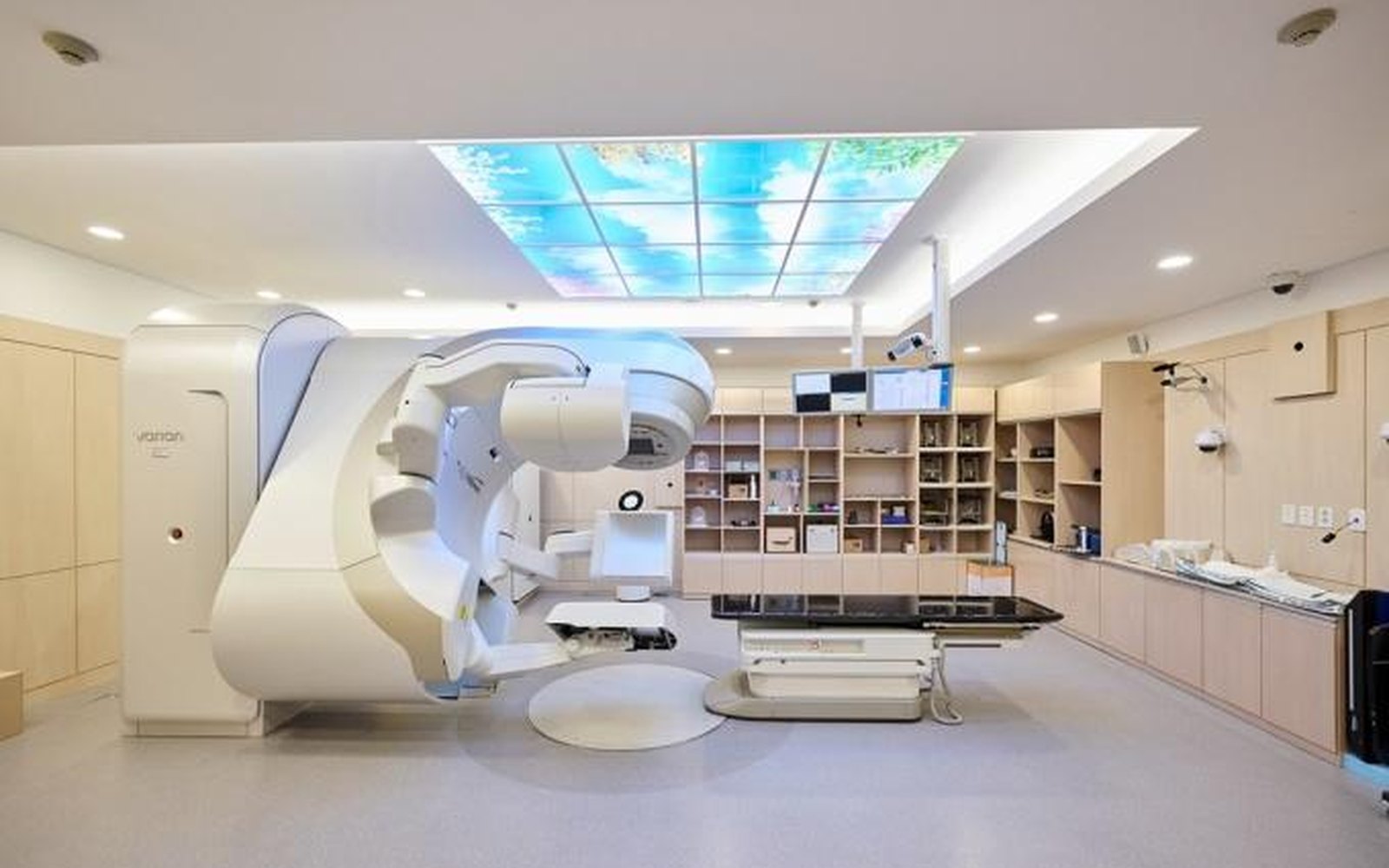
Rheumatology & Autoimmune Disease Care in Korea
Specialized Care for Arthritis & Systemic Autoimmune Conditions
- Inflammatory arthritis / autoimmune disease
- Rheumatology
- Diagnosis
- May require laboratory and imaging tests
- Systemic disease
- Multiple specialties may be involved
- Medication
- Bring a complete current medication list
- Specialized therapy
- Requires individual medical evaluation
- International patient
- Plan continuity of care after leaving Korea
Korea has rheumatology departments in major hospitals providing diagnosis and long-term management for inflammatory arthritis, autoimmune diseases, and other rheumatic conditions.
Many of these conditions are chronic and require continued monitoring rather than a single course of treatment.
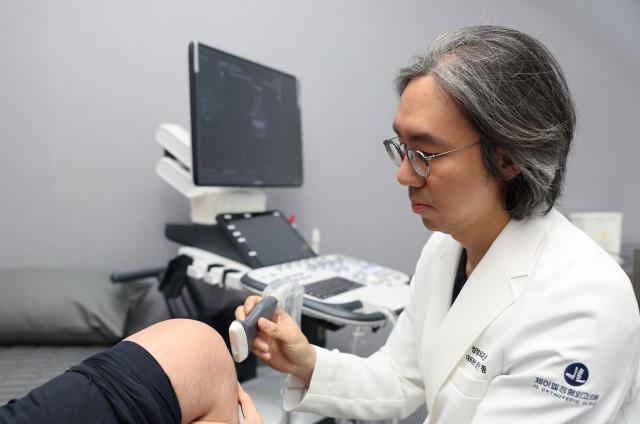
CONDITIONS TREATED BY RHEUMATOLOGY
Rheumatologists may evaluate and treat:
- Rheumatoid Arthritis
- Systemic Lupus Erythematosus
- Ankylosing Spondylitis
- Psoriatic Arthritis
- Gout
- Vasculitis
- Sjögren's Syndrome
- Systemic Sclerosis
- Inflammatory Muscle Diseases
- Other autoimmune and rheumatic conditions
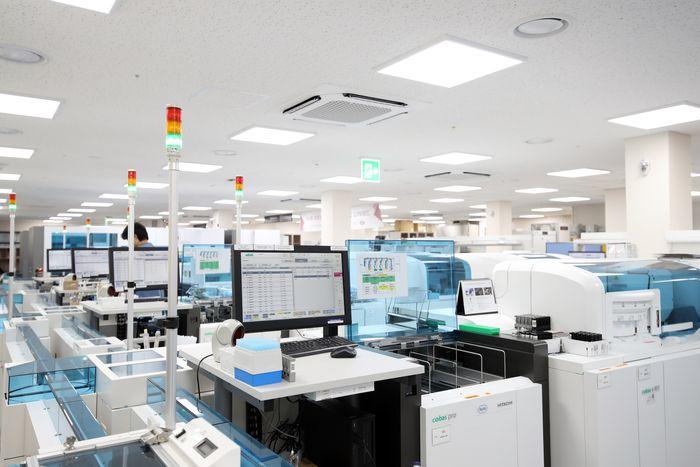
DIAGNOSIS
Evaluation may involve:
- Medical history
- Physical examination
- Blood tests
- Urine tests
- X-rays
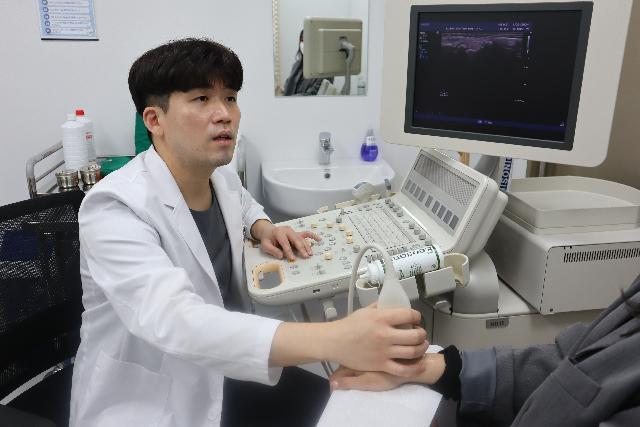
- Ultrasound
- MRI
- Other specialized examinations
Diagnosis can sometimes require several examinations and continued observation.
MULTIDISCIPLINARY CARE
Systemic autoimmune diseases can affect more than the joints.
Depending on the condition, treatment may involve:
Rheumatology → Nephrology → Dermatology → Pulmonology → Cardiology → Ophthalmology
Major medical centers may coordinate care between specialties when appropriate.
ONGOING MEDICATION
Patients with rheumatic or autoimmune conditions may use long-term medications.
International patients should bring an accurate list showing:
Medication Name · Active Ingredient · Dosage · Frequency
Do not stop or change prescribed medication without appropriate medical guidance.
BIOLOGIC & SPECIALIZED THERAPIES
Some patients may receive biologic or other specialized therapies.
Treatment availability and suitability depend on the diagnosis, previous treatment, medical condition, and professional assessment.
Patients already receiving these treatments should provide their existing treatment records to the receiving medical team.
INTERNATIONAL PATIENTS
For ongoing or complex autoimmune disease, prepare:
- Current diagnosis
- Recent laboratory results
- Imaging when relevant
- Medication history
- Previous treatments
- Information about disease activity or complications
Because these diseases often require long-term care, consider how treatment will continue after returning home.
Official resources
Medical Korea
www.medicalkorea.or.krMinistry of Health and Welfare
www.mohw.go.krASK KOREA Transit