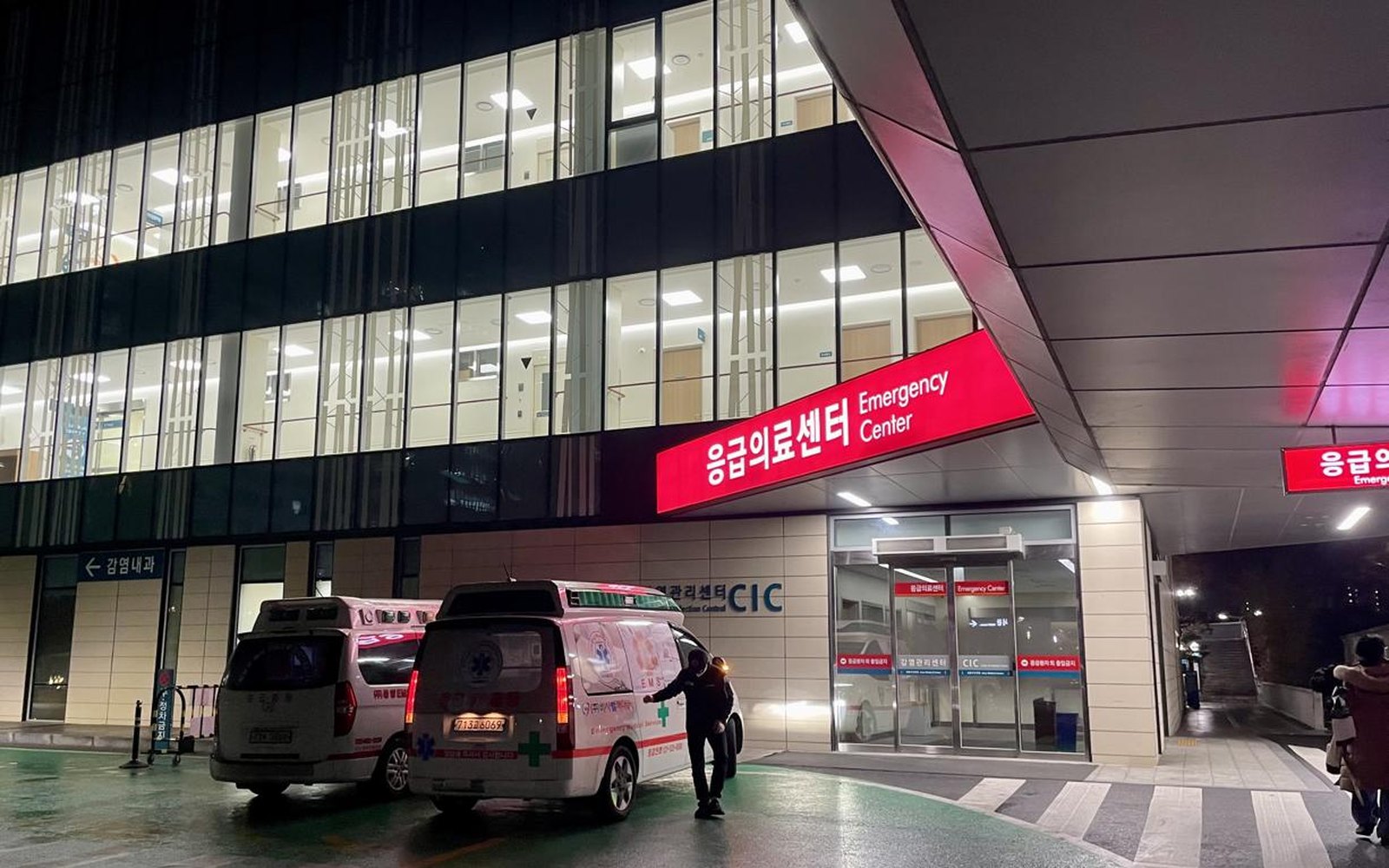
What to Do While Waiting for An Ambulance
Essential Steps for International Visitors in Korea
- Call
- 119
- Location
- Give precise details
- Patient
- Describe condition clearly
- Instructions
- Follow the dispatcher
- Access
- Help responders reach the patient
- Documents
- Prepare only if it does not delay care
- Serious injury
- Avoid unnecessary movement
After calling 119, staying calm and providing clear information can help emergency responders reach and assist the patient as efficiently as possible.
Follow the emergency dispatcher's instructions whenever they are provided.
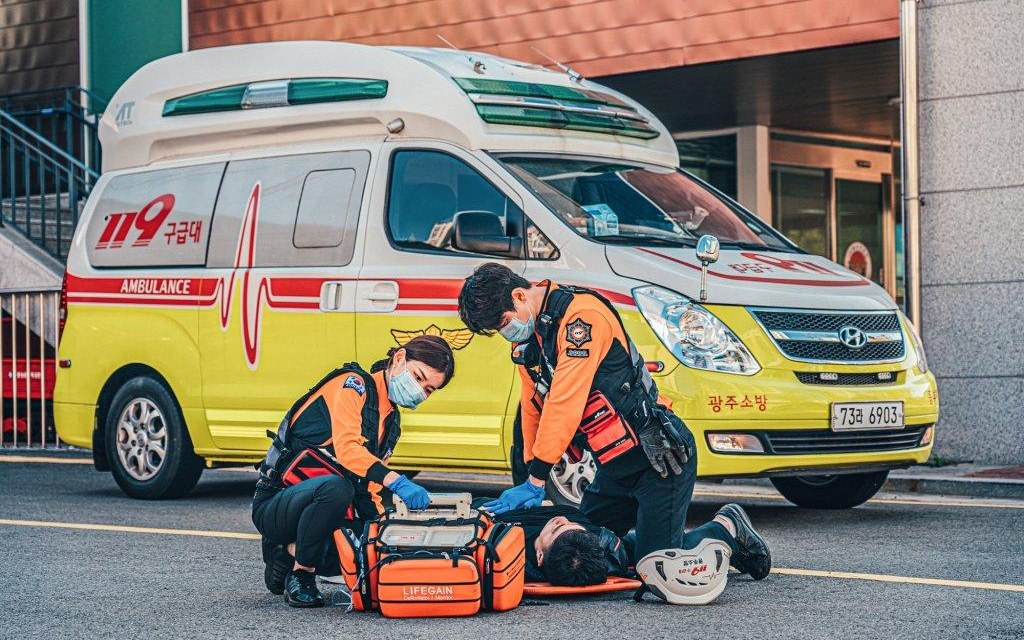
GIVE YOUR EXACT LOCATION
Tell the dispatcher where the patient is located.
Useful information may include:
- Street address
- Building or hotel name
- Floor and room number
- Nearby landmark
- Subway station or exit
- Easily identifiable meeting point
If someone is available, ask them to wait near the entrance and guide emergency personnel to the patient.
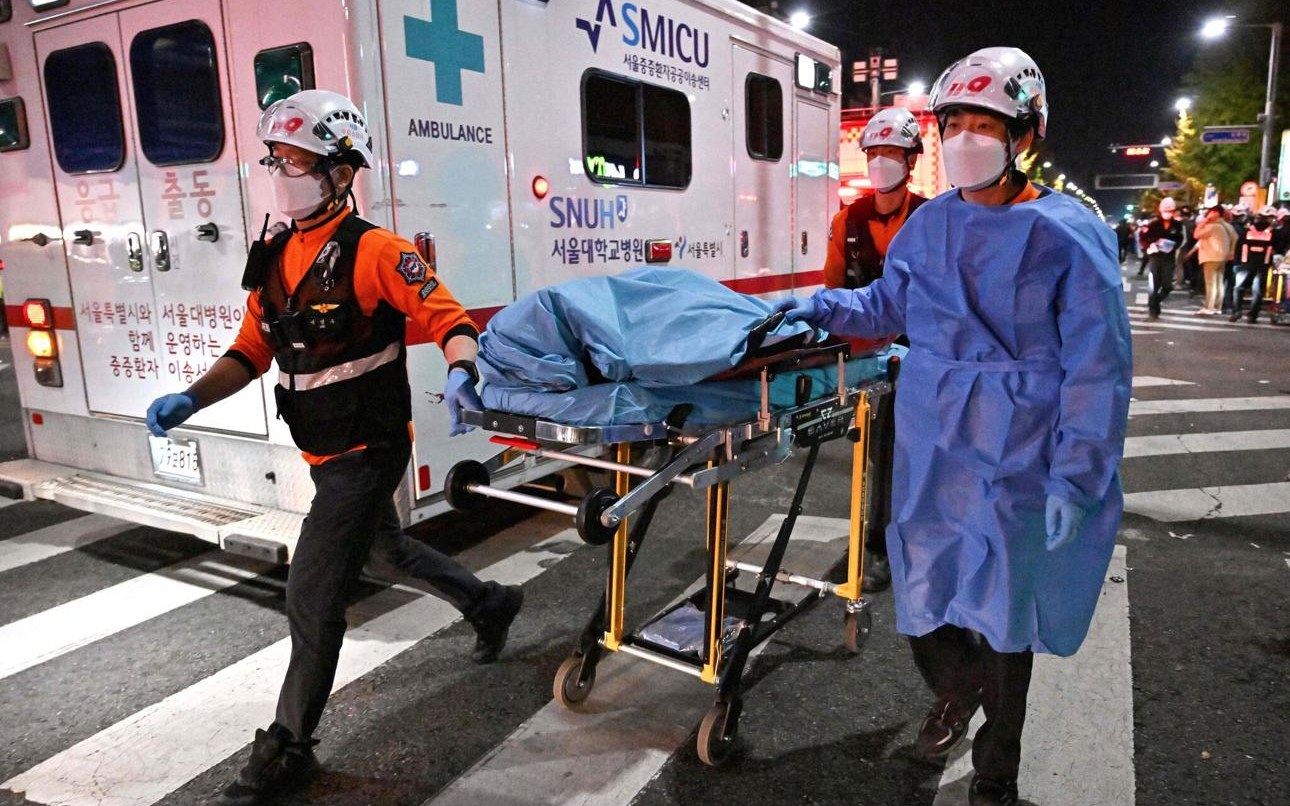
DESCRIBE THE PATIENT'S CONDITION
Provide simple, essential information:
What happened?
Is the patient conscious?
Is the patient breathing?
Is there serious bleeding?
Are there known allergies or medical conditions?
Answer the dispatcher's questions as clearly as possible.
FOLLOW 119 INSTRUCTIONS
The dispatcher may provide instructions appropriate to the emergency while help is on the way.
Follow those instructions carefully.
Do not perform unfamiliar medical procedures unless instructed by qualified emergency personnel.
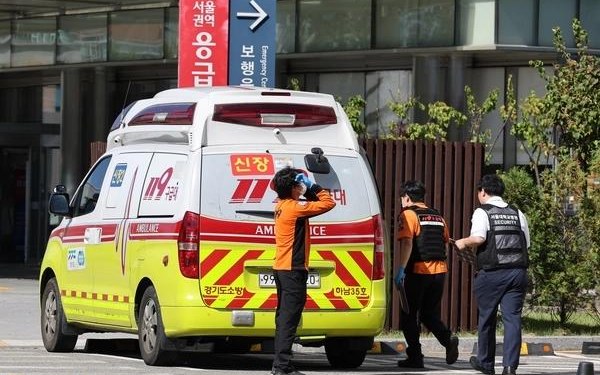
DO NOT MOVE THE PATIENT UNNECESSARILY
After a serious accident or injury, unnecessary movement may create additional risk.
Unless the location itself is dangerous, follow emergency personnel's instructions about moving the patient.
PREPARE IMPORTANT INFORMATION
If it can be done without delaying care, prepare:
- Passport or identification
- Residence Card, if applicable
- Medication list
- Allergy information
- Important medical history
- Insurance information
- Emergency contact details
MAKE ACCESS EASIER
When possible:
Unlock the Door → Clear the Entrance → Turn On Lights → Send Someone to Meet the Ambulance
In large apartment buildings, hotels, offices, or campuses, this can help responders locate the patient more quickly.
DO NOT DELAY FOR A PREFERRED HOSPITAL
In a serious emergency, the immediate priority is appropriate emergency assessment and treatment.
Hospital destination can depend on the patient's condition, location, facility capability, and real-time circumstances.
Official resources
National Fire Agency
www.nfa.go.krEmergency Medical Information — E-GEN
www.e-gen.or.krMinistry of Health and Welfare
www.mohw.go.krASK KOREA Transit