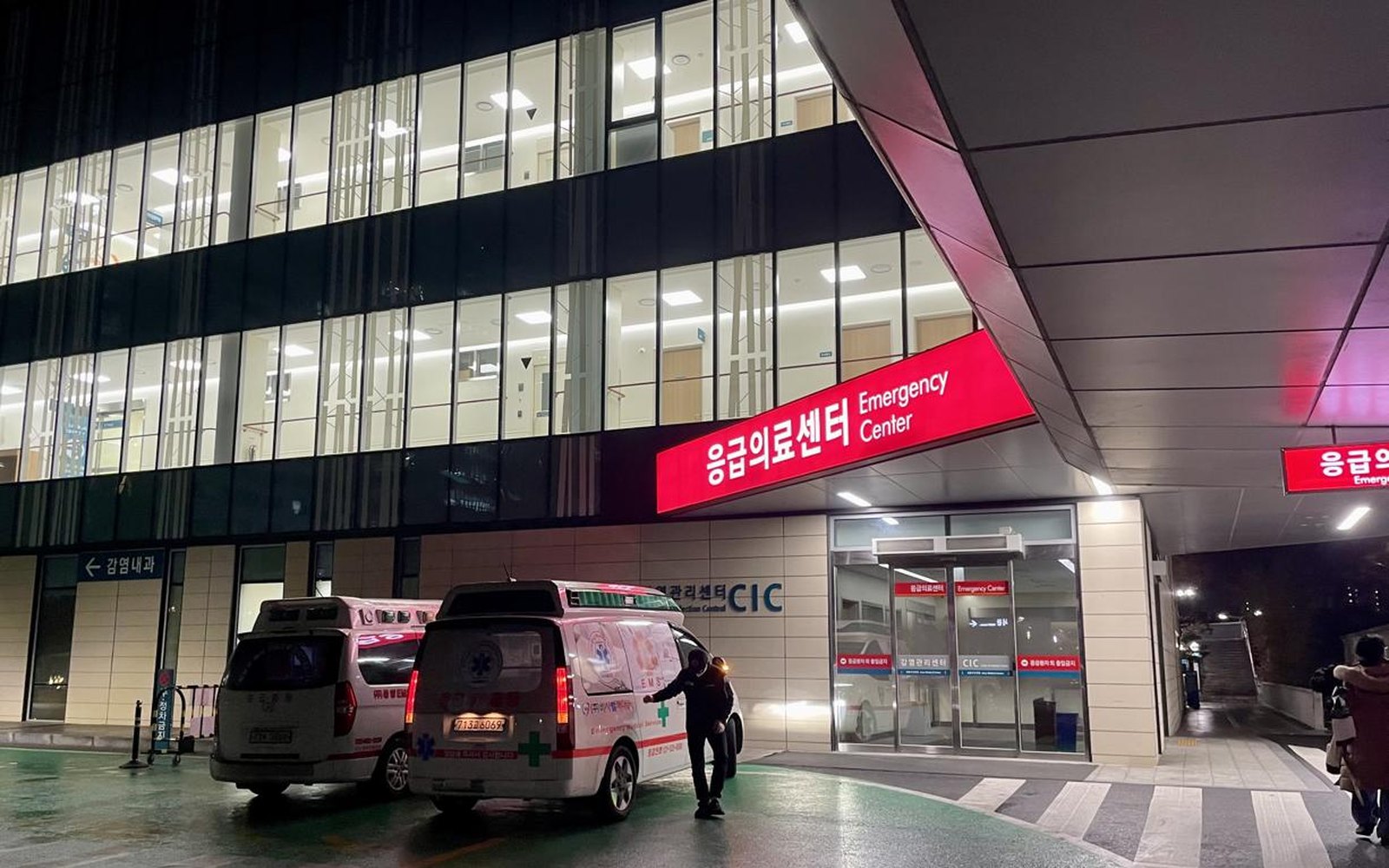
Emergency Medical Costs & Insurance
What International Patients Should Know About Emergency Care Expenses
- Emergency costs
- Depend on treatment and insurance status
- NHI
- Applicable coverage depends on current rules
- Travel insurance
- Check your individual policy
- Overseas insurer
- Direct billing is not guaranteed
- Insurance claim
- Keep receipts and required documents
- Serious emergency
- Do not delay care because of payment questions
Emergency medical care in Korea may cost more than a routine clinic visit. The final amount depends on the patient's condition, hospital, examinations, treatment, insurance status, and whether hospitalization is required.
International visitors should understand how payment and insurance may work before an emergency occurs.
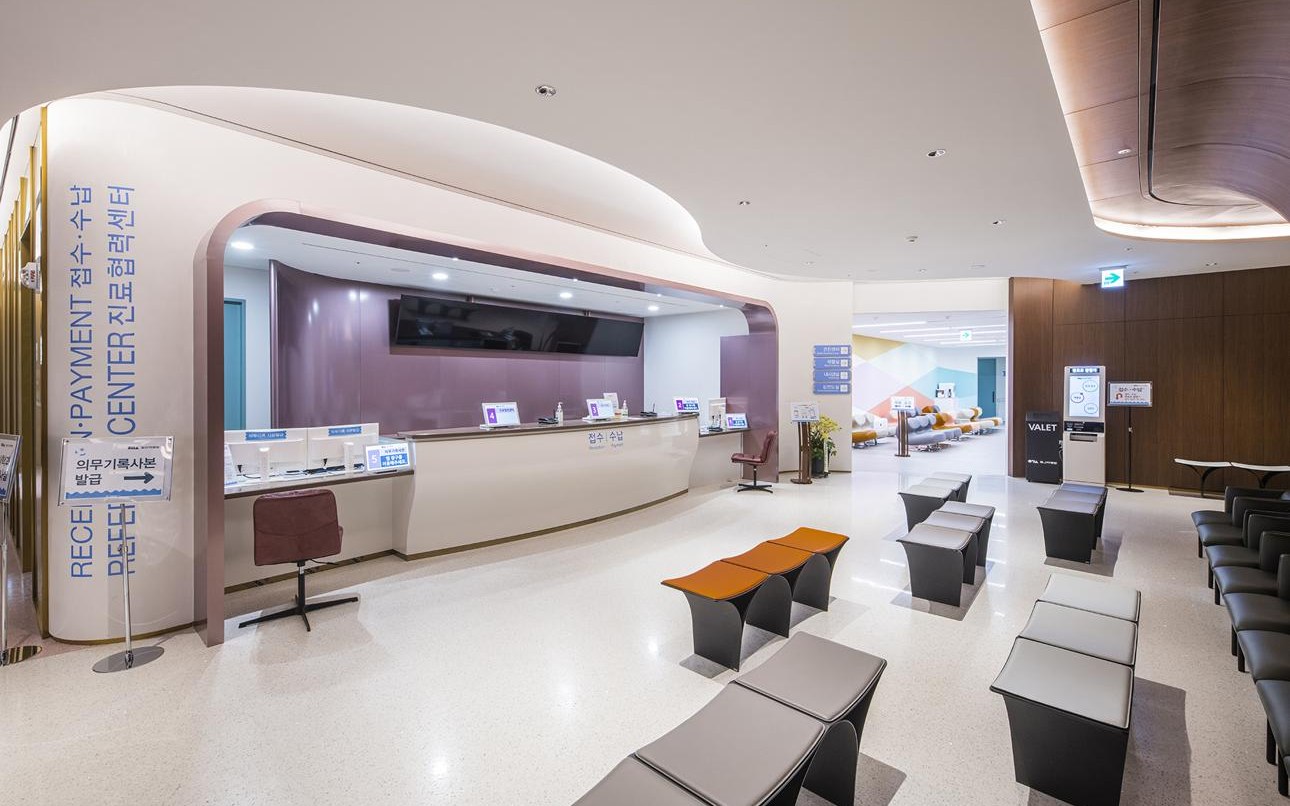
WHAT CAN AFFECT THE COST?
Emergency medical expenses may include:
- Emergency department services
- Doctor consultations
- Laboratory tests
- X-rays, CT, MRI or other imaging
- Medication
- Emergency procedures
- Specialist consultations
- Surgery
- Hospital admission
- Intensive care when medically necessary
Costs vary considerably depending on the individual case.
NATIONAL HEALTH INSURANCE
Foreign residents enrolled in Korea's National Health Insurance (NHI) may receive applicable insurance benefits according to current coverage rules.
Coverage is not identical for every medical service.
Check current eligibility and coverage with the National Health Insurance Service.
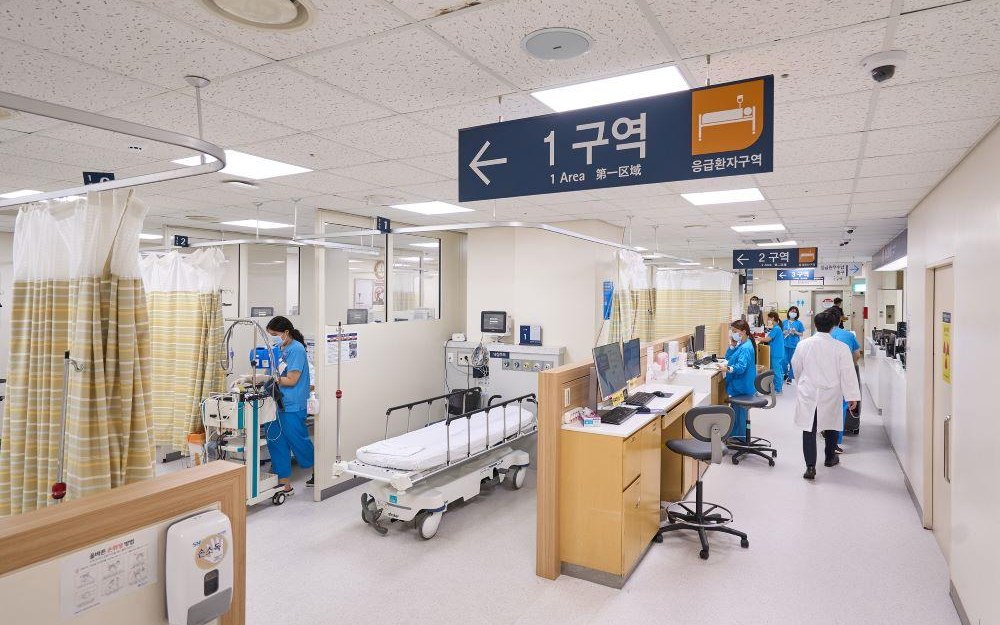
TRAVEL & PRIVATE INSURANCE
International visitors may have:
- Travel insurance
- International health insurance
- Private medical insurance
Policies differ in coverage, exclusions, deductibles, reimbursement procedures, and documentation requirements.
YOU MAY NEED TO PAY FIRST
Do not assume that a Korean hospital will automatically bill your overseas insurer.
Depending on the hospital and insurer, you may need to:
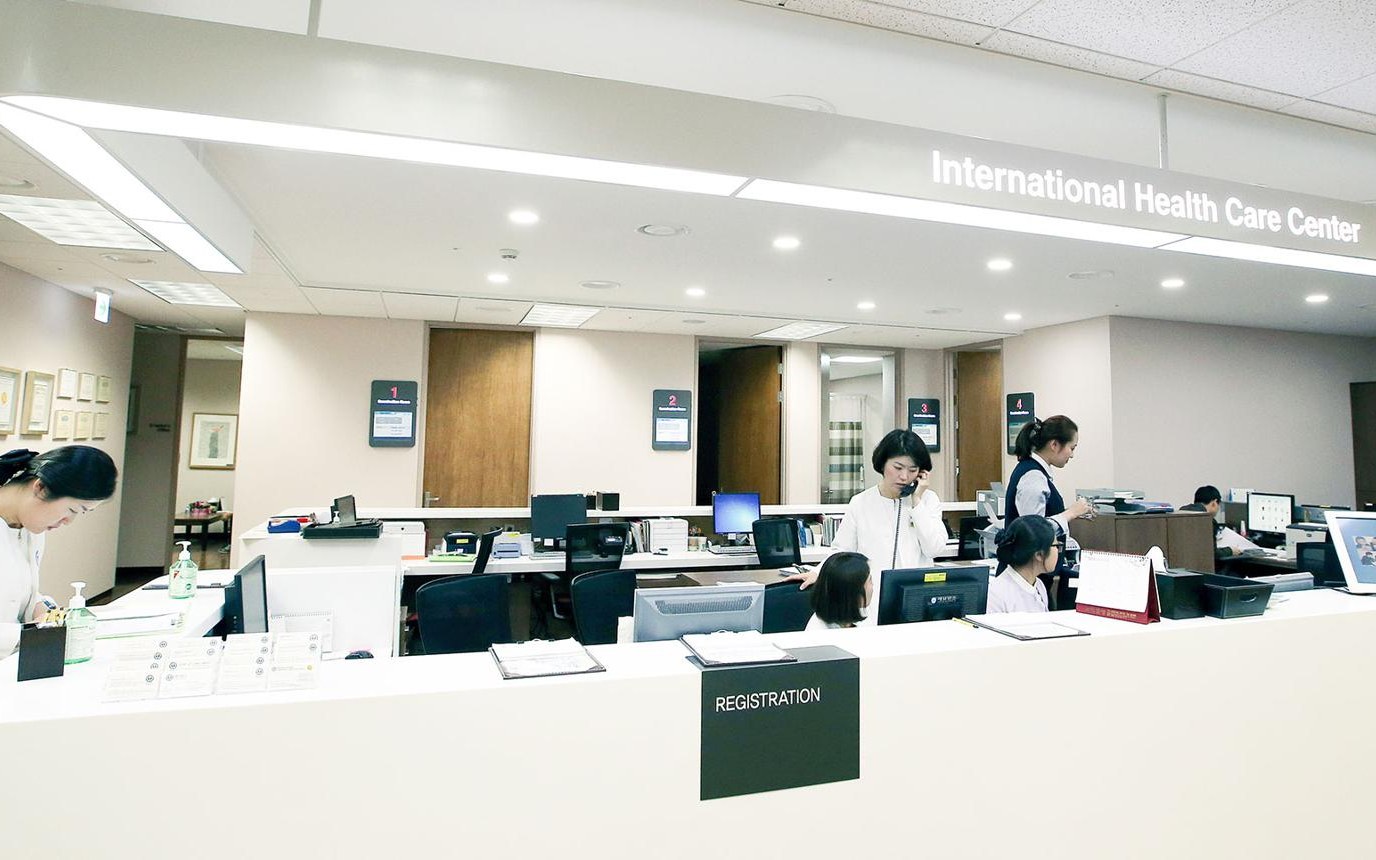
Receive Treatment → Pay the Hospital → Obtain Documents → Claim Reimbursement
For planned care, check insurance arrangements in advance.
In a serious emergency, however, do not delay necessary medical assistance because of insurance questions.
KEEP IMPORTANT DOCUMENTS
For a possible insurance claim, keep relevant documents such as:
- Payment receipts
- Itemized bills
- Medical certificates when required
- Prescription records
- Treatment-related documents
Ask your insurer which specific documents are required.
ASK THE HOSPITAL
Large hospitals may have administrative staff who can explain available billing procedures for international patients.
International patient centers may also provide guidance, depending on the institution.
Official resources
National Health Insurance Service
www.nhis.or.krEmergency Medical Information — E-GEN
www.e-gen.or.krMinistry of Health and Welfare
www.mohw.go.krASK KOREA Transit