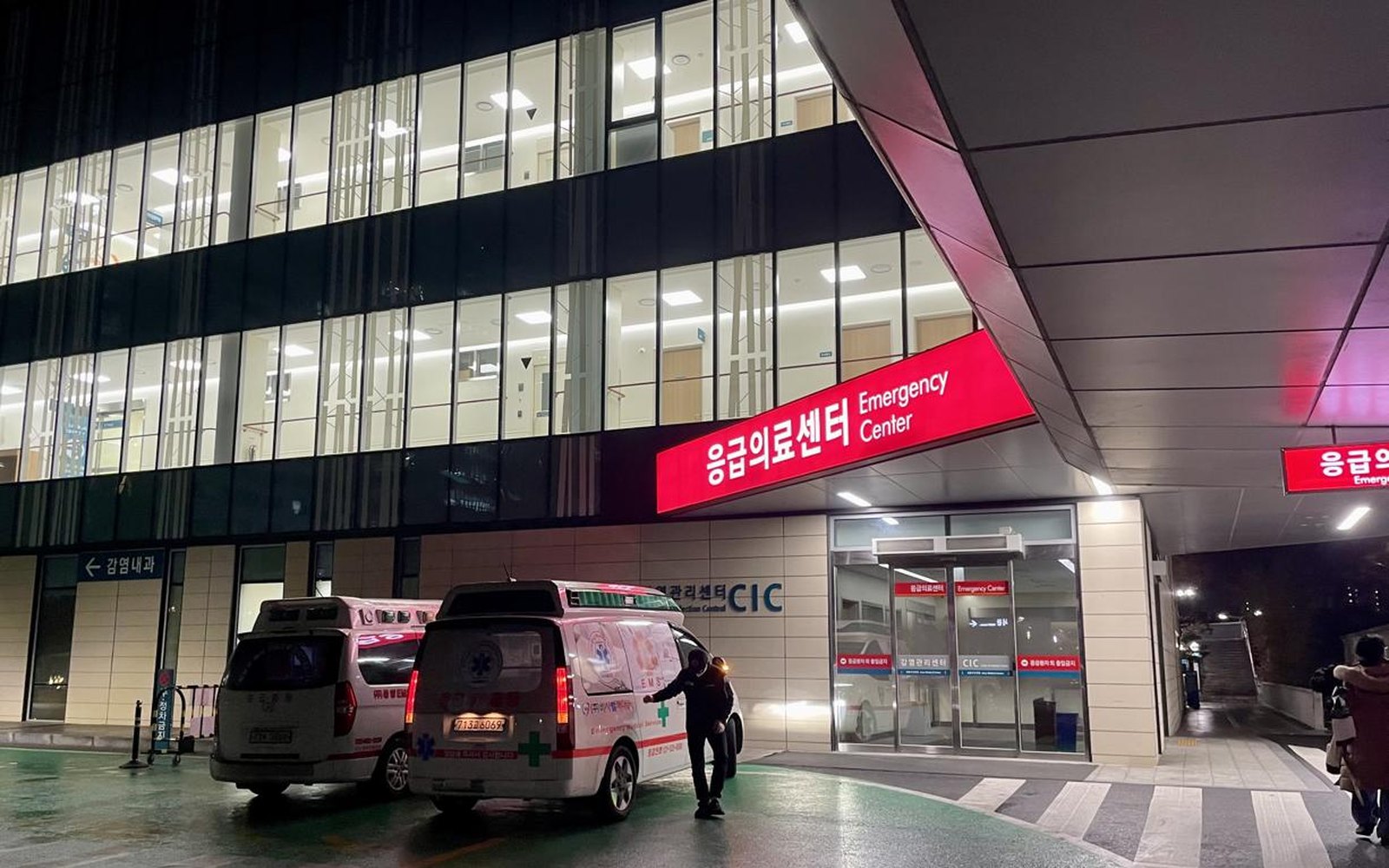
Emergency Care for Children, Pregnant Women & Older Adults
Extra Information to Prepare in a Medical Emergency
- Serious emergency
- Call 119
- Child
- Prepare age, weight, symptoms and medication information
- Pregnancy
- Tell emergency staff immediately
- Older adult
- Prepare medical conditions and medication list
- Chronic condition
- Keep essential medical information accessible
- Language difficulty
- Ask about interpretation support
Children, pregnant women, and older adults may have medical needs that require additional information during an emergency.
If the situation is serious or potentially life-threatening, call 119 immediately.
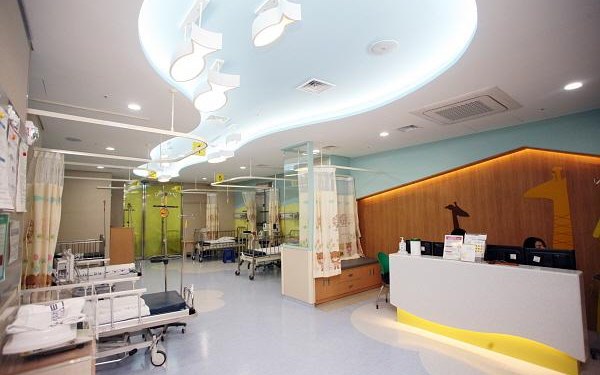
CHILDREN
When a child needs emergency medical care, be prepared to provide:
- Age and approximate weight
- Main symptoms
- When symptoms started
- Known allergies
- Current medications
- Existing medical conditions
- Recent treatment or vaccination information when relevant
For infants and young children, changes in breathing, consciousness, hydration, or behavior can be important information for medical professionals.
PREGNANT WOMEN
If emergency care is needed during pregnancy, tell emergency personnel and hospital staff that the patient is pregnant.
When known, provide:
- Approximate stage of pregnancy
- Expected delivery date
- Current pregnancy-related conditions
- Medications
- Allergies
- Information about the hospital or doctor currently providing prenatal care
For urgent pregnancy-related symptoms, seek appropriate medical assessment without unnecessary delay.
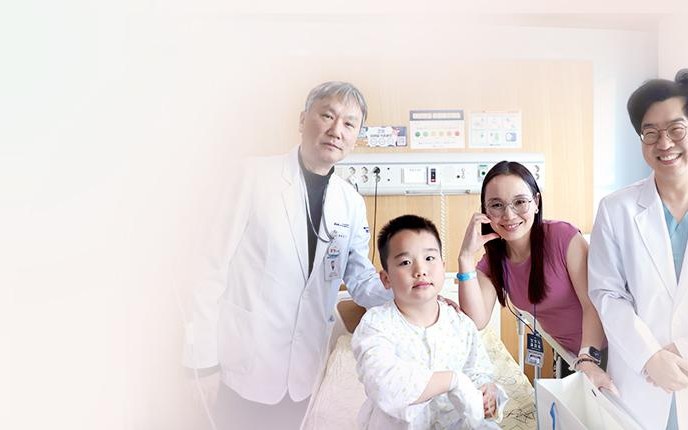
OLDER ADULTS
Older patients may have several medical conditions or take multiple medications.
Useful information includes:
- Current medications
- Medication dosage
- Chronic medical conditions
- Allergies
- Previous major surgery
- Implanted medical devices when relevant
- Recent hospitalization or treatment
- Emergency contact information
A written medication list can be particularly useful.
PEOPLE WITH CHRONIC CONDITIONS
Patients with conditions such as heart disease, diabetes, epilepsy, respiratory disease, or other significant medical conditions should keep essential medical information accessible when possible.
This can help emergency professionals understand the patient's medical background quickly.

MEDICAL INFORMATION ON YOUR PHONE
International visitors and residents may find it useful to keep basic emergency information accessible on their phone:
Name · Date of Birth · Emergency Contact · Allergies · Medical Conditions · Medications
Do not include information you are uncomfortable storing on your device.
LANGUAGE ASSISTANCE
For vulnerable patients, accurate communication can be especially important.
When language assistance is required, ask whether professional interpretation is available at the receiving hospital.
Official resources
Emergency Medical Information — E-GEN
www.e-gen.or.krNational Fire Agency
www.nfa.go.krMinistry of Health and Welfare
www.mohw.go.krASK KOREA Transit