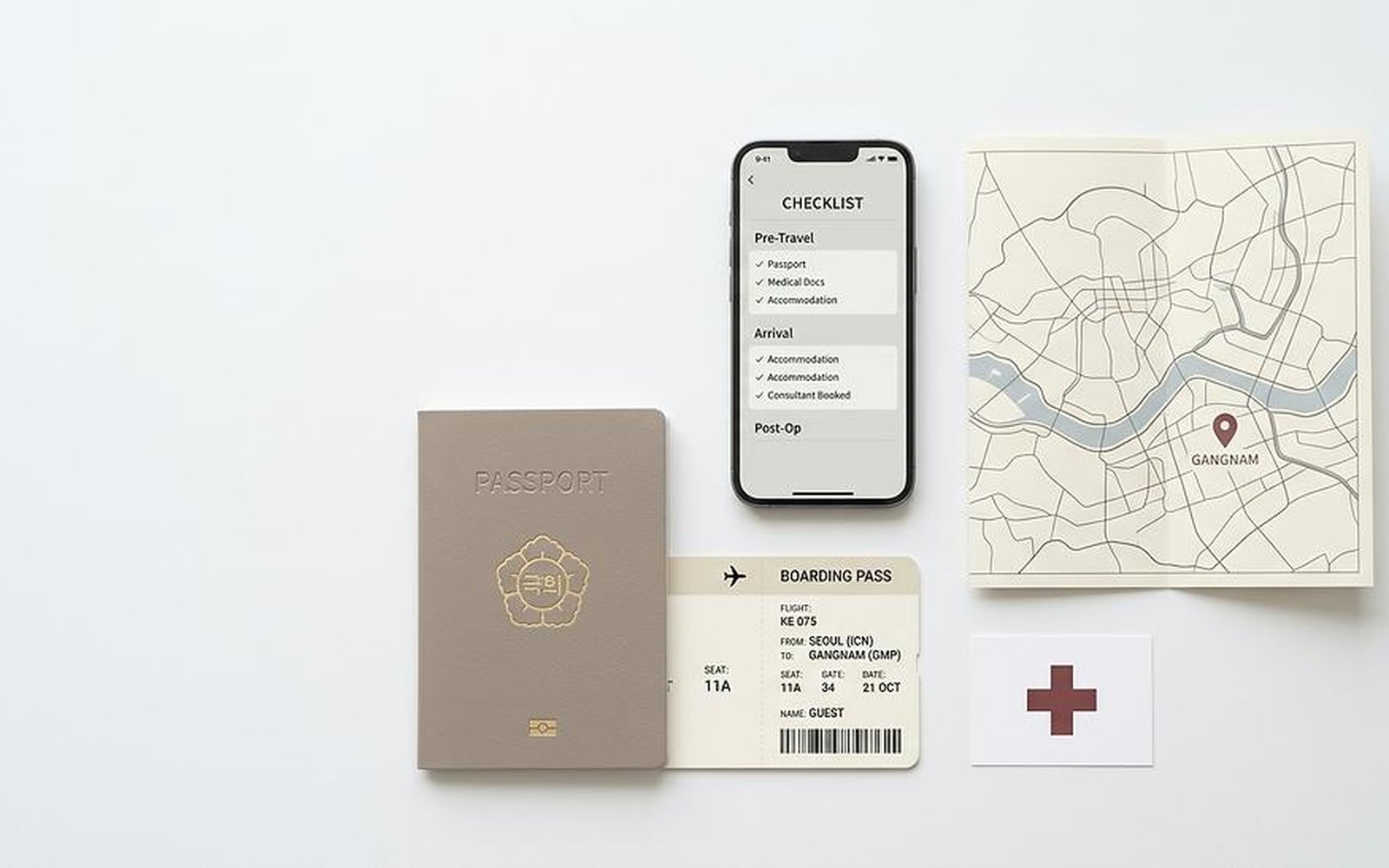
Receiving Medical Treatment in Korea
What International Patients Should Expect During Treatment
- Hospital arrival
- Bring identification and requested medical information
- Initial evaluation
- Additional examinations may be necessary
- Treatment
- Understand the plan before proceeding
- Language
- Confirm interpretation when needed
- Hospitalization
- Ask about stay, discharge and additional costs
- Treatment plan
- May change after examination
- Documents
- Keep important medical and payment records
After arriving in Korea, international patients should follow the medical institution's instructions for registration, examinations, treatment, payment, and follow-up.
The exact process varies according to the hospital, medical specialty, and type of treatment.

ARRIVING AT THE HOSPITAL
For your first appointment, arrive at the time instructed by the hospital.
You may need:
- Passport or identification
- Appointment confirmation
- Medical records
- Previous imaging
- Medication information
- Insurance documents when applicable
- Payment information
Major hospitals may direct international patients to a dedicated international healthcare center.
REGISTRATION & CONSULTATION
A typical process may be:
Registration → Medical Consultation → Examination or Tests → Diagnosis → Treatment Plan
Additional tests may be necessary even if you submitted medical records before traveling to Korea.

UNDERSTAND YOUR TREATMENT
Before significant treatment or surgery, make sure you understand:
- Diagnosis
- Proposed treatment
- Alternatives
- Expected benefits and risks
- Treatment schedule
- Recovery period
- Follow-up requirements
- Estimated costs
Ask the medical team to clarify anything you do not understand.
LANGUAGE & INTERPRETATION
Language services vary by medical institution.
If interpretation is necessary for an important consultation, procedure, or consent process, confirm arrangements with the hospital.
Do not assume that English-speaking staff will be available in every department.
HOSPITALIZATION
If hospitalization is required, ask about:
- Expected length of stay
- Room arrangements
- Visitor or caregiver policies
- Medication
- Meals
- Discharge procedures
- Additional charges
Actual hospitalization may be shorter or longer depending on the patient's condition.
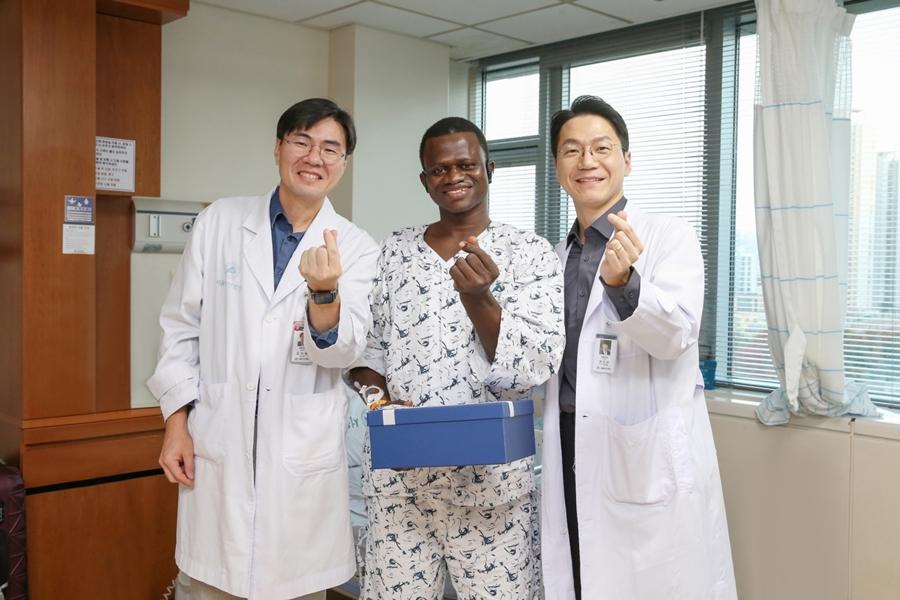
CHANGES TO THE TREATMENT PLAN
The treatment originally discussed before travel may change after examination in Korea.
New test results or specialist evaluation can affect:
Diagnosis → Treatment Method → Schedule → Cost → Recovery Period
Allow some flexibility in your travel plans.
KEEP IMPORTANT RECORDS
During treatment, keep:
- Receipts
- Medical documents
- Test results
- Prescription information
- Appointment information
- Follow-up instructions
These can be particularly important when continuing care after returning home.
Official resources
Medical Korea
www.medicalkorea.or.krMinistry of Health and Welfare
www.mohw.go.krHealth Insurance Review & Assessment Service (HIRA)
www.hira.or.krASK KOREA Transit