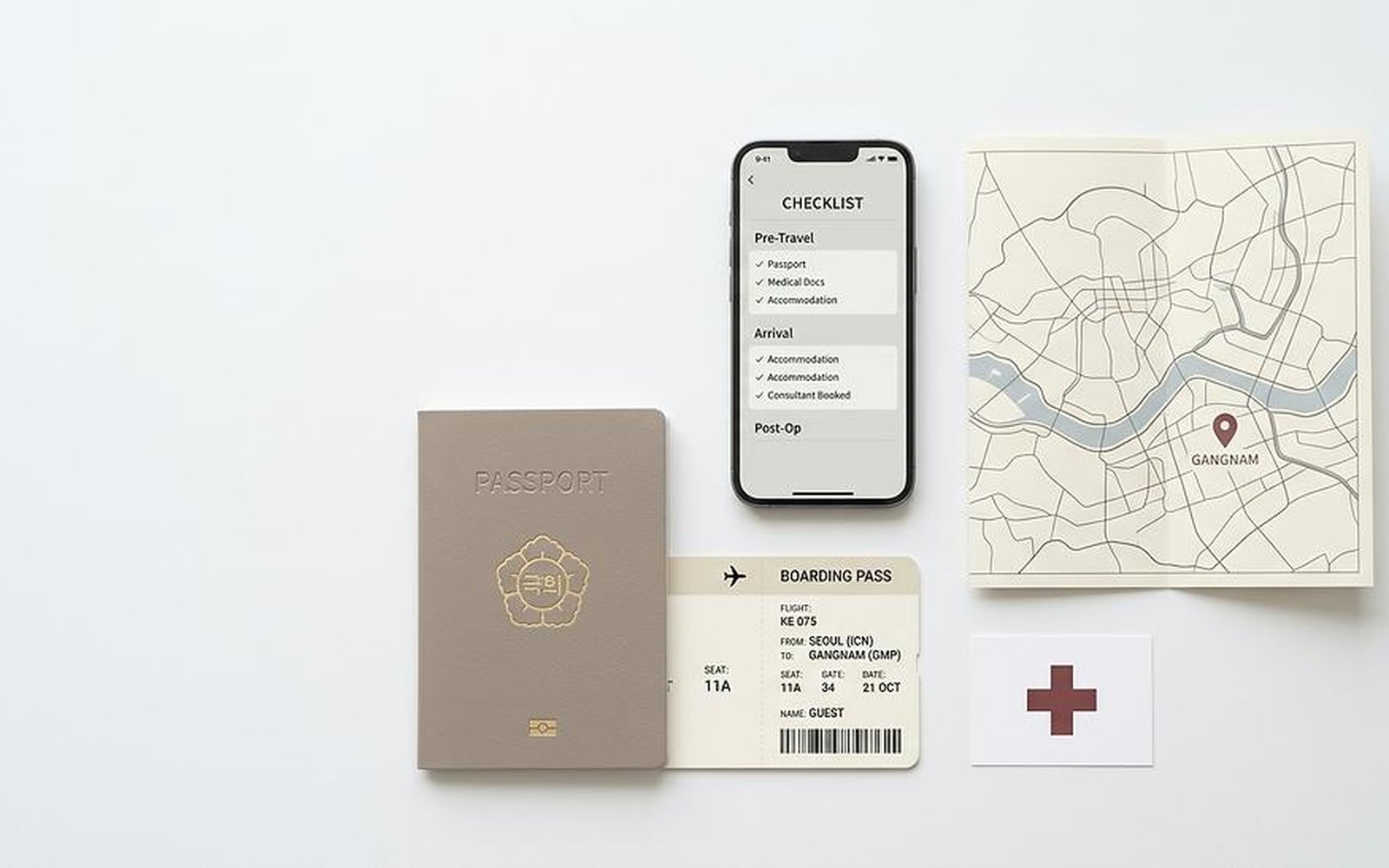
Preparing to Enter Korea for Medical Treatment
Entry, Documents & Arrival Preparation for International Patients
- Before departure
- Check current Korean entry requirements
- Medical visa
- Requirements depend on individual circumstances
- Documents
- Keep important hospital and medical information accessible
- Medication
- Check Korean rules before bringing controlled medicines
- Arrival schedule
- Allow sufficient time before medical appointments
- Airport transport
- Plan before traveling
- Special assistance
- Arrange in advance when needed
After confirming medical arrangements, international patients should prepare for entry into Korea and make sure their travel schedule allows enough time for appointments, treatment, and recovery.
Entry requirements can differ according to nationality, purpose of visit, and length of stay, so current requirements should always be checked through official Korean government sources before departure.
CHECK ENTRY REQUIREMENTS
Before traveling, verify whether you require:
- A visa
- Visa-free entry eligibility
- Other applicable entry authorization
- Passport validity
- Additional documentation related to your stay
Do not rely on old travel information because immigration requirements can change.
MEDICAL TREATMENT VISAS
Korea has visa categories that may apply to some foreign nationals entering for medical treatment.
Whether a medical-treatment visa is necessary or appropriate depends on the individual's circumstances.
Check with the Korea Visa Portal or a Korean embassy/consulate for the requirements applicable to your case.
DOCUMENTS TO CARRY
Keep important documents accessible during your trip.
These may include:
- Passport
- Visa or applicable entry documents
- Hospital appointment confirmation
- Hospital contact information
- Medical records requested by the hospital
- Medication information
- Insurance information
- Accommodation details
- Emergency contact information
Keep important medical documents in your carry-on luggage rather than checked baggage when practical.

BRINGING MEDICATION INTO KOREA
Travelers bringing medication should check Korean regulations before departure.
This is particularly important for narcotic, psychotropic, or other controlled medicines, which may be subject to additional requirements.
Do not assume that a prescription from another country automatically permits a medicine to be brought into Korea.
PLAN YOUR ARRIVAL
For important medical appointments, avoid unnecessarily tight connections between your flight arrival and hospital visit.
Allow time for:
Immigration → Baggage → Airport Transportation → Hotel Check-In → Rest → Hospital Appointment
Long-distance travel and time-zone changes can also affect how you feel after arrival.

TRANSPORTATION FROM THE AIRPORT
Before departure, determine how you will travel from the airport to your accommodation or hospital.
Options vary by destination and may include:
- Airport railroad
- Airport limousine bus
- Taxi
- Private transportation
- Hospital-arranged transportation when available
Confirm arrangements directly if your medical institution provides transportation assistance.
COMPANION & ACCESSIBILITY NEEDS
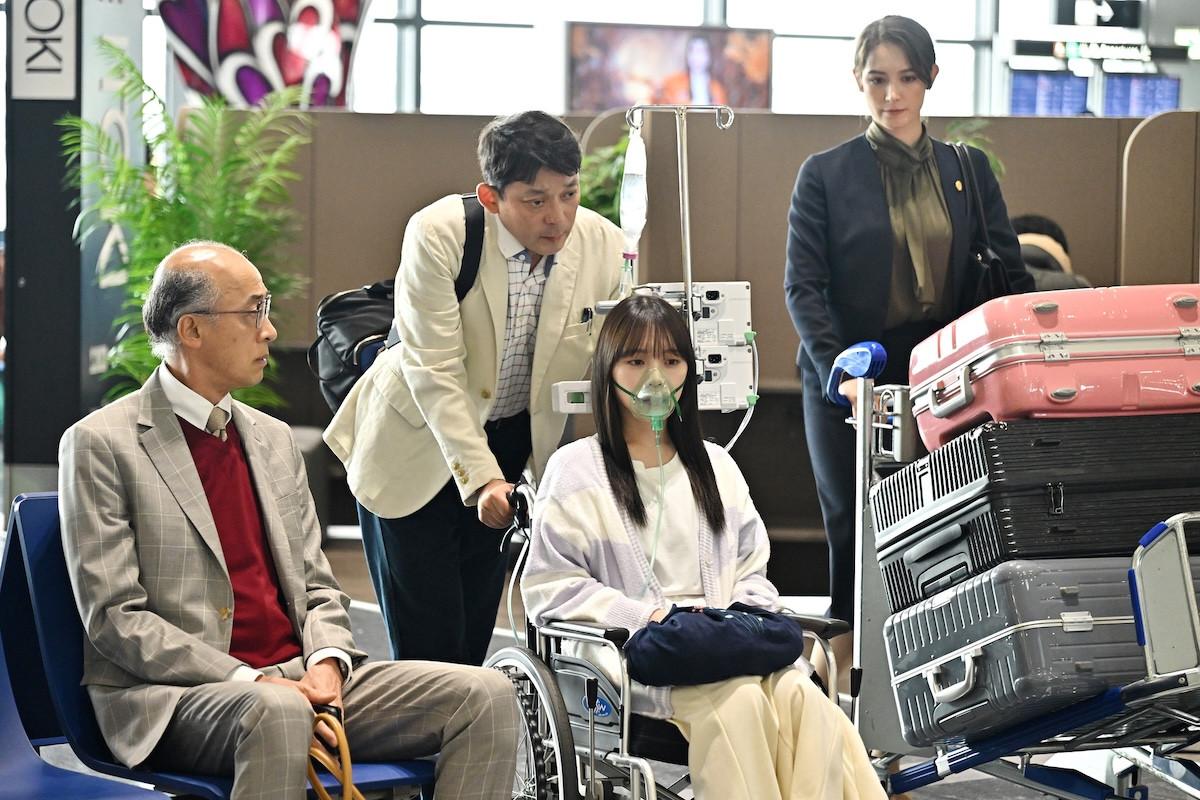
Patients with mobility limitations or those undergoing major procedures should discuss assistance requirements before traveling.
Depending on individual circumstances, consider:
Travel Companion → Accessible Transportation → Appropriate Accommodation → Post-Treatment Assistance
Official resources
Korea Visa Portal
www.visa.go.krKorea Immigration Service
www.immigration.go.krMedical Korea
www.medicalkorea.or.krMinistry of Food and Drug Safety (MFDS)
www.mfds.go.krASK KOREA Transit