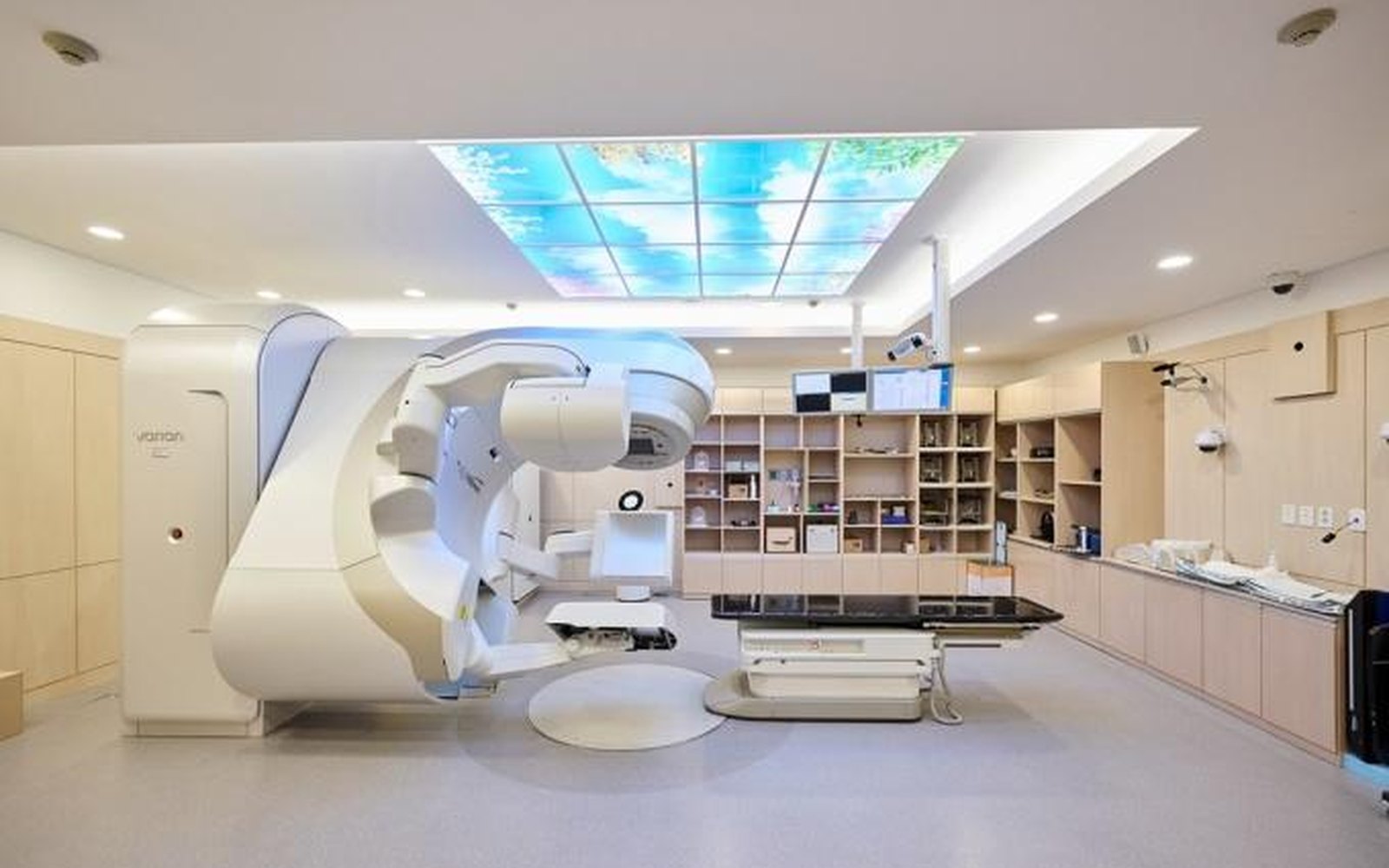
Urology in Korea
Specialized Care for the Urinary System & Male Reproductive Health
- Routine urinary problem
- Local urology clinic may be appropriate
- Kidney stones
- Treatment depends on size, location and symptoms
- Prostate condition
- Appropriate urologic evaluation is important
- Urologic cancer
- Specialized multidisciplinary care may be required
- Robotic surgery
- One treatment option, not automatically the best choice
- International patient
- Confirm specialist and record requirements before traveling
Korea has urology clinics and specialized departments in major medical centers providing diagnosis and treatment for conditions affecting the urinary system and male reproductive system.
Routine conditions may be treated at local urology clinics, while complex diseases can require specialized hospital care.
COMMON UROLOGIC CONDITIONS
Urologists may evaluate and treat:
- Kidney Stones
- Urinary Tract Conditions
- Prostate Disorders
- Bladder Conditions
- Urinary Incontinence
- Male Reproductive Conditions
- Erectile Dysfunction
- Male Infertility
- Kidney, Bladder & Prostate Tumors
- Other urologic conditions
KIDNEY STONES
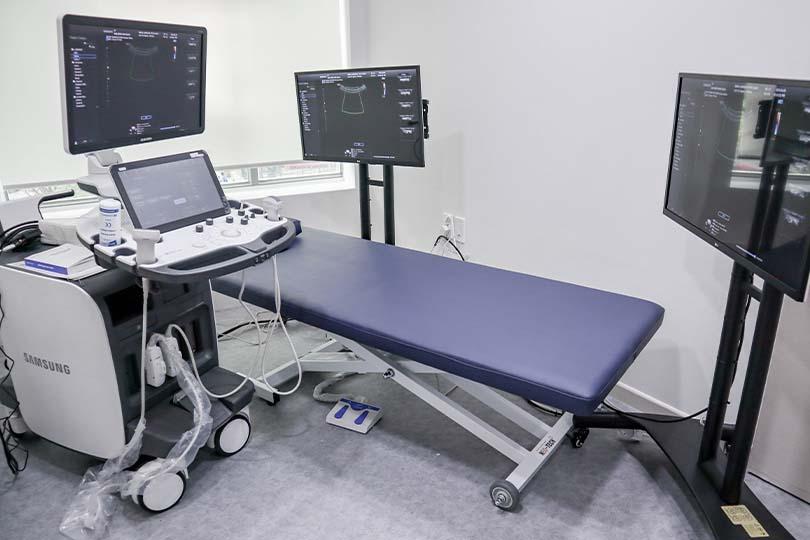
Evaluation for kidney stones may involve:
- Urine tests
- Blood tests
- Ultrasound
- CT
- Other examinations
Treatment depends on factors such as stone size, location, symptoms, and the patient's medical condition.
PROSTATE CARE
Urology departments may provide evaluation and treatment for prostate conditions, including:
Benign Prostate Conditions · Prostate Infections · Prostate Cancer
The appropriate examinations and treatment depend on the individual patient.
UROLOGIC CANCER
Major medical centers may provide multidisciplinary care for cancers involving the:
Prostate · Bladder · Kidney · Testis · Other Urologic Organs
Treatment may involve urology, oncology, radiology, pathology, and other specialties.
MINIMALLY INVASIVE & ROBOTIC SURGERY
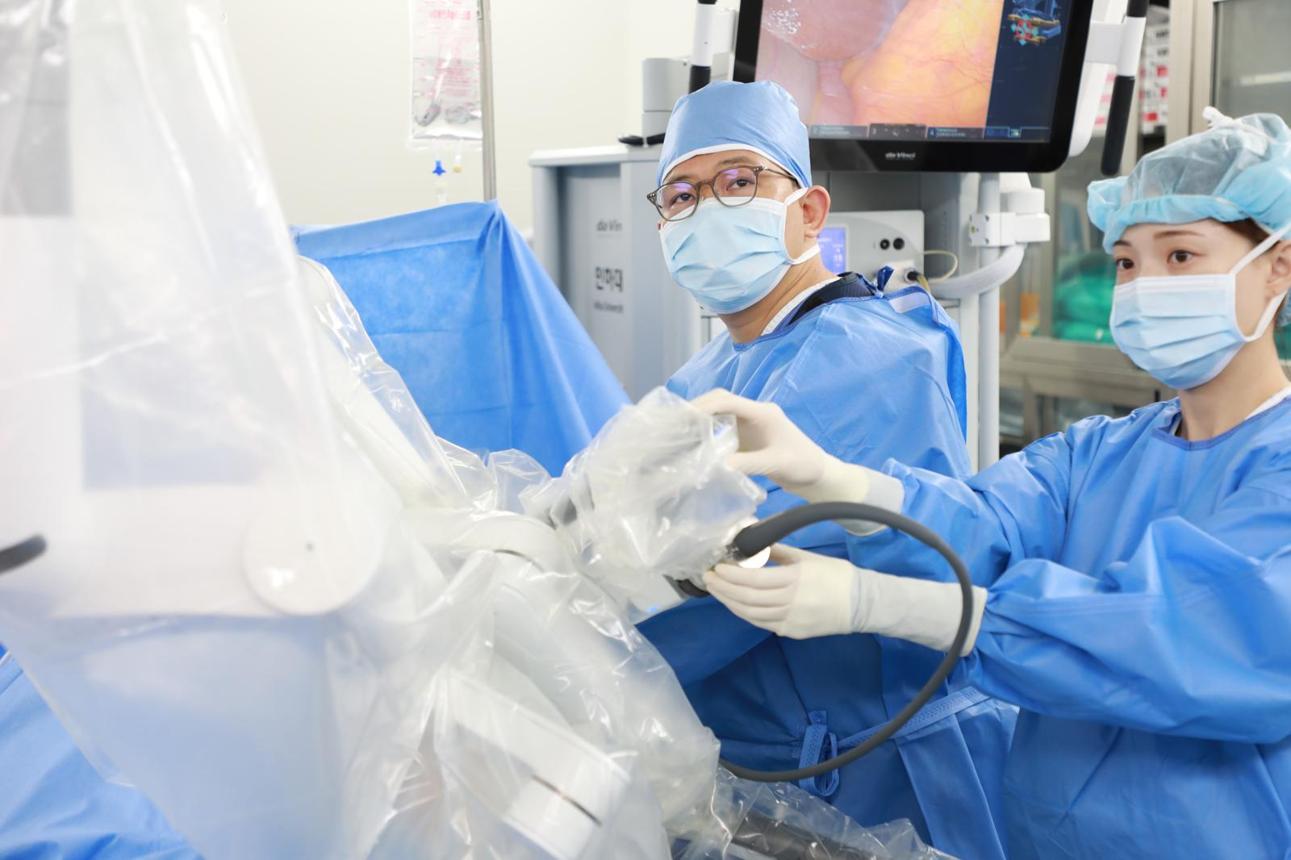
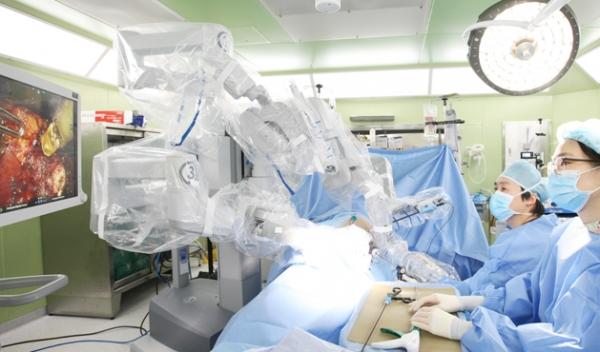
Some major hospitals use laparoscopic, endoscopic, or robotic surgical systems for selected urologic procedures.
The availability of a particular technology does not mean it is appropriate for every patient.
Treatment should be determined according to the diagnosis and individual medical circumstances.
INTERNATIONAL PATIENTS
For specialized treatment, prepare relevant records such as:
- Current diagnosis
- Laboratory results
- Ultrasound / CT / MRI
- Biopsy or pathology information when applicable
- Previous procedure or surgery records
- Current medications
Ask the hospital which records are actually required before sending them.
Official resources
Medical Korea
www.medicalkorea.or.krMinistry of Health and Welfare
www.mohw.go.krASK KOREA Transit