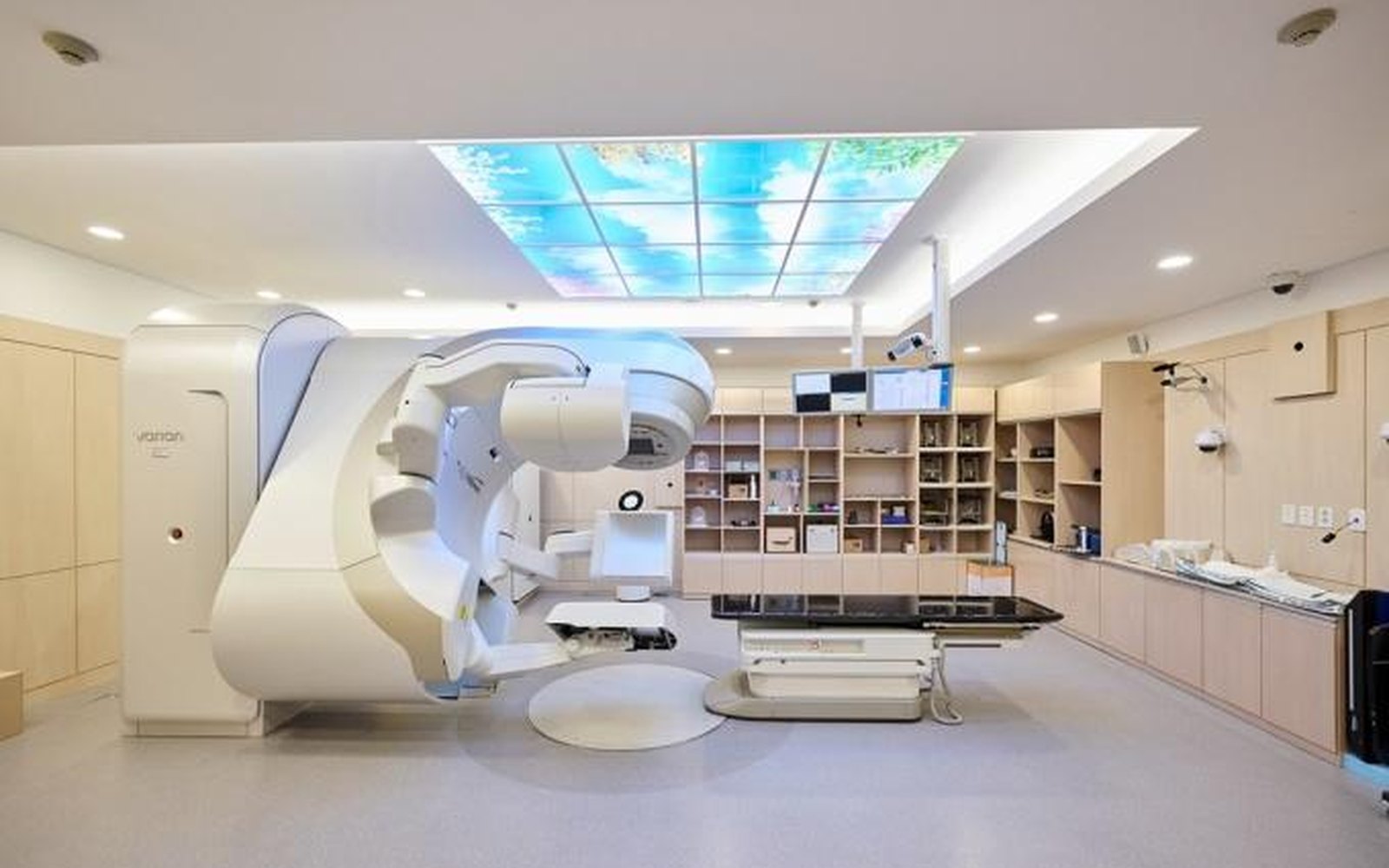
Rehabilitation Medicine in Korea
Recovery, Mobility & Functional Rehabilitation
- Purpose
- Restore function, mobility and independence
- Stroke / neurological condition
- Specialized rehabilitation may be needed
- After surgery
- Rehabilitation can be part of recovery
- Technology
- Supports treatment but does not replace clinical assessment
- Medical travel
- Consider the length of the rehabilitation program
- Returning home
- Plan continued rehabilitation when necessary
Korea has rehabilitation medicine departments and specialized rehabilitation centers that help patients restore mobility, function, independence, and quality of life after illness, injury, or surgery.
Rehabilitation programs should be based on the patient's individual medical condition and recovery needs.
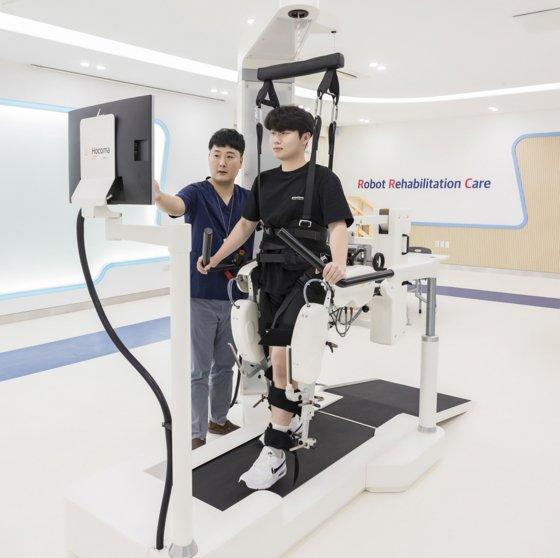
AREAS OF REHABILITATION
Rehabilitation medicine may support patients recovering from:
- Stroke
- Brain Injury
- Spinal Cord Injury
- Orthopedic Surgery
- Joint Replacement
- Spine Surgery
- Sports Injuries
- Neurological Disorders
- Amputation
- Cancer Treatment
- Other conditions affecting movement or function
PHYSICAL REHABILITATION
Depending on the patient's condition, a rehabilitation program may involve:
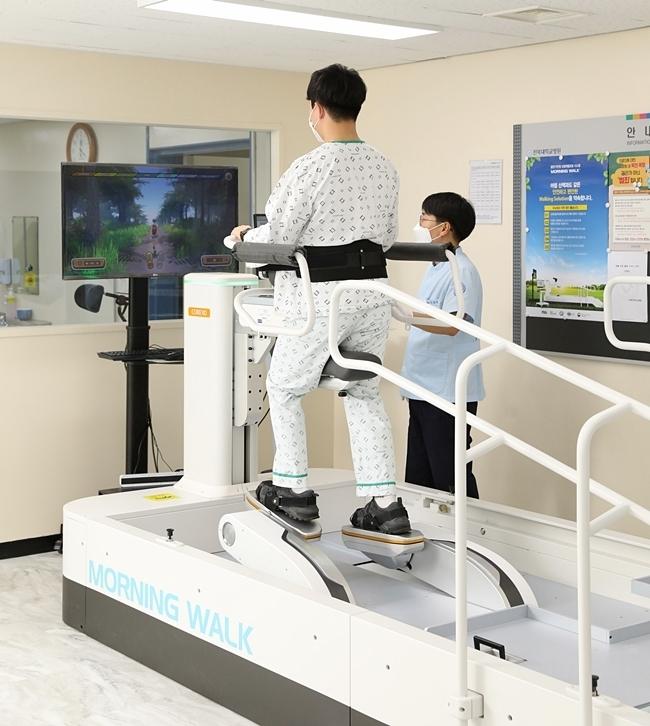
Physical Therapy → Strength Training → Balance Training → Walking & Mobility Training → Functional Recovery
The treatment plan and intensity vary for each patient.
NEUROLOGICAL REHABILITATION
Patients recovering from stroke, brain injury, spinal cord injury, or neurological disease may require specialized rehabilitation.
Programs may involve several professionals and can include:
- Mobility training
- Occupational therapy
- Speech and swallowing rehabilitation
- Balance training
- Daily living skills
- Other individualized therapies
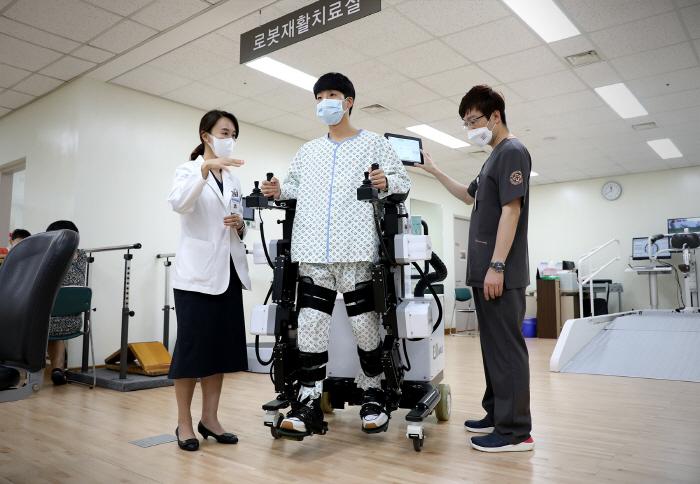
ADVANCED REHABILITATION TECHNOLOGY
Some rehabilitation centers use technologies such as:
- Robotic gait training
- Computer-assisted rehabilitation
- Motion analysis
- Electrical stimulation
- Specialized mobility equipment
- Other rehabilitation technologies
Technology should support an appropriate clinical rehabilitation plan rather than determine treatment by itself.
REHABILITATION AFTER SURGERY
Rehabilitation can be an important part of recovery following orthopedic, spine, neurological, or other major procedures.
International patients should ask whether rehabilitation is expected before arranging their return travel.
LENGTH OF TREATMENT
Unlike a single consultation, rehabilitation may require repeated sessions over days, weeks, or longer.
Before traveling to Korea specifically for rehabilitation, confirm:
- Initial assessment
- Recommended program
- Treatment frequency
- Expected duration
- Accommodation needs
- Mobility requirements
- Follow-up after returning home
CONTINUING REHABILITATION AT HOME
Some patients will need continued rehabilitation after leaving Korea.
Before departure, ask for relevant treatment information that can be shared with healthcare professionals in your home country.
Official resources
Medical Korea
www.medicalkorea.or.krMinistry of Health and Welfare
www.mohw.go.krASK KOREA Transit