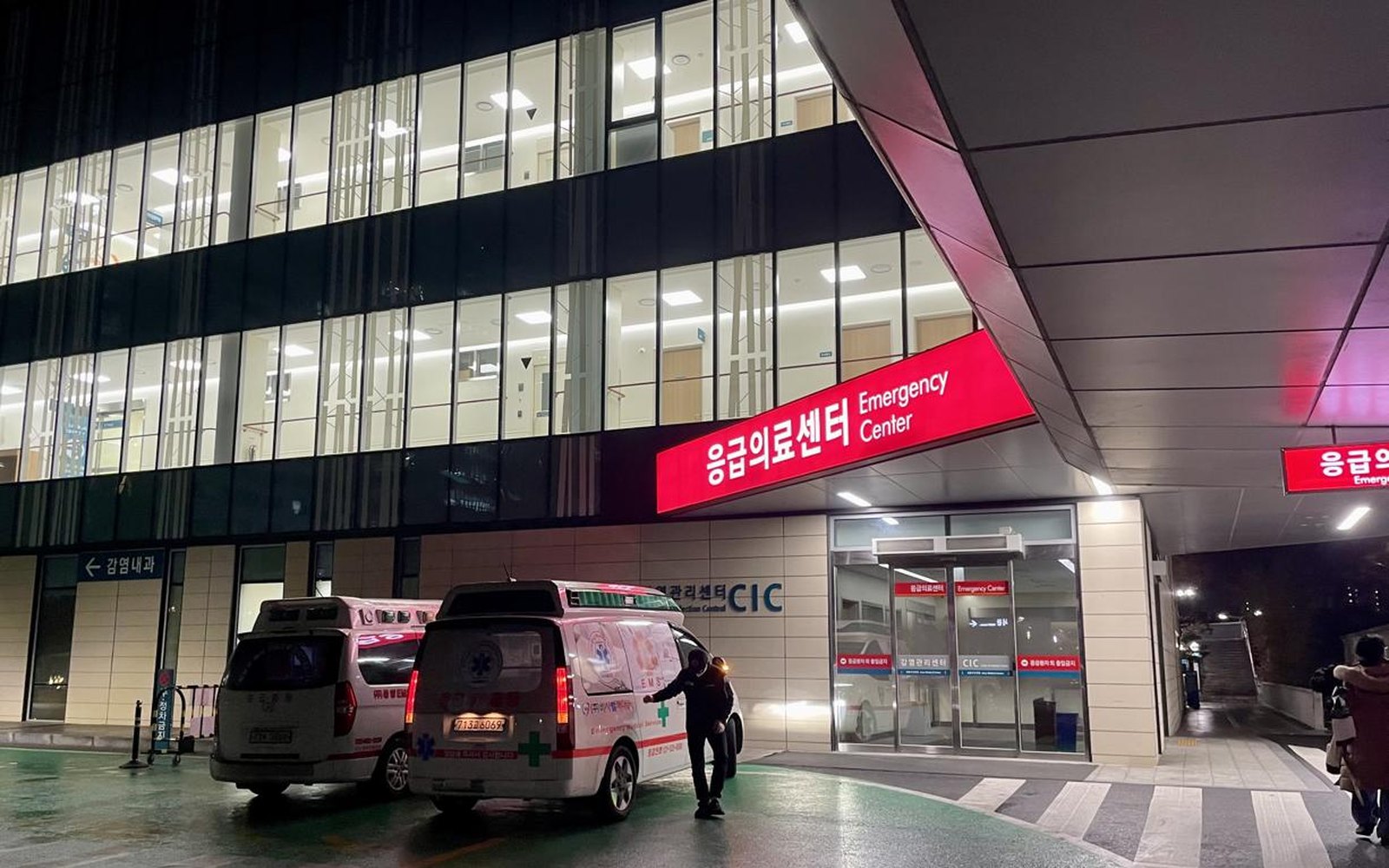
Using An Emergency Room in Korea
What International Patients Should Expect
- Serious emergency
- Call 119 or go to an emergency department
- Arrival
- Medical staff assess urgency
- Treatment order
- Based on medical condition, not arrival order
- Bring when possible
- ID + insurance + medication information
- Costs
- May differ from normal outpatient treatment
- Language support
- Availability varies by hospital and time
Emergency departments in Korea provide medical care for patients who require immediate or urgent assessment and treatment.
Understanding how an emergency room works can help international patients know what to expect.
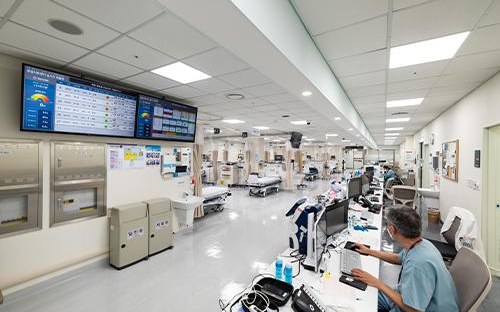
WHEN TO USE AN EMERGENCY ROOM
Emergency rooms are intended for serious or urgent medical conditions such as:
- Severe chest pain
- Difficulty breathing
- Loss of consciousness
- Suspected stroke
- Serious injury
- Heavy bleeding
- Severe burns
- Serious allergic reactions
- Sudden severe symptoms requiring immediate evaluation
For minor or non-urgent conditions, a local clinic or appropriate outpatient medical service may be more suitable.
ARRIVING AT THE EMERGENCY ROOM
Patients may arrive:
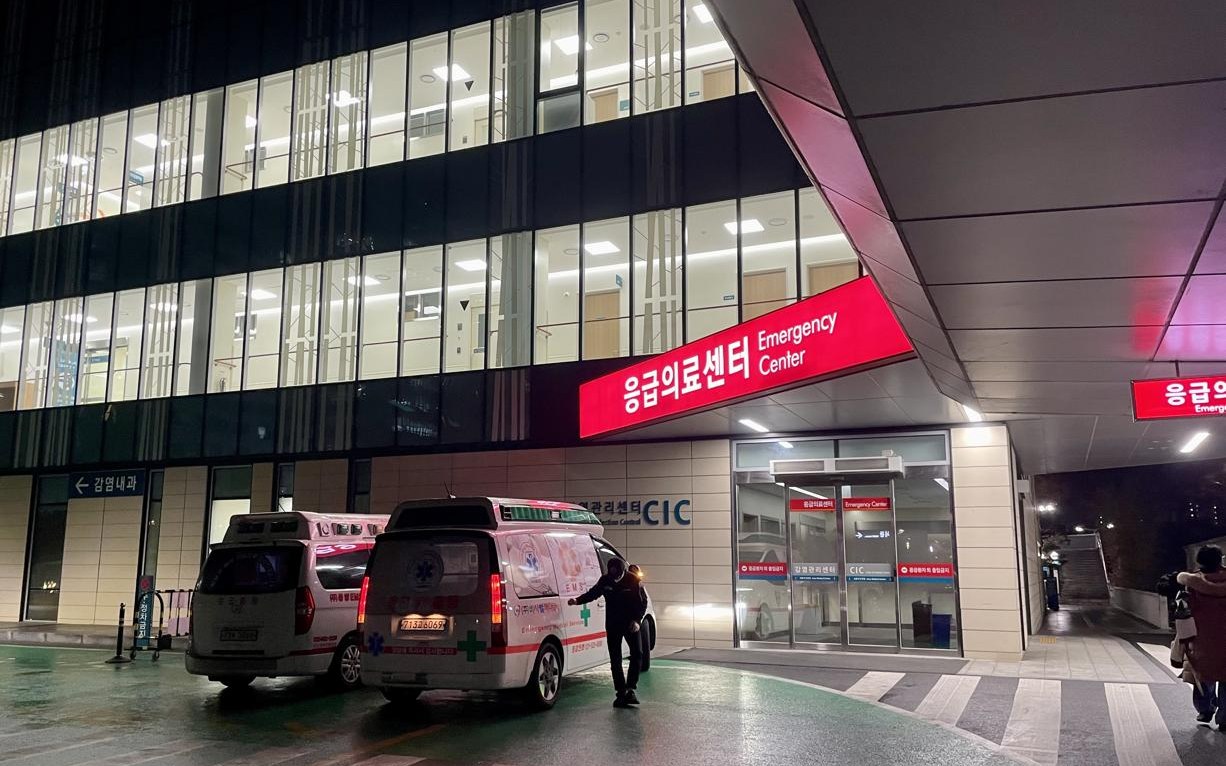
By 119 Ambulance
or
Directly at the Emergency Department
Upon arrival, medical staff assess the patient's condition and determine the urgency of care.
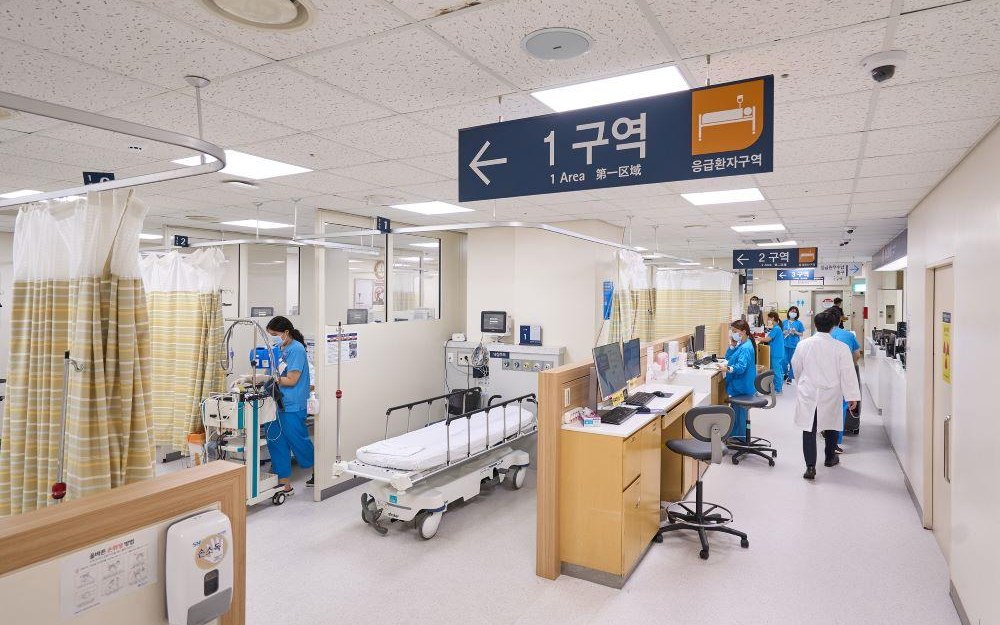
TRIAGE
Emergency departments prioritize patients according to medical urgency, not simply arrival time.
This means:
More Critical Condition → Higher Priority
Waiting times can therefore vary considerably.
REGISTRATION
When circumstances allow, you may be asked to provide:
- Passport or identification
- Residence Card, if applicable
- Contact information
- Insurance information
- Medical history
- Current medications
- Allergy information
In a critical emergency, obtaining administrative information should not delay necessary emergency assessment.
EXAMINATION & TESTING
Depending on the patient's condition, emergency care may involve:
Medical Assessment → Blood Tests → Imaging → Emergency Treatment → Specialist Consultation
The patient may then be:
Discharged → Admitted to Hospital → Referred for Further Treatment
depending on the medical situation.
COSTS
Emergency room charges can differ from routine outpatient care.
Final costs depend on factors such as:
- Medical condition
- Tests performed
- Treatment provided
- Hospital
- Insurance status
- Admission or hospitalization
International patients should keep relevant receipts and medical documentation when needed for insurance claims.
LANGUAGE SUPPORT
Foreign-language assistance varies by hospital and time of day.
Large hospitals may have international patient services, but these services may not operate in the same way around the clock.
In an emergency, communicate essential information as clearly as possible:
Symptoms · Allergies · Medication · Medical History
Official resources
Emergency Medical Information — E-GEN
www.e-gen.or.krNational Fire Agency
www.nfa.go.krMinistry of Health and Welfare
www.mohw.go.krASK KOREA Transit