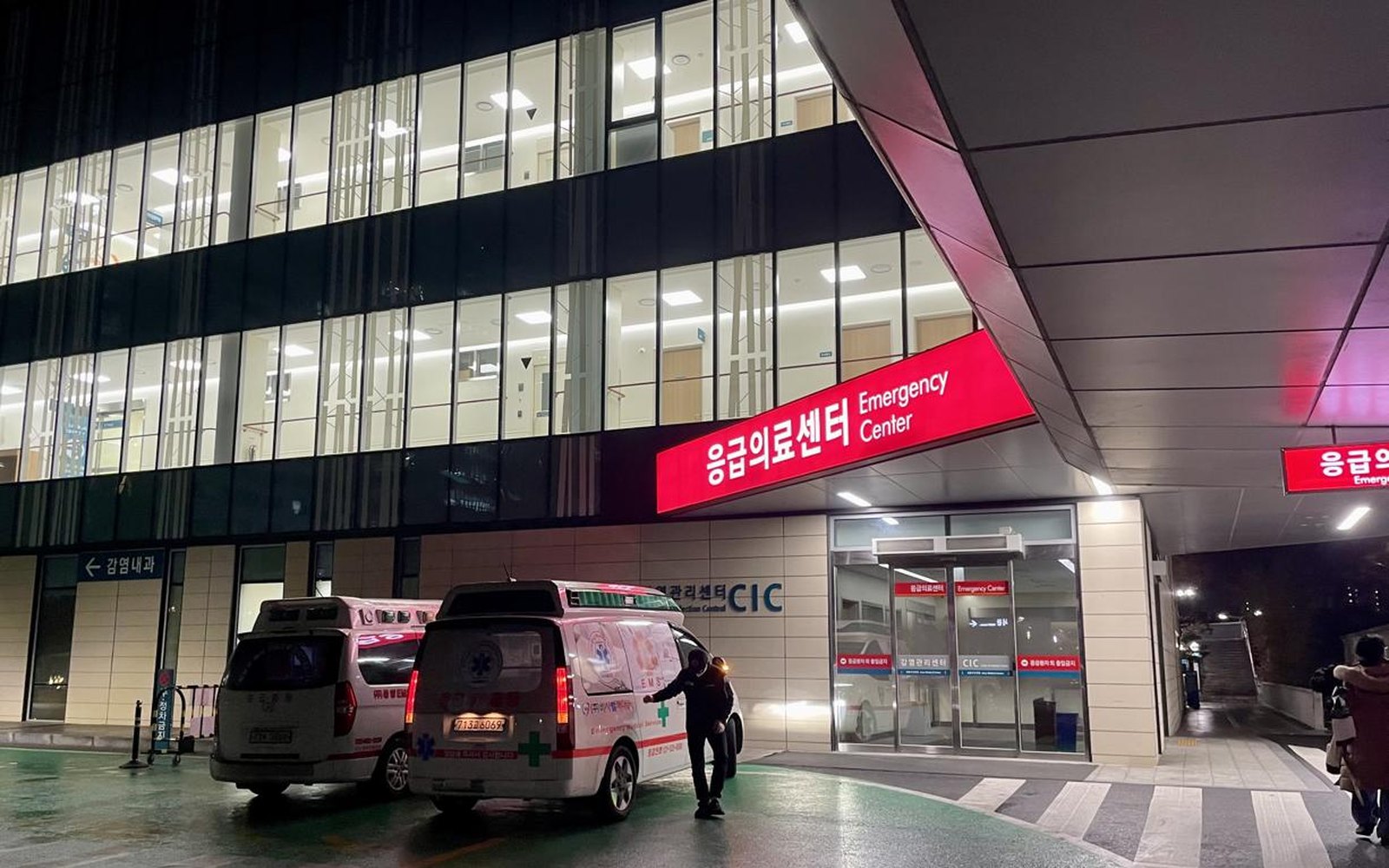
Medical Emergencies in Korea
What International Visitors Should Do in an Emergency
- Medical Emergency
- Call 119
- Give
- Location + patient's condition
- Ambulance
- Emergency responders assess the situation
- Emergency Room
- Patients are prioritized by medical urgency
- Documents unavailable
- Do not delay emergency assistance
- Language difficulty
- Communicate essential information clearly
If you experience a serious medical emergency in Korea, knowing what to do can save valuable time.
Korea operates a nationwide emergency response system, and 119 is the primary number for fire, rescue, and emergency medical assistance.
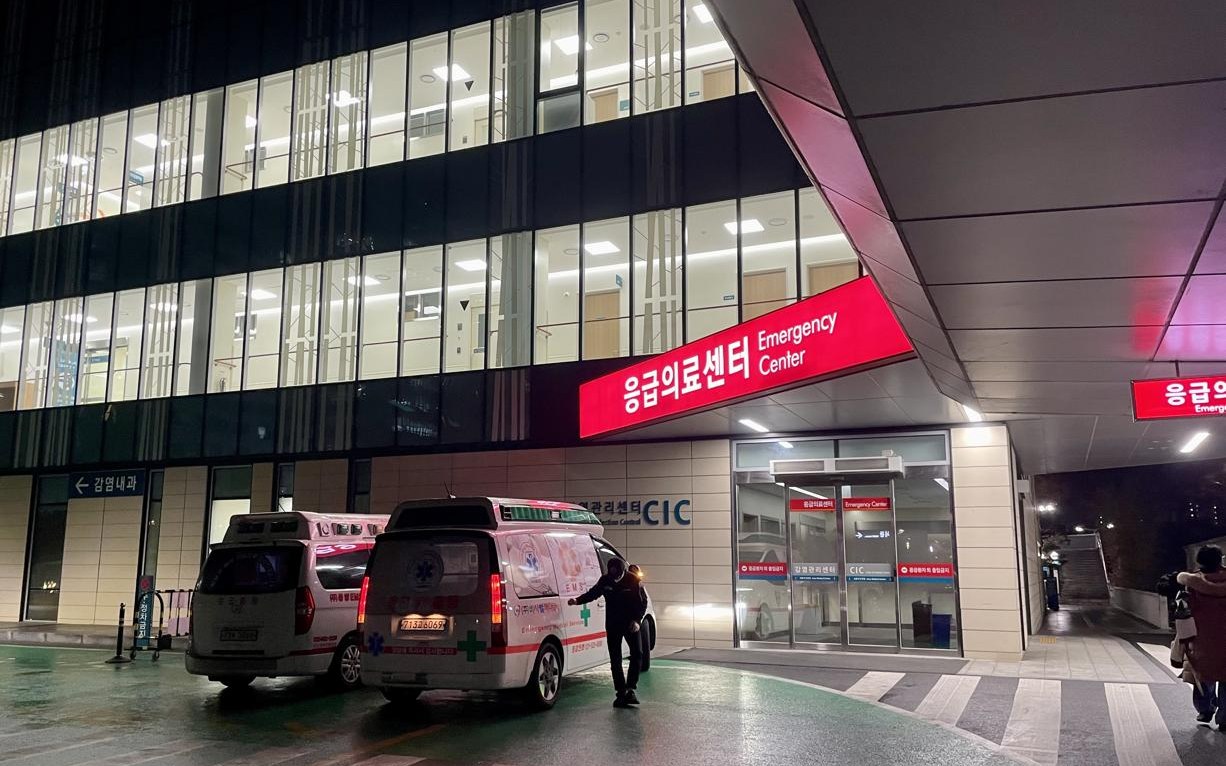
CALL 119
For a serious or life-threatening medical emergency:
Call 119
Emergency responders can dispatch an ambulance and provide assistance based on the situation.
Examples of potentially serious emergencies include:
- Severe difficulty breathing
- Loss of consciousness
- Severe chest pain
- Major injuries or heavy bleeding
- Suspected stroke
- Serious burns
- Severe allergic reactions
- Other potentially life-threatening conditions
Do not delay emergency assistance while searching for a particular hospital.
INFORMATION TO PROVIDE
When requesting emergency assistance, provide as much clear information as possible:
Your Location
Give the building name, hotel, landmark, road address, or other identifiable location.
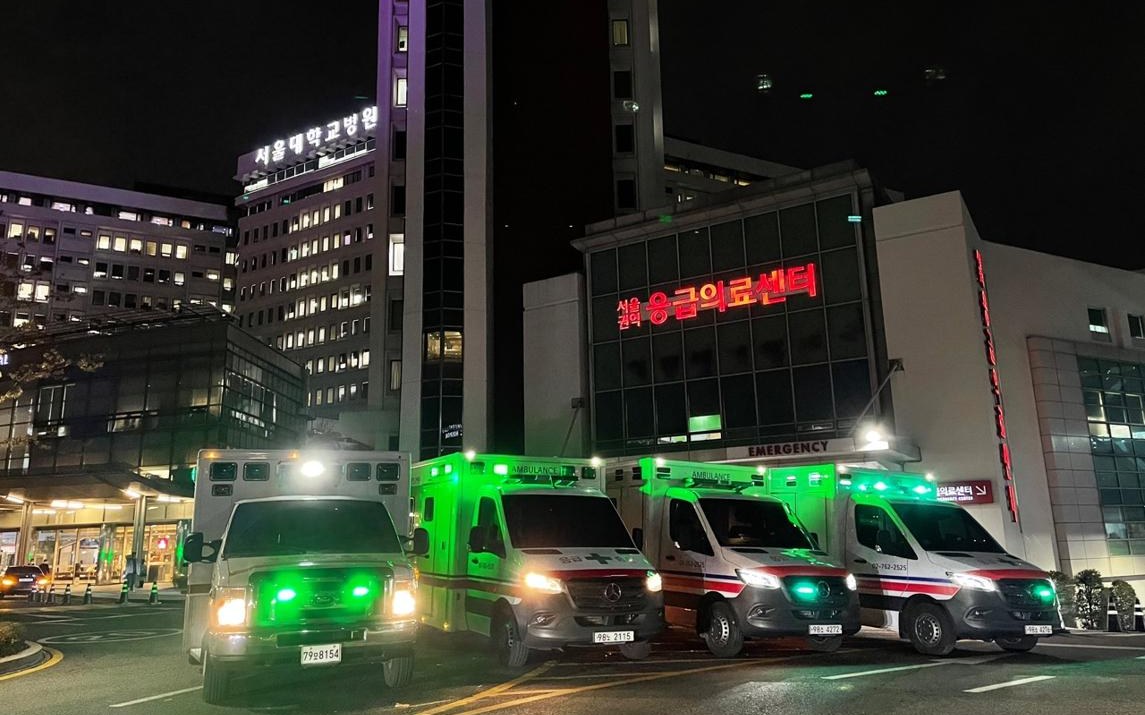
What Happened
Briefly describe the emergency.
Patient's Condition
Explain important symptoms or injuries.
Contact Information
Provide a reachable telephone number when requested.
AMBULANCE TRANSPORT
Emergency medical personnel will assess the situation and determine appropriate assistance and transportation.
The hospital receiving the patient may depend on the patient's condition, location, available emergency services, and other circumstances.
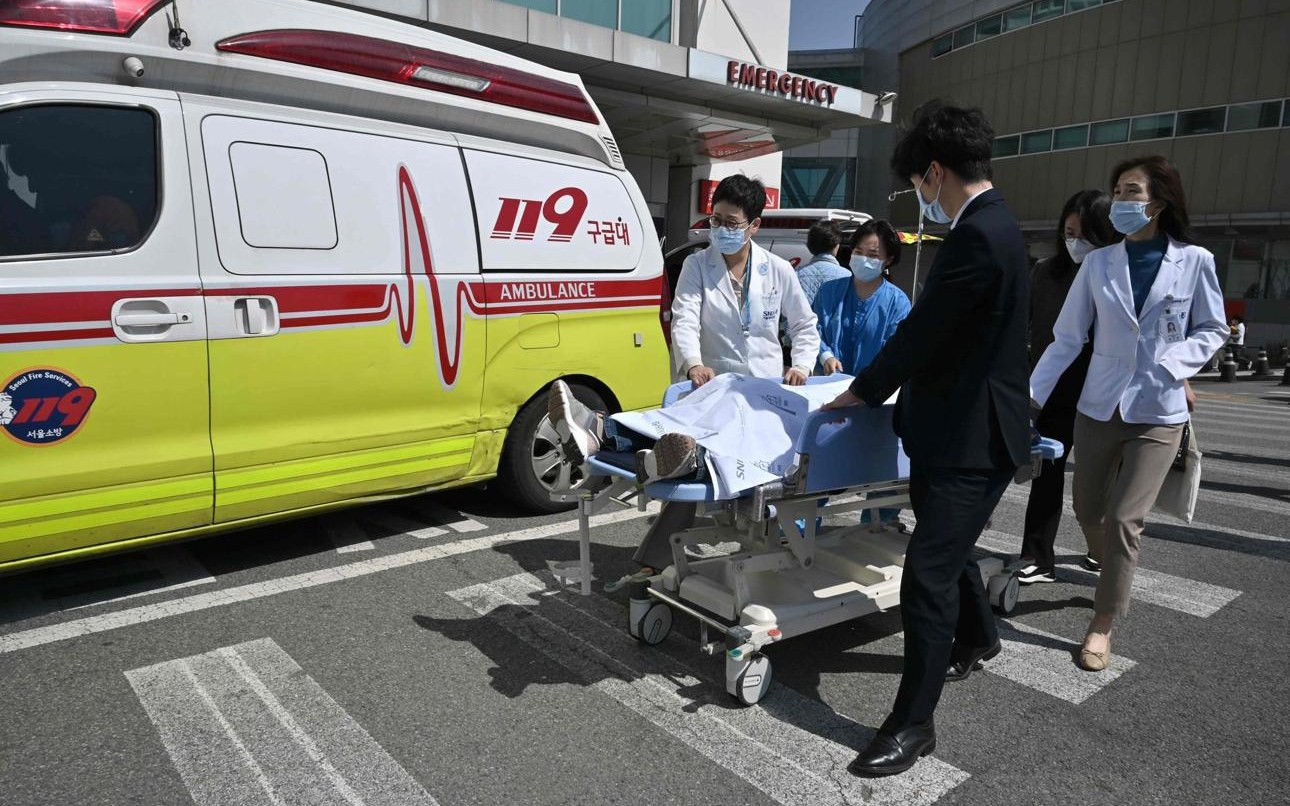
EMERGENCY ROOMS
Emergency departments are designed for patients who require urgent medical assessment or treatment.
Patients are generally prioritized according to medical urgency rather than simply the order in which they arrive.
This means a patient who arrives later with a more critical condition may receive treatment first.
INTERNATIONAL VISITORS
When possible, have available:
- Passport or identification
- Residence Card, if applicable
- Insurance information
- Current medication information
- Allergy information
- Emergency contact information
However, do not delay seeking emergency help simply because these documents are unavailable.
LANGUAGE CONCERNS
Language support can vary by situation and medical institution.
If communication is difficult, provide simple and clear information about:
Location · Symptoms · Injury · Allergies · Medication
For complex medical discussions, ask the hospital whether interpretation assistance is available.
Official resources
Emergency Medical Information — E-GEN
www.e-gen.or.krMinistry of Health and Welfare
www.mohw.go.krNational Fire Agency
www.nfa.go.krASK KOREA Transit