Off-the-Path Korea
Go beyond the obvious and discover another side of Korea — quieter cities, coastal towns, islands, mountain valleys and regional food, planned realistically rather than romantically.
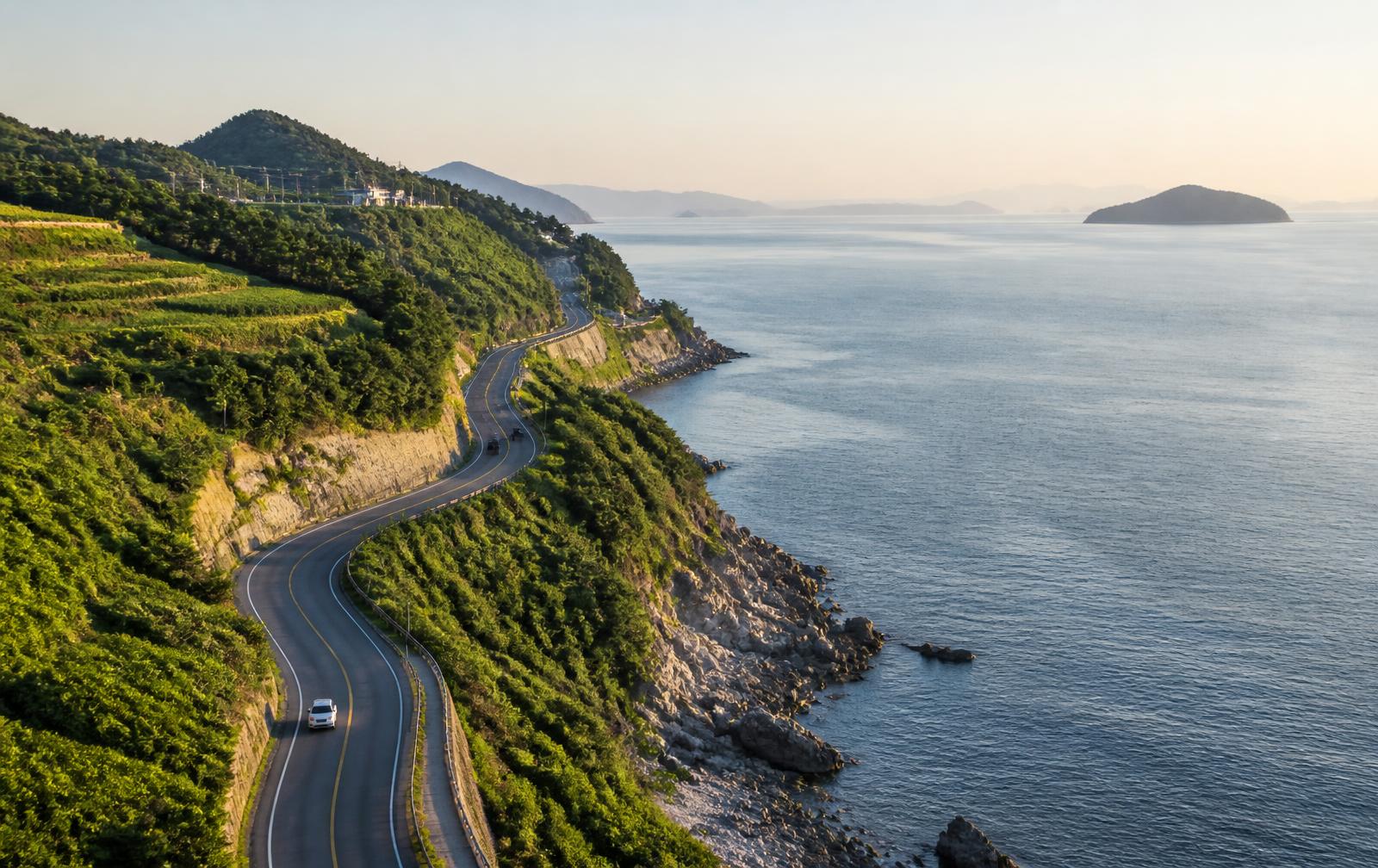
Quick Summary
Korea's famous destinations are famous for good reasons, and a first trip should include them. But the country is small, well connected and unusually varied, so adding one or two quieter regions changes the shape of a trip completely. This guide is about how to do that well — and about being honest regarding what it costs you in planning effort.
Key takeaways
- What you gain: quieter environments, distinct regional food, local culture, different landscapes, smaller historic communities and a more varied trip overall
- What it asks of you: more transportation planning, longer travel times, fewer English-language services and earlier return planning
- Timetables thin out outside major corridors — the last train or bus of the day is the single most important detail to check
- Seasonal schedules matter, especially for ferries, mountain access and rural attractions
- One quieter destination done properly beats three rushed ones; regional Korea rewards a slower pace
Official resources
- Korail (korail.com) — official KTX and conventional rail timetables and booking
- Kobus (kobus.co.kr) — official express bus network and schedules
- Bustago (bustago.or.kr) — official intercity bus schedules to smaller towns
- Visit Korea (english.visitkorea.or.kr) — official regional destination information
The Complete Guide
What off-the-path actually means here
This guide does not treat popular places as mistakes, and it does not call well-known destinations hidden. Off-the-path here means somewhere that is genuinely less visited by international travellers, genuinely worth the journey, and realistically reachable by public transport or a straightforward drive. Where a place needs real effort, this page says so.
Choose your off-the-path style
Most travellers enjoy regional Korea more when they choose one theme rather than sampling everything. Pick the style that matches how you like to spend a day, then choose a destination that supports it.
Historic Korea
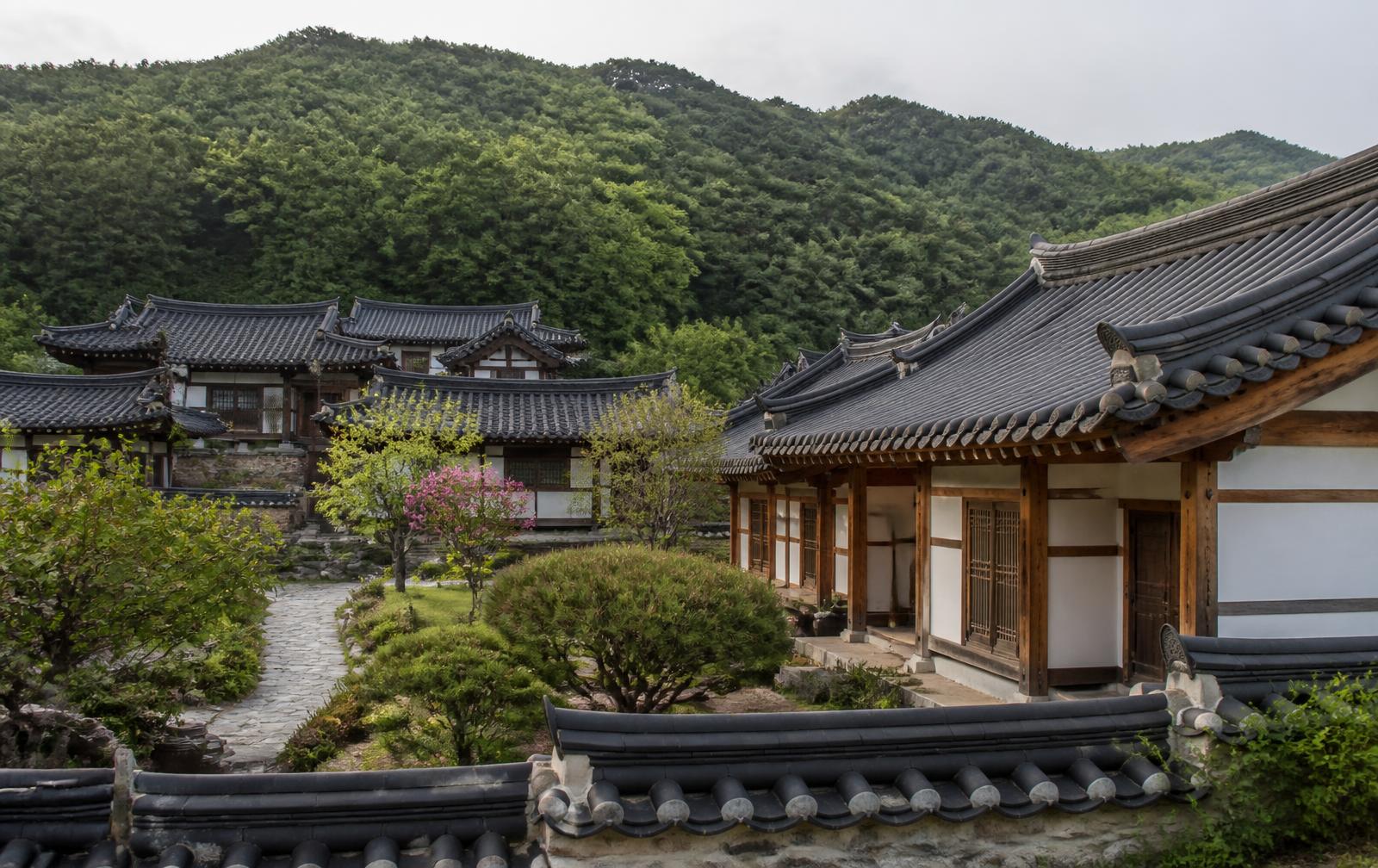
Smaller historic towns, traditional villages and heritage environments where the architecture still sits in its original landscape rather than inside a modern city. These are quiet, low-rise and best explored slowly on foot, usually with a single core area plus one or two outlying sites reached by local bus or taxi. See the ASK KOREA Heritage Guide for site-level detail.
Coastal Korea
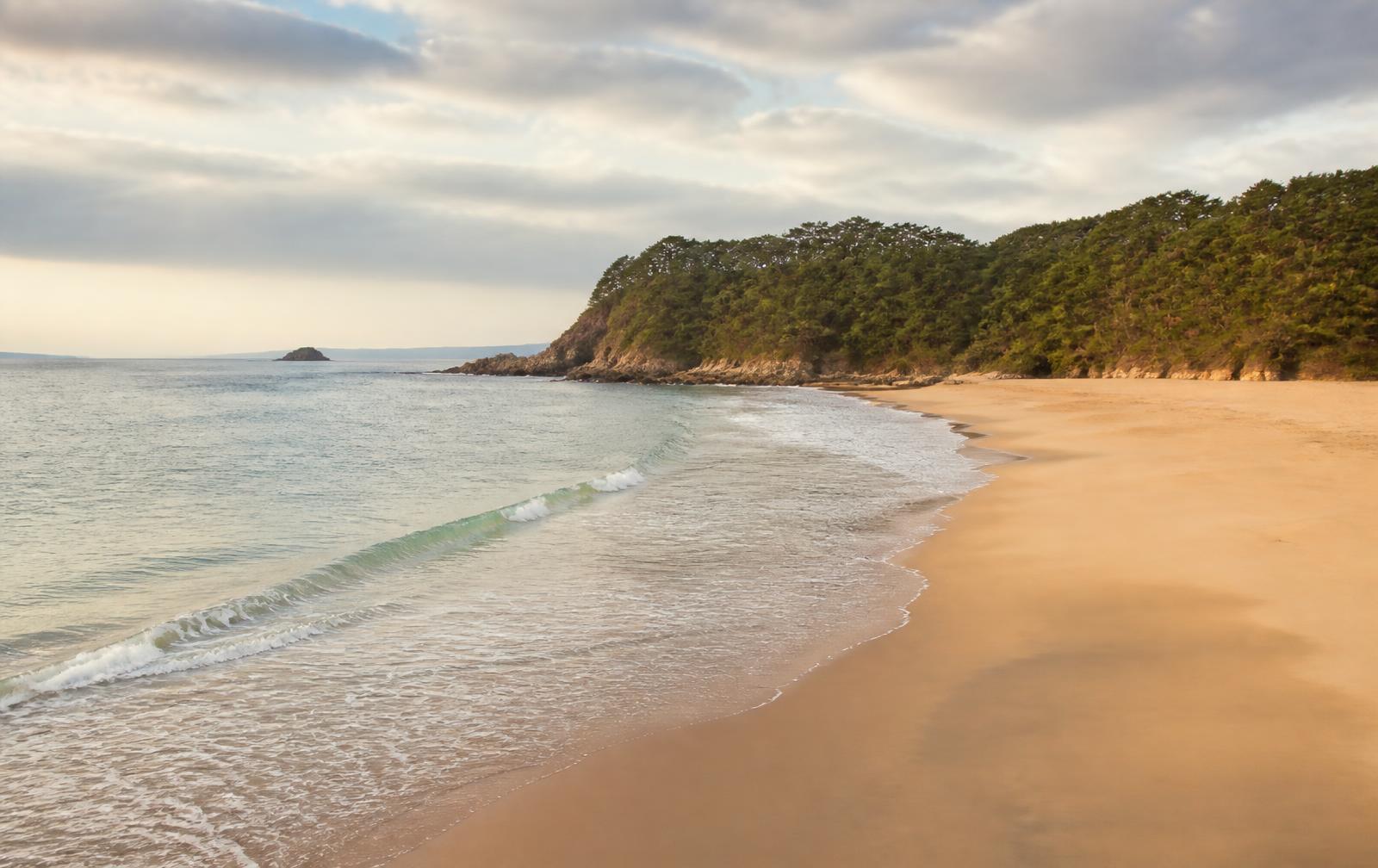
Fishing towns, harbours, coastal walking paths and quieter seaside destinations. Korea has an enormous coastline and only a small part of it is busy. Expect working ports rather than resorts, excellent seafood, and weather that shapes the day more than any itinerary does.
Mountains and nature
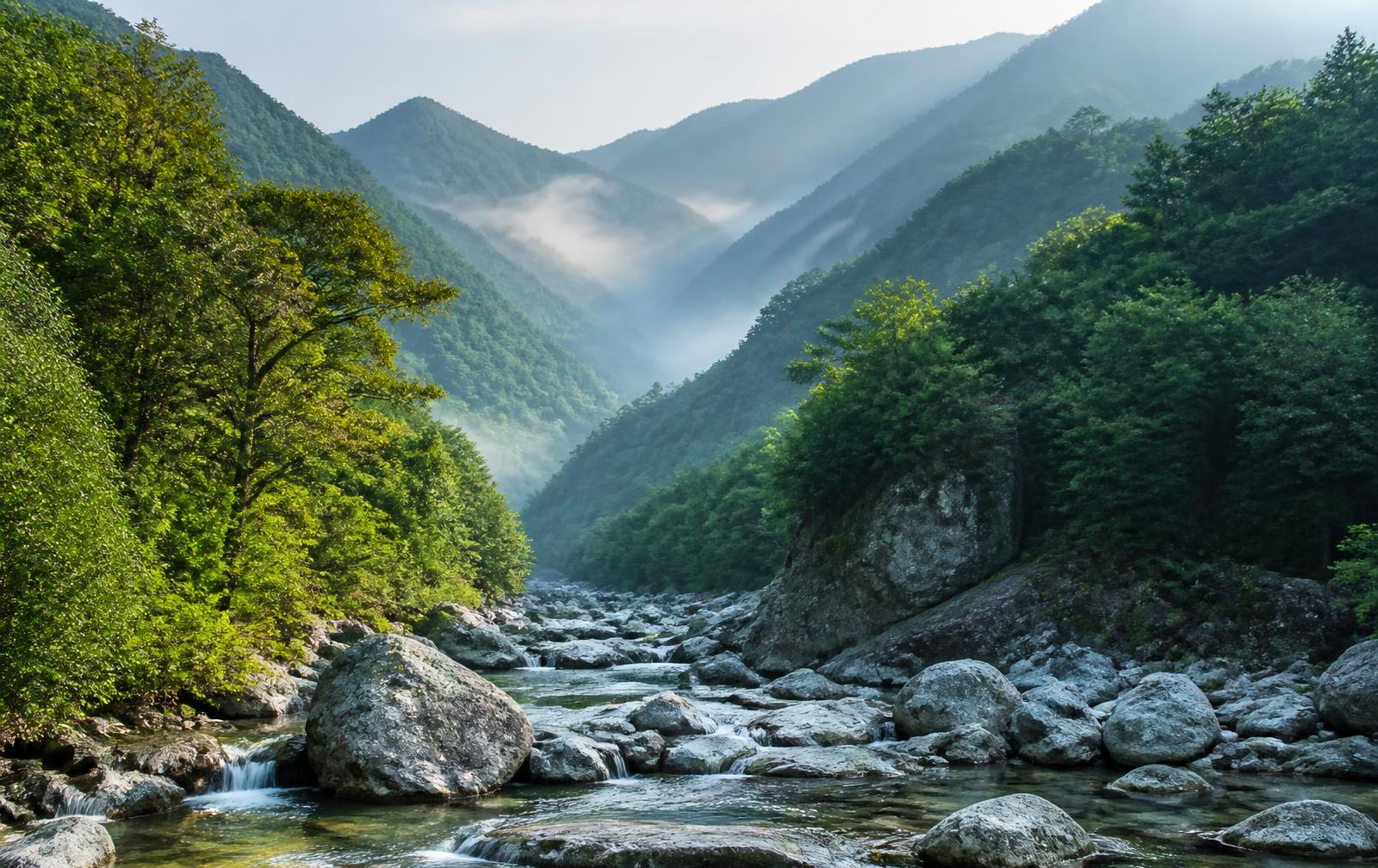
National parks, forest valleys, trails and farming landscapes. Roughly two-thirds of Korea is mountainous, so nature is rarely far away, but access is the variable: park gateway towns are usually served by bus, while trailheads and valleys may need a local bus, taxi or car. The ASK KOREA Nature Guide covers parks, mountains and trails in detail.
Local food journeys
Regional specialities, traditional markets and destinations worth visiting partly for what is on the table. Korean food is strongly regional, and many dishes are still associated with a particular city or coast. Treat this as a reason to travel, not as a search for a single famous restaurant.
Slow Korea
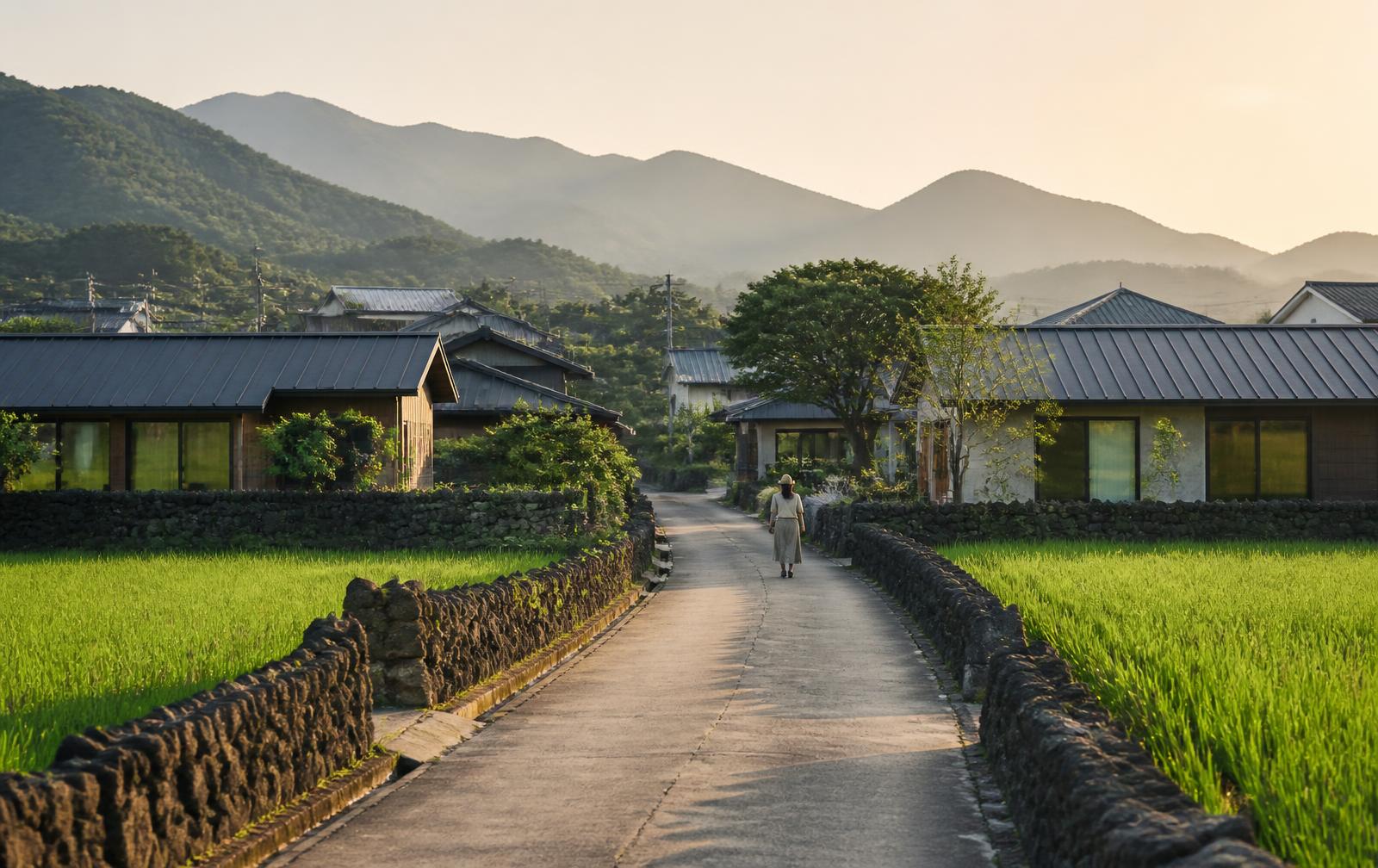
Smaller cities and towns suited to relaxed exploration rather than checklist tourism: one neighbourhood, one market, one café, one riverside or coastal walk. This is the style most travellers underestimate and most end up remembering.
Islands and remote escapes
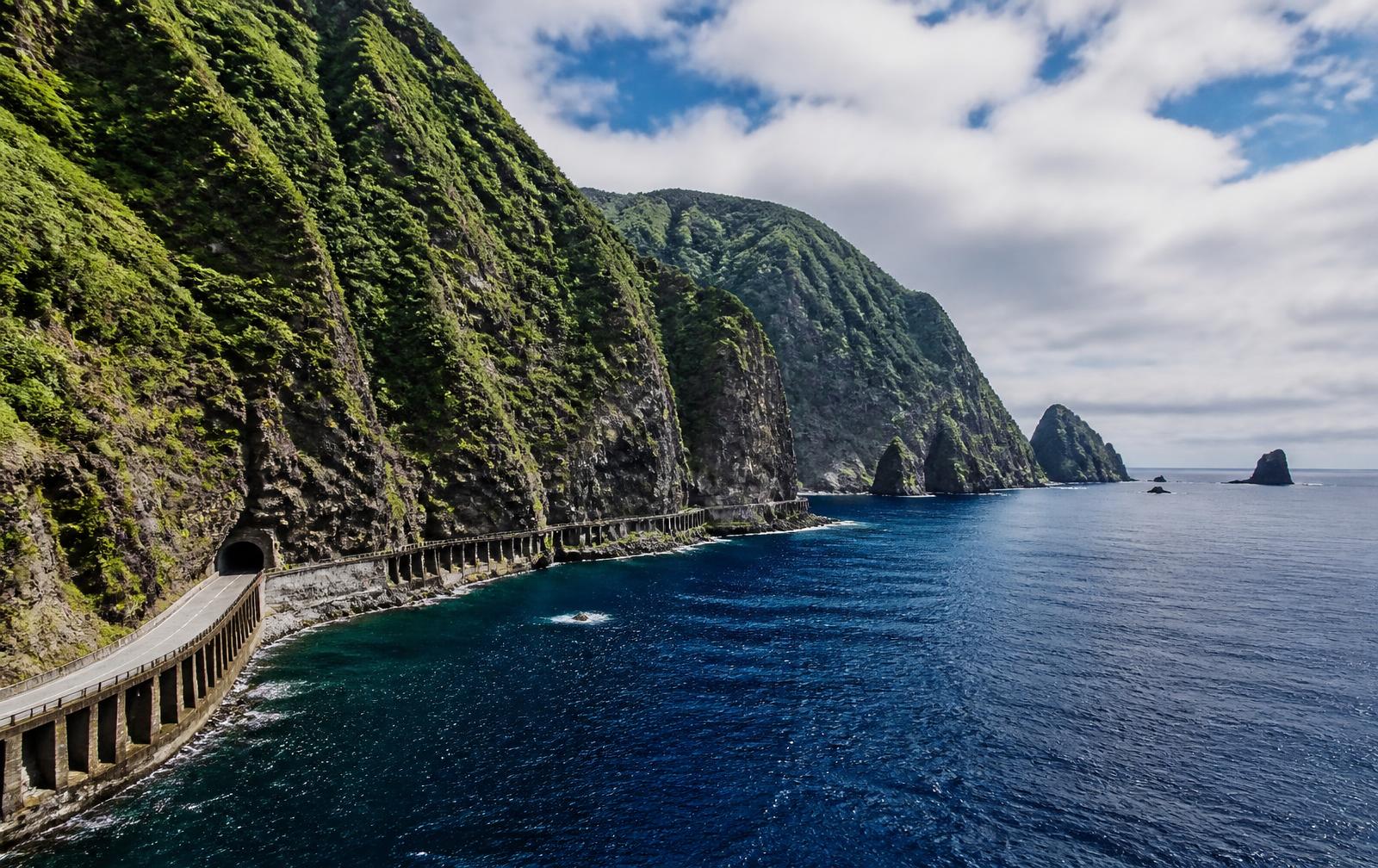
Korea has thousands of islands and many are served by regular passenger ferries. Some are bridge-connected and effectively road trips; others depend entirely on sailings that can be cancelled by weather. Islands are the one category where an overnight stay is usually the safer plan. The ASK KOREA Islands section covers individual islands.
Destinations beyond the standard route
The regions below appear in ASK KOREA's existing destination coverage and are all reachable by public transport, though with different levels of effort. Use this table to shortlist, then open the relevant destination guide for specifics.
| Destination | Character | Suits which style |
| Andong | Traditional villages, wooden architecture, river landscapes, strong local food identity | Historic Korea, slow travel, food |
| Gongju | Ancient capital heritage, tombs and fortress walls in a small, calm riverside city | Historic Korea, day trips |
| Gunsan | Early-modern port architecture, harbour atmosphere, nearby island access | Slow Korea, coastal, food |
| Taean | West-coast peninsula of beaches, dunes, pine forest and tidal flats | Coastal Korea, nature |
| Haenam | Deep south-west: temples, mountains and the country's southern coastal edge | Nature, heritage, slow travel |
| Yeosu | Island-and-bridge seascapes, harbour, coastal viewpoints and seafood | Coastal Korea, food |
| Namhae | Rural island of terraced coastal farmland, small villages and winding sea roads | Slow Korea, coastal, driving |
| Geoje | Large bridge-connected island with cliffs, coastal parks and ferry links | Coastal Korea, islands |
| Gangneung | East-coast beaches, pine forest, coffee culture and mountain access inland | Coastal Korea, slow travel |
| Sokcho | Coast plus high granite mountains within a short distance; strong autumn appeal | Nature, coastal, seasonal travel |
| Areas around Gyeongju | Quieter temple, village and countryside sites away from the main historic core | Historic Korea, day trips |
| Smaller Jeju communities | Inland villages, oreum, harbours and rural coastline away from the resort strips | Slow Korea, nature, coastal |
| Ulleungdo | Remote volcanic island with dramatic cliffs; a genuine multi-day commitment | Islands, remote escapes |
These are examples rather than a required list, and none of them is obscure to Koreans — they are simply less common on international itineraries.
Day trips vs overnight trips
The deciding factors are travel time, service frequency and how much there is to do after dark. Work out the return journey before you commit to the destination, not afterwards.
| Format | Works when | Watch out for |
| Half-day | The destination is on a fast corridor and has one compact core area | Time lost at both ends; little margin if a connection is missed |
| Day trip | Travel each way is comfortable, services run frequently, sights cluster together | The last convenient return service is often much earlier than you expect |
| One-night stay | Travel is longer, the evening is worth staying for, or morning light matters | Limited accommodation choice in small towns, especially in peak season |
| Multi-day regional trip | Several nearby places share one base, or the destination is an island | Ferry cancellations, thin local bus timetables, and reduced weekday services |
Getting there
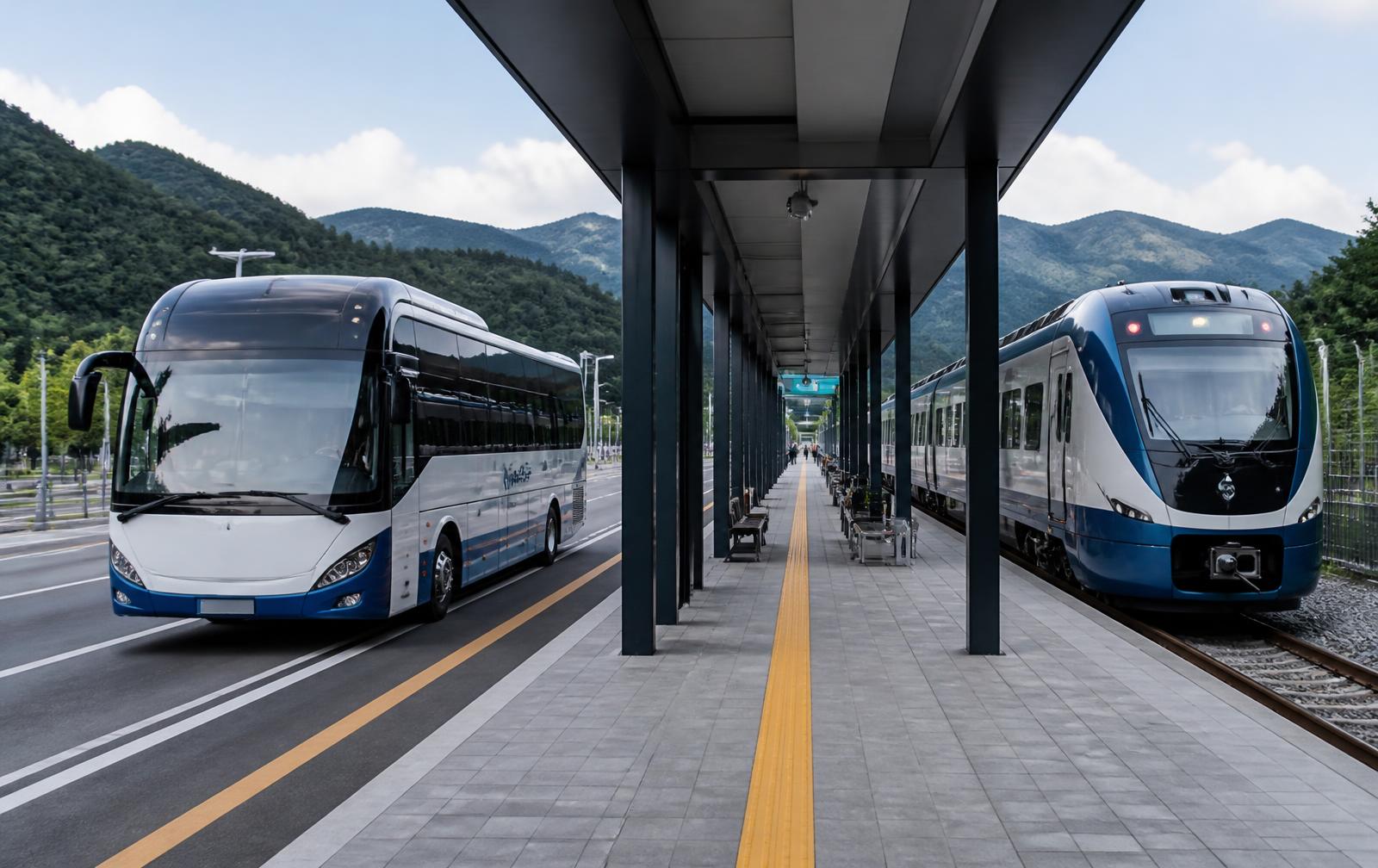
Regional Korea is well served, but the mix of transport matters. Typical off-the-path journeys combine two or three of the options below. Times, fares and schedules change, so confirm each leg on the official operator sites before travelling.
For fares, booking and practical details, see the ASK KOREA Transportation Guide and the Airport & City Transfers guide.
Regional food
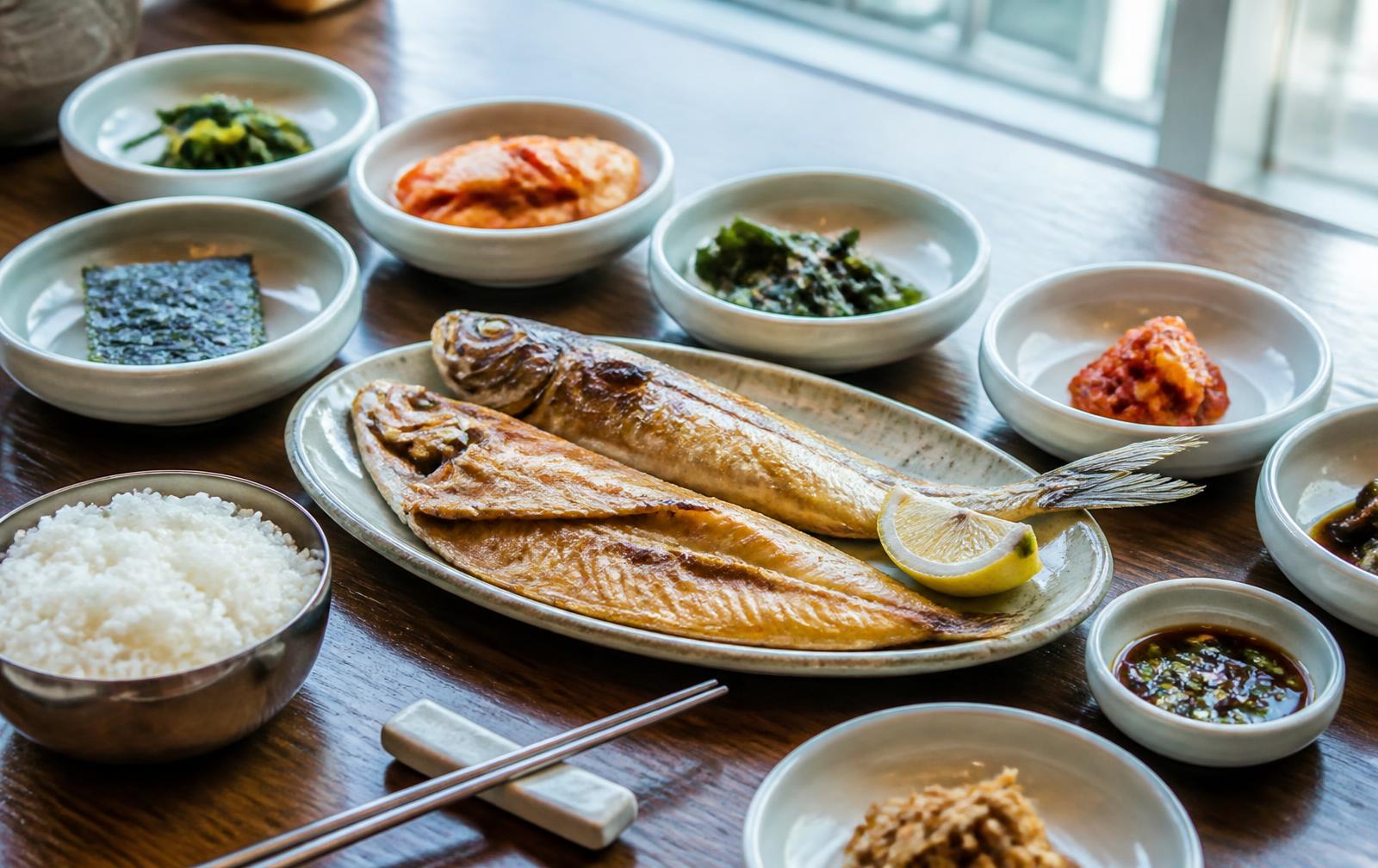
Regional cuisine is one of the strongest arguments for leaving the main route. Korean cooking varies by province and by coast: seafood availability, fermentation traditions, spice levels and even the number of side dishes differ noticeably once you are outside Seoul. Traditional markets are usually the most reliable place to eat well in a small town, and lunch is often the better meal because rural kitchens close early.
For dish-by-dish background, see the ASK KOREA Food Guide.
Nature and seasonal experiences
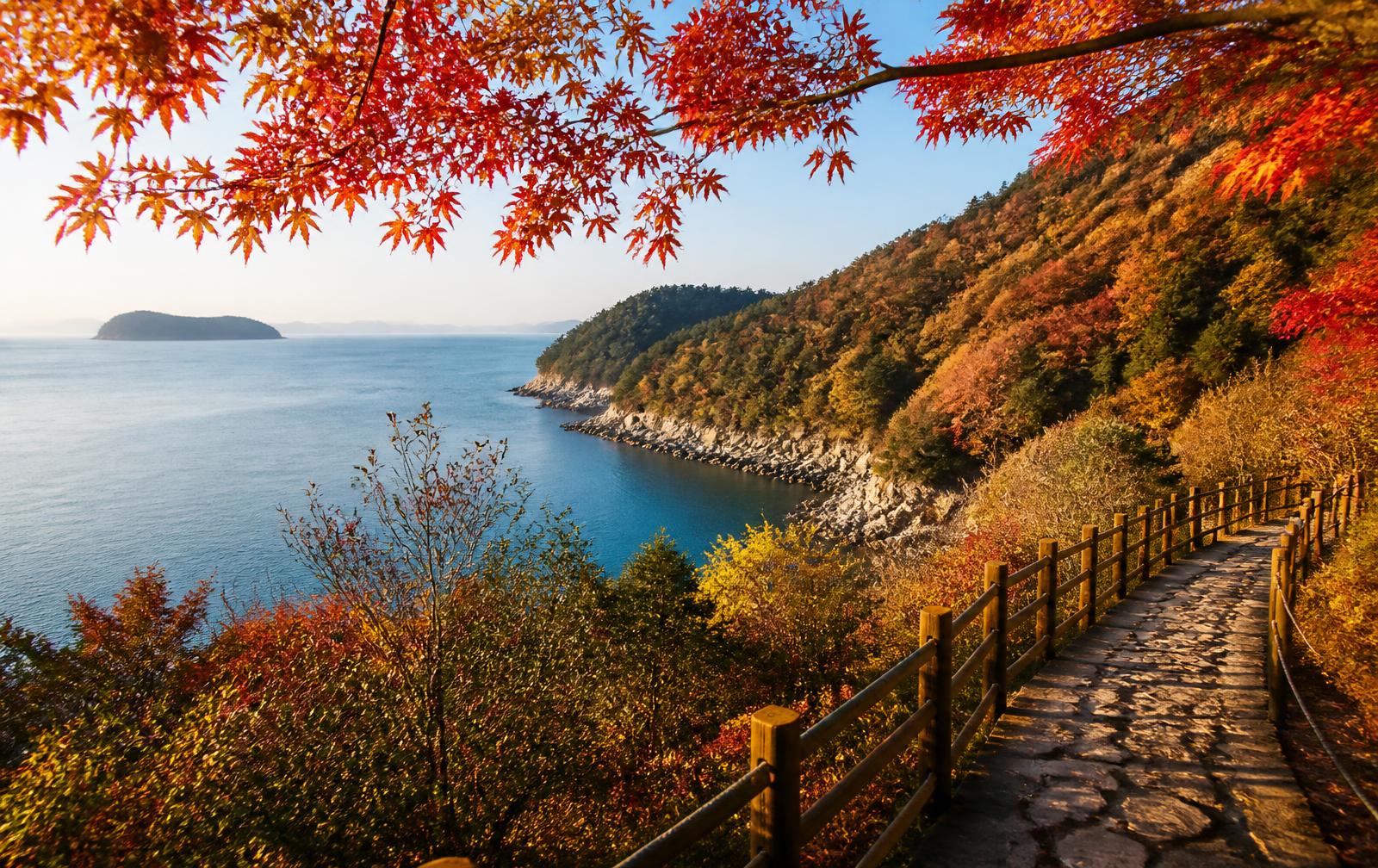
Season changes regional travel more than it changes city travel, because the attraction often is the landscape and because rural transport itself is seasonal. Plan for a season rather than a specific date, and keep an alternative in mind for bad weather.
| Season | What regional travel offers | Practical considerations |
| Spring | Blossom, fresh green fields, mild walking weather, local festivals | Timing varies yearly and by region; popular sites fill on weekends |
| Summer | Coast, islands, ferries at full schedule, deep green mountains | Heat, humidity and monsoon rain; peak domestic travel at the coast |
| Autumn | Mountain foliage, clear air, harvest landscapes — the strongest regional season | Accommodation near parks books out; colour moves south over weeks |
| Winter | Quiet towns, snow landscapes, hot springs, very low visitor numbers | Short days, cold, reduced rural services and possible mountain closures |
See the ASK KOREA Seasons & Timing guide for weather patterns and the Nature Guide for parks, mountains and coastal areas.
Before you go
Responsible local travel
Small Korean towns are ordinary working places with their own routines. The best version of this kind of travel is quiet, curious and unobtrusive.
Common mistakes
FAQ
Is it difficult to travel outside Seoul without Korean?
It is manageable but noticeably harder. Trains, express buses and larger terminals handle English reasonably; local buses, small restaurants and rural accommodation often do not. A translation app, place names saved in Korean and extra time make most journeys straightforward.
Which regional destinations are easiest for first-time visitors?
Places on fast corridors with a compact core, such as Gangneung, Gongju, Gunsan or Yeosu, involve the least planning. Islands and dispersed rural coasts are better on a second trip or with a car.
Can I explore regional Korea without renting a car?
Yes, for most destinations. Rail and express buses cover the country well and taxis fill short gaps. A car mainly helps in dispersed areas such as Namhae, Taean and rural Jeju, where local bus frequency is low.
Are buses and trains available everywhere?
Bus coverage is very broad, but frequency varies enormously — some village routes run only a few times a day, and weekend or seasonal timetables differ. Rail reaches fewer small towns than buses do.
Are smaller Korean cities safe for independent travellers?
Korea is generally a low-crime country and smaller cities are typically calm, including in the evening. Ordinary precautions still apply, and the main practical risks are transport-related: missed last services, weather and unfamiliar rural roads or trails.
How should I plan an island trip?
Choose the port first, check the sailing schedule for both directions, and treat weather as a real possibility of cancellation. For non-bridged islands, plan an overnight stay rather than a same-day return, and bring ID for boarding.
How much extra time should I allow for regional travel?
There is no single number, but plan generously: add time for terminal transfers, local bus waits and slower walking distances, and finish each day earlier than you would in Seoul so a missed connection is not a problem.
Useful resources
Pro Tips
- Decide the return journey first; the outbound leg is almost never the hard part.
- One base plus two nearby places usually beats three separate destinations.
- Screenshot the local bus timetable at the stop as soon as you arrive — rural stops rarely have live information.
- Keep a bad-weather alternative for every ferry or mountain day.
Related Guides
Korea Explorer
See regions, destinations and routes on the interactive map.
Transportation Guide
T-money, rail, buses, taxis and intercity travel.
Attraction Guide
Landmarks, museums and districts with practical visiting details.
Neighborhoods
Where to base yourself in Seoul, Busan, Gyeongju and Jeju.
Korea Nature Guide
National parks, mountains, islands, beaches and coastal landscapes.
Korea Heritage Guide
Traditional villages, temples and historic sites across the regions.
Korea Food Guide
Regional dishes, markets and everyday Korean eating.
Seasons & Timing
Weather, seasons and when to travel where.
Ask AI About This Topic
Have a question about Off-the-Path Korea?
Get instant, locally-checked answers from the ASK KOREA AI. Ask anything from specific edge cases to itinerary decisions.
ASK KOREA Transit