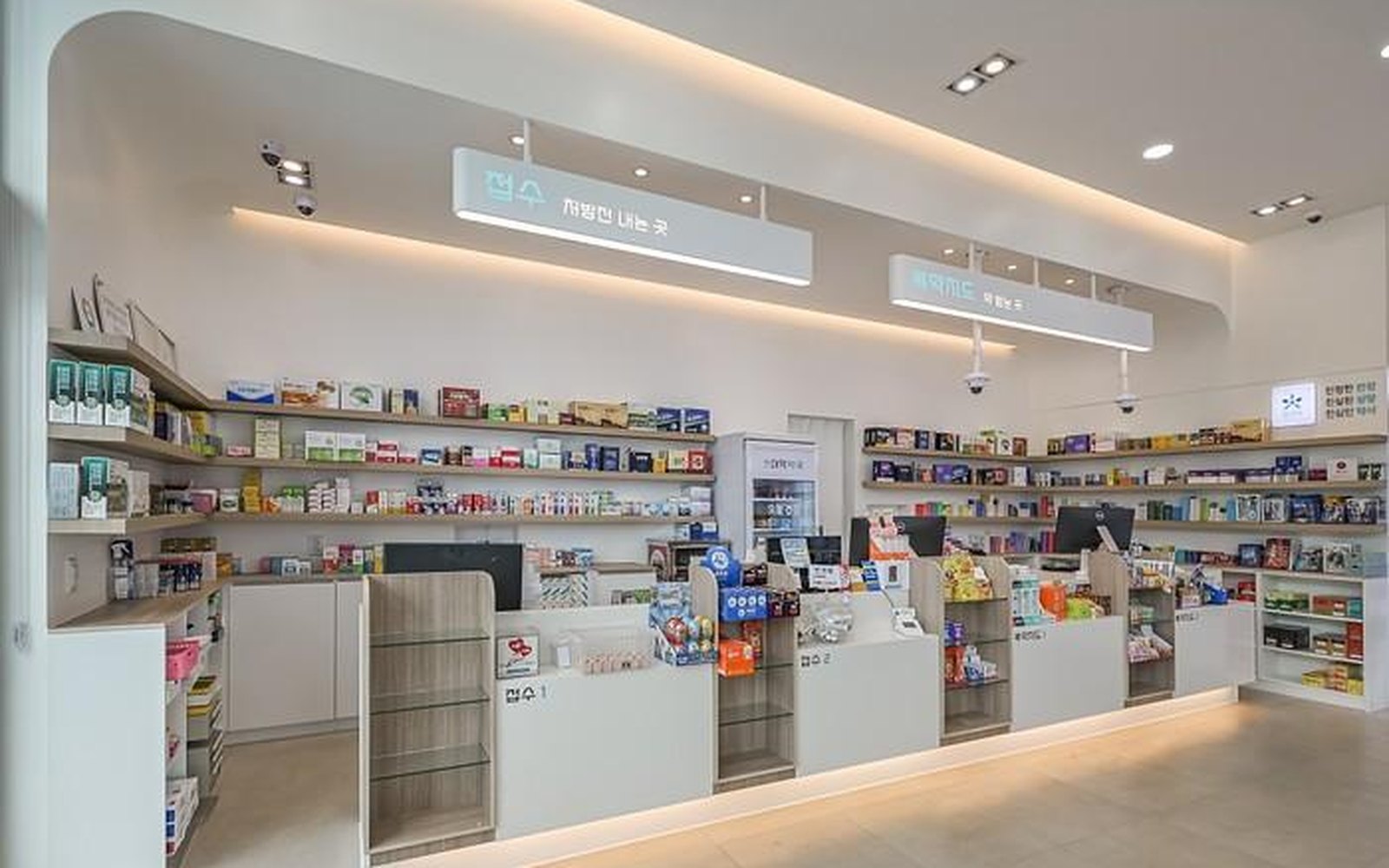
Communicating With a Pharmacist in Korea
Practical Communication Tips for International Visitors
- Before visiting
- Prepare symptoms and medication information
- Existing medicine
- Show active ingredient + strength + dosage
- Allergies
- Tell the pharmacist clearly
- Instructions
- Understand dose, timing and duration
- Translation tools
- Helpful, but use carefully for medical information
- Language difficulty
- Seek additional assistance when necessary
- Serious symptoms
- Seek appropriate medical care
Communication at a Korean pharmacy can be challenging when the patient and pharmacist do not share the same language.
Preparing a few important details in advance can make it easier for the pharmacist to understand your situation and provide appropriate medication information.
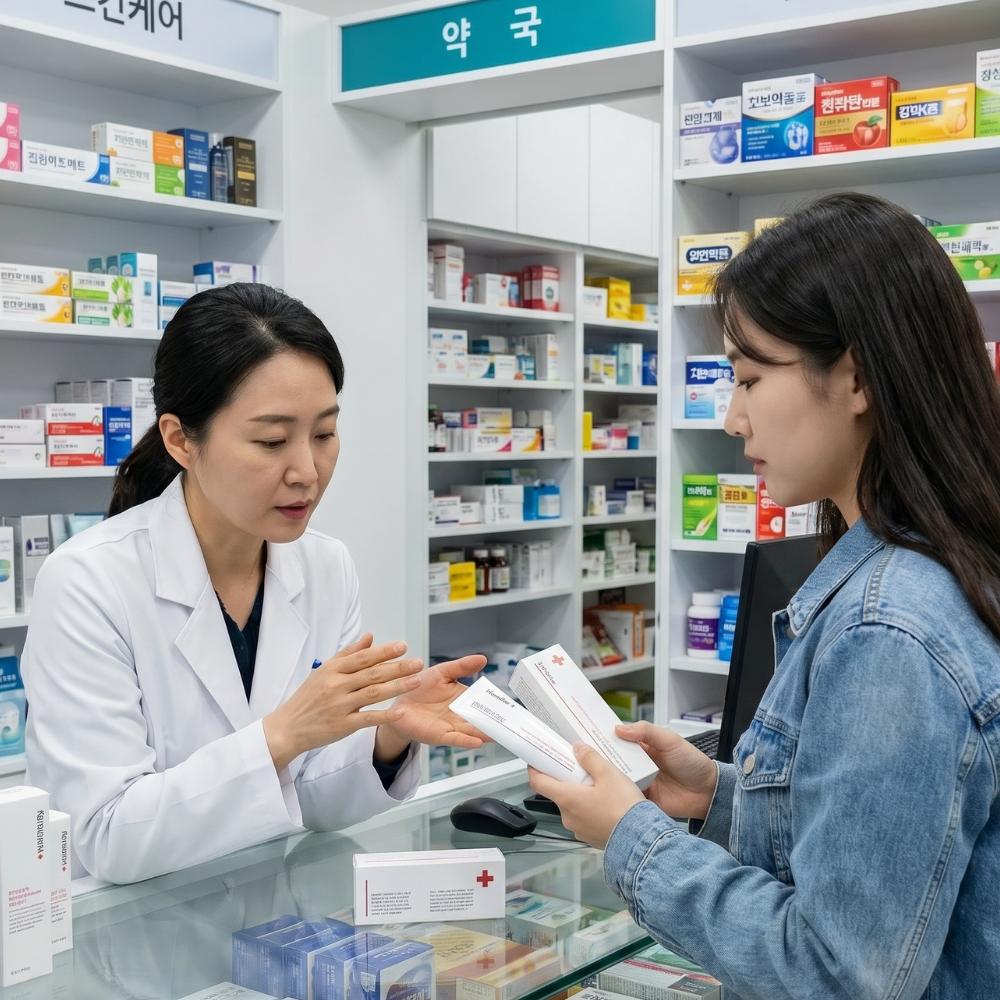
INFORMATION TO PROVIDE
When asking about medicine, be ready to explain:
- Main symptoms
- When symptoms started
- Current medications
- Medication allergies
- Important medical conditions
- Pregnancy or possible pregnancy when relevant
- Previous reactions to medicines
For medication you already use, showing the active ingredient, strength, and dosage can be particularly helpful.
USEFUL KOREAN WORDS
A few basic terms can help:
약국 (Yakguk) → Pharmacy
약 (Yak) → Medicine
처방전 (Cheobangjeon) → Prescription
알레르기 (Allereugi) → Allergy
You do not need to speak Korean fluently, but recognizing these terms may make pharmacy visits easier.
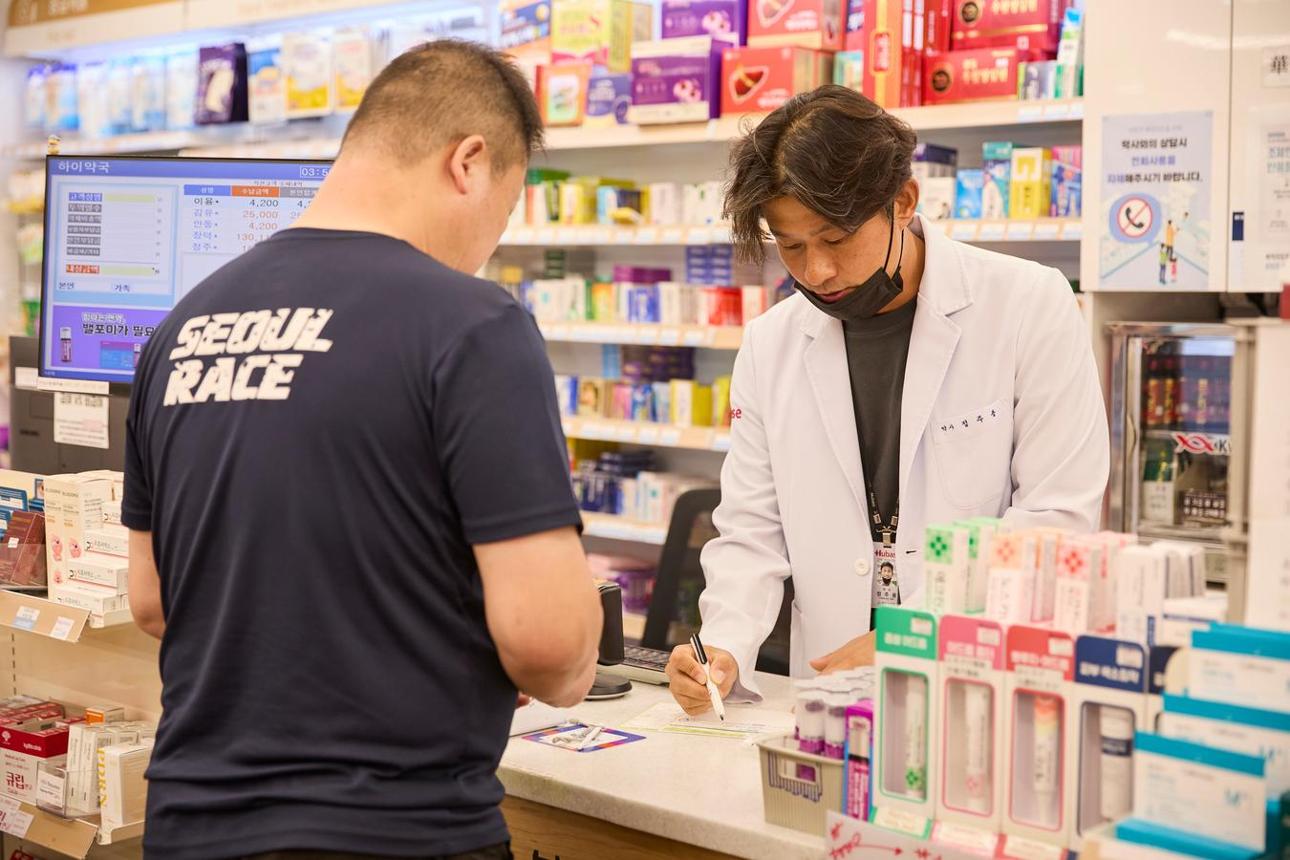
QUESTIONS TO ASK
Before leaving the pharmacy, make sure you understand:
How Much? → How Often? → Before or After Meals? → How Many Days? → Any Important Precautions?
If anything is unclear, ask the pharmacist to explain again.

USING TRANSLATION TOOLS
A translation app can be useful for simple pharmacy communication.
For important medication information, it is better to show:
- Exact medicine name
- Active ingredient
- Written medical information
- Prescription
- Original medication packaging when available
Do not rely solely on automatic translation when medication instructions are unclear.
MEDICATION ALLERGIES
If you have a known medication allergy, tell the pharmacist before receiving medicine.
Keeping allergy information written clearly on your phone can be useful while traveling.
CURRENT MEDICATIONS
If you already take prescription or OTC medicines, tell the pharmacist.
This is especially important because different products can contain the same or interacting active ingredients.
WHEN COMMUNICATION IS DIFFICULT
If an important medication issue cannot be communicated clearly, consider seeking assistance from:
- An English-speaking pharmacy when available
- Your medical institution
- An international patient center
- Appropriate interpretation assistance
For urgent medical symptoms, seek medical care rather than relying only on pharmacy advice.
Official resources
Ministry of Food and Drug Safety (MFDS)
www.mfds.go.krDrug Information — MFDS
nedrug.mfds.go.krEmergency Medical Information — E-GEN
www.e-gen.or.krMinistry of Health and Welfare
www.mohw.go.krASK KOREA Transit