Obstetrics & Gynecology in Korea
Women's Health, Pregnancy & Specialized Care
- Women's health
- Gynecology clinic or department
- Pregnancy
- Arrange regular prenatal care
- Giving birth in Korea
- Contact the hospital well in advance
- High-risk pregnancy
- Appropriate specialized center may be necessary
- Previous care overseas
- Bring relevant medical records
- Language support
- Confirm before your appointment
Korea has women's clinics, maternity hospitals, and major university hospital departments providing care across obstetrics and gynecology (OB-GYN).
International patients can receive care ranging from routine women's health examinations to pregnancy care, childbirth, and treatment for complex gynecologic conditions.

GYNECOLOGY
Gynecology services may include evaluation and treatment for:
- Menstrual disorders
- Uterine fibroids
- Endometriosis
- Ovarian conditions
- Cervical conditions
- Menopause
- Pelvic disorders
- Gynecologic infections
- Gynecologic cancers
- Other women's health conditions
PREGNANCY & PRENATAL CARE
Obstetric services may include:
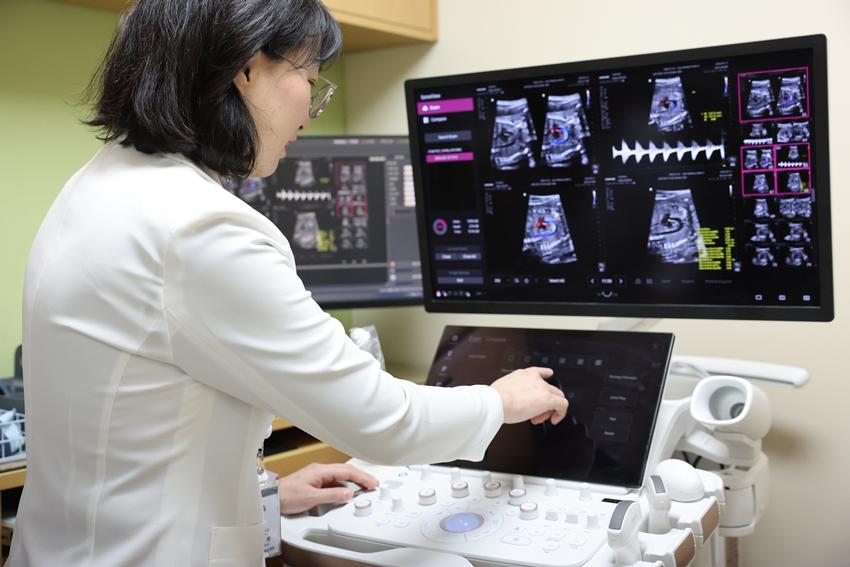
Pregnancy Confirmation → Prenatal Examinations → Ultrasound → Maternal Care → Delivery → Postpartum Care
The exact schedule of examinations depends on the pregnancy and medical circumstances.
CHILDBIRTH IN KOREA
Delivery services vary by institution.
Depending on the hospital, options and facilities may include:
- Vaginal delivery
- Cesarean delivery
- High-risk pregnancy care
- Maternal-fetal medicine
- Neonatal care
- Postpartum services
International patients planning to give birth in Korea should contact the hospital well before the expected delivery date.

HIGH-RISK PREGNANCY
Patients with complicated pregnancies may require care at a medical center with appropriate specialists and neonatal facilities.
Examples may include pregnancies involving maternal medical conditions, fetal complications, multiple pregnancy, or other higher-risk circumstances.
The appropriate level of care should be determined by medical professionals.
FERTILITY & REPRODUCTIVE MEDICINE
Some Korean medical institutions provide specialized reproductive medicine and fertility services.
Treatment availability, eligibility, procedures, costs, and legal requirements can vary.
Patients considering fertility treatment should obtain current information directly from an appropriately licensed medical institution.
INTERNATIONAL PATIENTS
Before arranging treatment or childbirth in Korea, confirm:
- OB-GYN specialist availability
- International patient services
- Language assistance
- Required medical records
- Prenatal record transfer
- Estimated treatment schedule
- Insurance and payment arrangements
- Delivery and hospitalization procedures
BRING PREVIOUS RECORDS
For continuing pregnancy or gynecologic treatment started overseas, relevant records may include:
- Previous examination results
- Ultrasound records
- Laboratory results
- Current medications
- Previous pregnancy history
- Surgery or treatment history
Ask the receiving hospital which records are required.
Official resources
Medical Korea
www.medicalkorea.or.krMinistry of Health and Welfare
www.mohw.go.krASK KOREA Transit