Nephrology & Kidney Care in Korea
Specialized Care for Kidney Disease & Renal Conditions
- Kidney disease
- Nephrology
- Chronic condition
- Regular monitoring may be required
- Dialysis patient traveling to Korea
- Arrange dialysis before arrival
- Bring
- Recent records + medication information
- Kidney transplant
- Specialized evaluation and legal requirements apply
- International patient
- Confirm treatment availability directly with the medical institution
Korea has nephrology departments and specialized kidney centers providing diagnosis and treatment for conditions affecting the kidneys and renal system.
Patients with chronic kidney disease may require long-term monitoring, medication, dialysis, or specialized treatment depending on their condition.
MAJOR AREAS OF KIDNEY CARE
Nephrologists may provide care for:
- Chronic Kidney Disease
- Acute Kidney Injury
- Glomerular Diseases
- Nephrotic Syndrome
- Electrolyte Disorders
- Kidney-related Hypertension
- Diabetic Kidney Disease
- Other renal conditions
KIDNEY FUNCTION TESTING
Evaluation may include:
- Blood tests
- Urine tests
- Kidney function tests
- Ultrasound
- CT or other imaging
- Kidney biopsy when medically necessary
The appropriate examinations depend on the patient's condition.

DIALYSIS
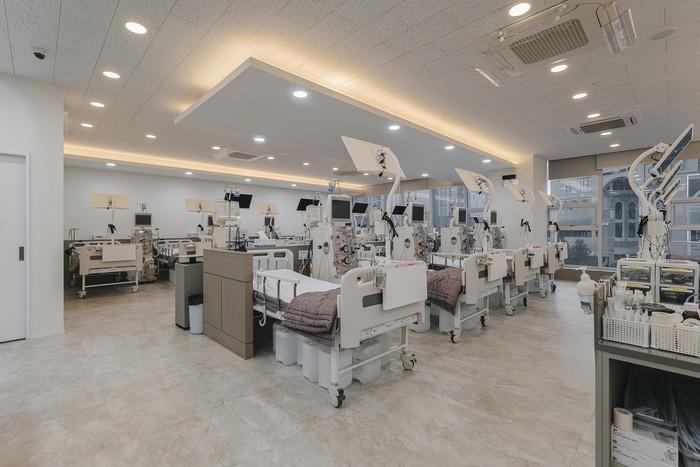
Patients with advanced kidney failure may require dialysis.
Common forms include:
Hemodialysis
Peritoneal Dialysis
The appropriate treatment is determined by the patient's medical team.
TRAVELING TO KOREA WHILE ON DIALYSIS
Patients who already receive regular dialysis should arrange treatment before traveling.
Do not arrive in Korea assuming a dialysis center can accommodate you immediately.
Confirm in advance:
- Dialysis center availability
- Treatment dates and times
- Medical records required
- Dialysis prescription
- Recent laboratory results
- Infection screening requirements
- Medication information
- Insurance and payment arrangements
KIDNEY TRANSPLANTATION
Major medical centers in Korea may provide kidney transplantation services for appropriate patients.
Transplantation involves extensive medical evaluation and is subject to Korean laws, allocation systems, donor requirements, and institutional procedures.
International patients should contact an authorized transplant center directly for current eligibility and requirements.
PREPARE YOUR RECORDS
For specialized kidney care, useful information may include:
- Diagnosis
- Recent kidney function results
- Dialysis records, if applicable
- Current medications
- Imaging
- Previous treatment history
- Other relevant medical records
Official resources
Medical Korea
www.medicalkorea.or.krMinistry of Health and Welfare
www.mohw.go.krKorean Network for Organ Sharing (KONOS)
www.konos.go.krASK KOREA Transit