Dermatology in Korea
Medical Care for Skin, Hair & Nail Conditions
- Skin condition
- Seek appropriate dermatologic evaluation
- Medical dermatology
- Different from purely aesthetic treatment
- Laser/procedure
- Understand risks and recovery first
- Hair loss
- Diagnosis should guide treatment
- Complex condition
- Major hospital dermatology may be appropriate
- Medical travel
- Check number of sessions and follow-up requirements
Korea has dermatology clinics, specialized skin centers, and university hospital departments providing care for a wide range of medical skin conditions and dermatologic concerns.
International patients should distinguish between medical dermatology and primarily cosmetic or aesthetic services when choosing a provider.

MEDICAL DERMATOLOGY
Dermatologists may diagnose and treat conditions such as:
- Acne
- Eczema & Atopic Dermatitis
- Psoriasis
- Rosacea
- Skin Infections
- Allergic Skin Conditions
- Pigmentation Disorders
- Hair & Scalp Disorders
- Nail Disorders
- Skin Tumors and other lesions
For persistent, severe, or unusual symptoms, appropriate medical evaluation is important.
DERMATOLOGIC EXAMINATION
Depending on the condition, evaluation may involve:
- Visual skin examination
- Dermoscopy
- Laboratory testing
- Allergy-related testing
- Skin biopsy
- Imaging or other specialized examinations
Not every condition requires advanced testing.
LASER & PROCEDURAL DERMATOLOGY
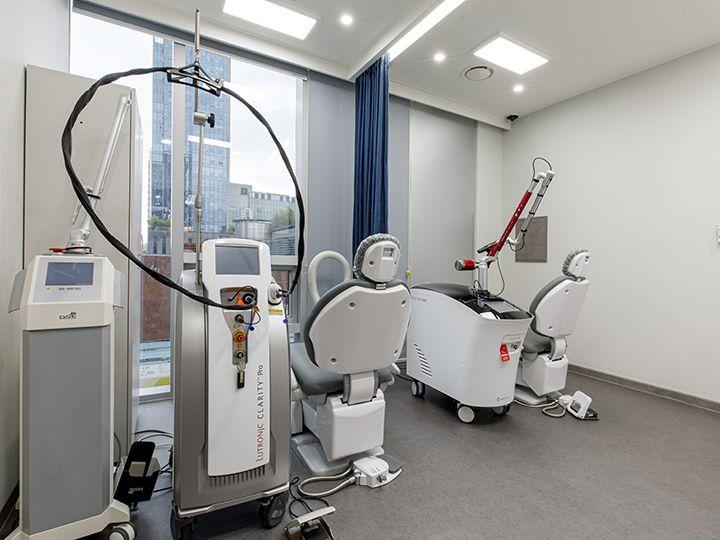
Some dermatology clinics provide procedures involving lasers, light-based devices, injections, or other technologies.
Before undergoing a procedure, understand:
Purpose → Expected Benefits → Possible Risks → Recovery → Follow-Up
Do not select treatment solely because a particular technology is heavily advertised.
HAIR & SCALP CONDITIONS
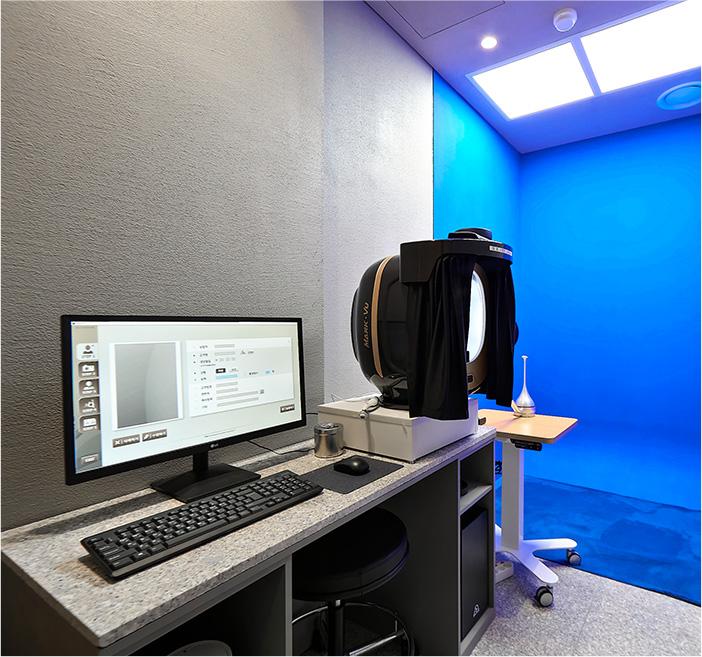
Dermatologists may also evaluate medical causes of hair loss and scalp disorders.
Treatment depends on the underlying diagnosis, so an appropriate medical assessment should come before choosing a treatment.
UNIVERSITY HOSPITAL DERMATOLOGY
A major hospital or university dermatology department may be appropriate for:
- Severe inflammatory skin disease
- Complex autoimmune skin conditions
- Difficult-to-diagnose disorders
- Serious drug reactions
- Skin tumors
- Conditions requiring multidisciplinary care
INTERNATIONAL PATIENTS
Before traveling specifically for dermatological treatment, confirm:
- Medical or cosmetic purpose
- Specialist availability
- Number of sessions required
- Recovery period
- Possible side effects
- Follow-up requirements
- Language assistance
- Estimated costs
Some treatments require multiple sessions and may not be suitable for a short visit to Korea.
Official resources
Medical Korea
www.medicalkorea.or.krMinistry of Health and Welfare
www.mohw.go.krASK KOREA Transit