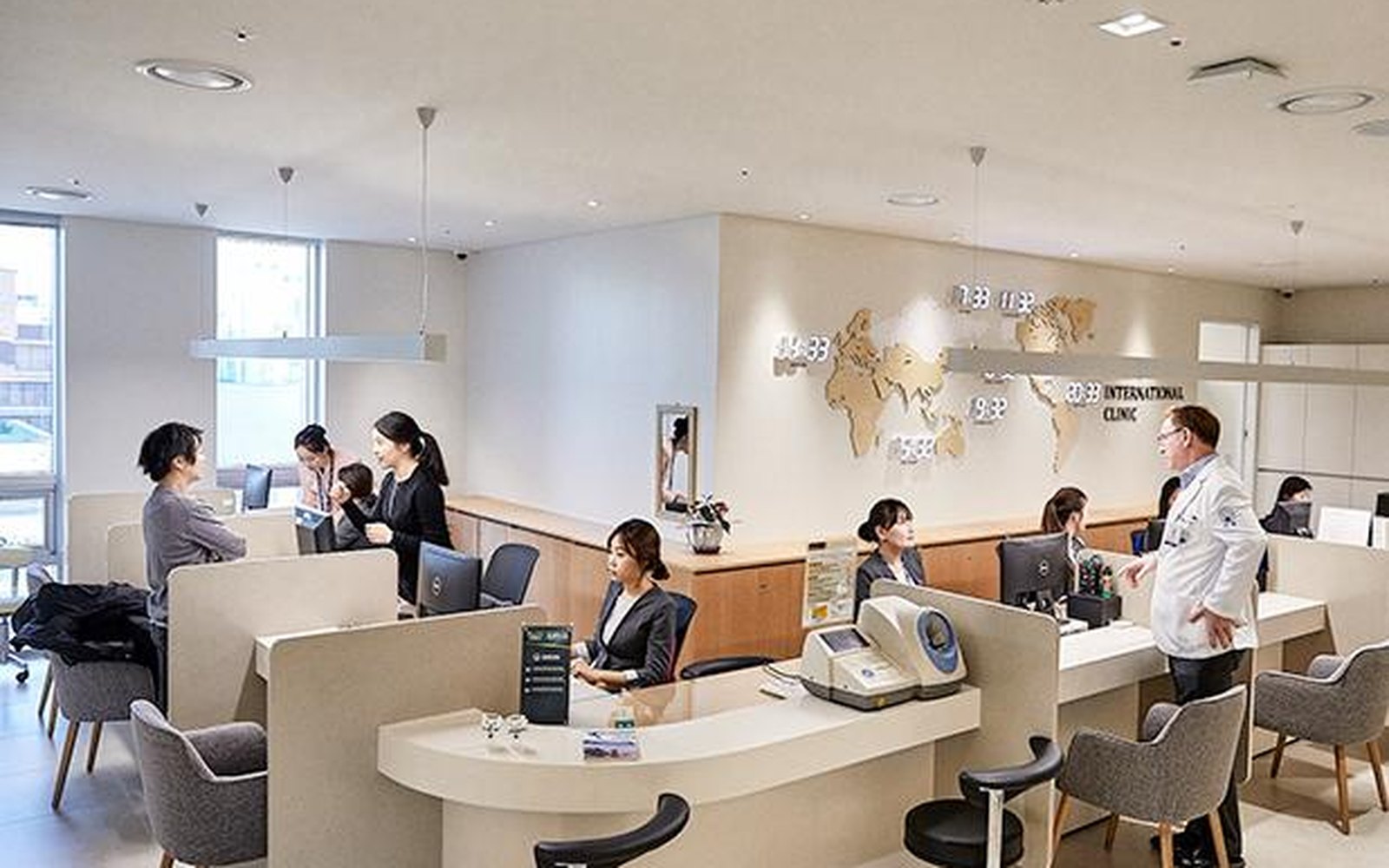
Medical Costs & Payment Basics
Understanding Hospital Bills Before You Receive Treatment
- Medical costs
- Vary by treatment, hospital and insurance status
- NHI member
- Confirm your current coverage
- Travel insurance
- Check policy terms before treatment
- Overseas insurance
- Direct billing is not guaranteed
- Major planned treatment
- Request an estimated cost
- Insurance claim
- Keep receipts and required medical documents
Medical costs in Korea vary depending on the type of medical institution, treatment, tests, insurance status, and whether particular services are covered by insurance.
International visitors and residents should understand the basic payment process before receiving non-emergency treatment.
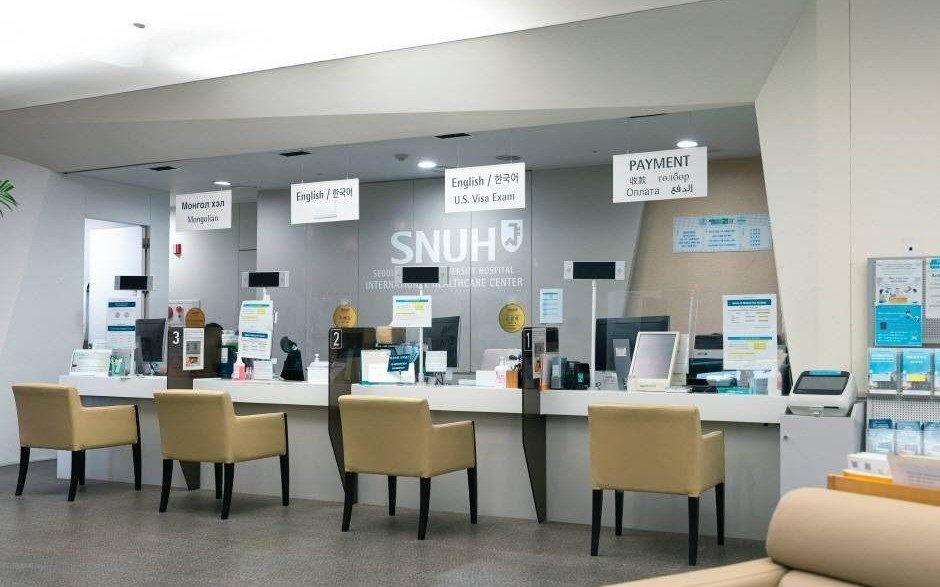
WHAT AFFECTS MEDICAL COSTS?
Your final medical bill may depend on:
- Clinic or hospital type
- Medical specialty
- Consultation
- Laboratory tests
- X-rays, CT, MRI or other imaging
- Procedures or surgery
- Hospitalization
- Medication
- Insurance status
- Services not covered by insurance
A major hospital may have a different cost structure from a neighborhood clinic.
NATIONAL HEALTH INSURANCE
Some foreign residents in Korea are covered by Korea's National Health Insurance (NHI).
Coverage and individual eligibility depend on the person's status and applicable rules.
If you are enrolled, bring the identification or information necessary for the medical institution to verify your insurance status.
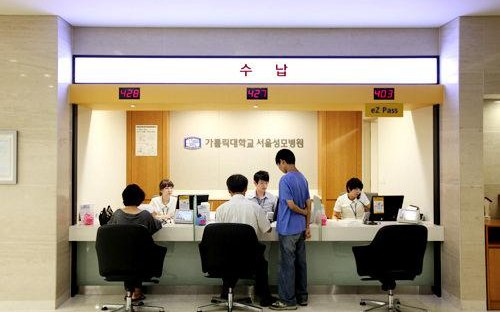
VISITORS & TRAVEL INSURANCE
Short-term visitors may rely on:
- Travel insurance
- Private international insurance
- Overseas health insurance
- Self-payment
Coverage differs substantially between policies.
Before planned treatment, check directly with your insurer regarding coverage and reimbursement requirements.
DIRECT BILLING IS NOT GUARANTEED
Do not assume a Korean hospital will bill your overseas insurer directly.
Depending on the hospital and insurance company, you may need to:
Pay the hospital first
→ Collect required documents
→ Submit a reimbursement claim to your insurer
Check this before treatment whenever possible.
ASK ABOUT COSTS IN ADVANCE
For planned examinations, procedures, health checkups, surgery, or other significant treatment, ask the medical institution about estimated charges beforehand.
An estimate may not equal the final bill because additional tests or treatment can become necessary.
KEEP YOUR DOCUMENTS
If you need to make an insurance claim later, ask what documentation is available.
Depending on the institution and situation, this may include:
- Receipt
- Itemized statement
- Medical certificate
- Diagnosis-related documentation
- Prescription information
- Other medical records
Document names, availability and fees vary by institution.
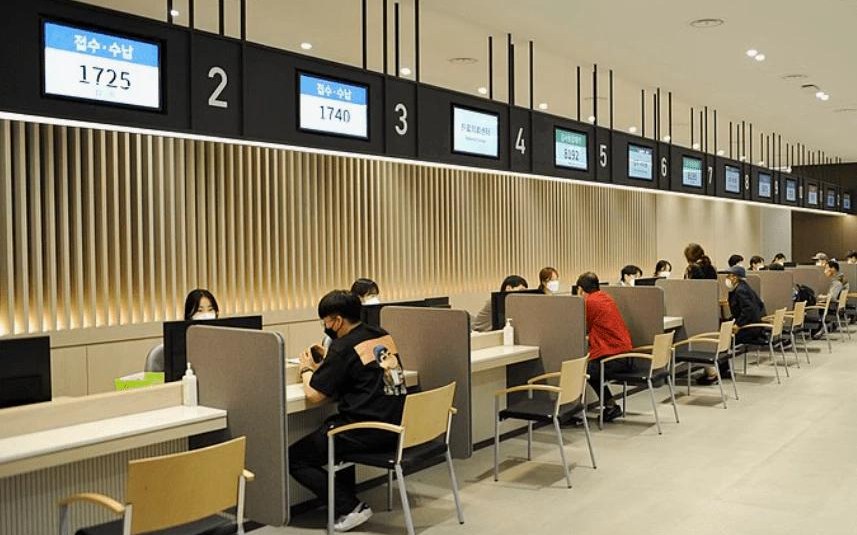
PAYMENT METHODS
Payment methods vary by medical institution.
Major hospitals commonly operate dedicated payment or billing counters and may also provide electronic payment systems.
Confirm accepted payment methods directly with the institution when necessary.
Official resources
National Health Insurance Service
www.nhis.or.krMinistry of Health and Welfare
www.mohw.go.krMedical Korea
www.medicalkorea.or.krASK KOREA Transit