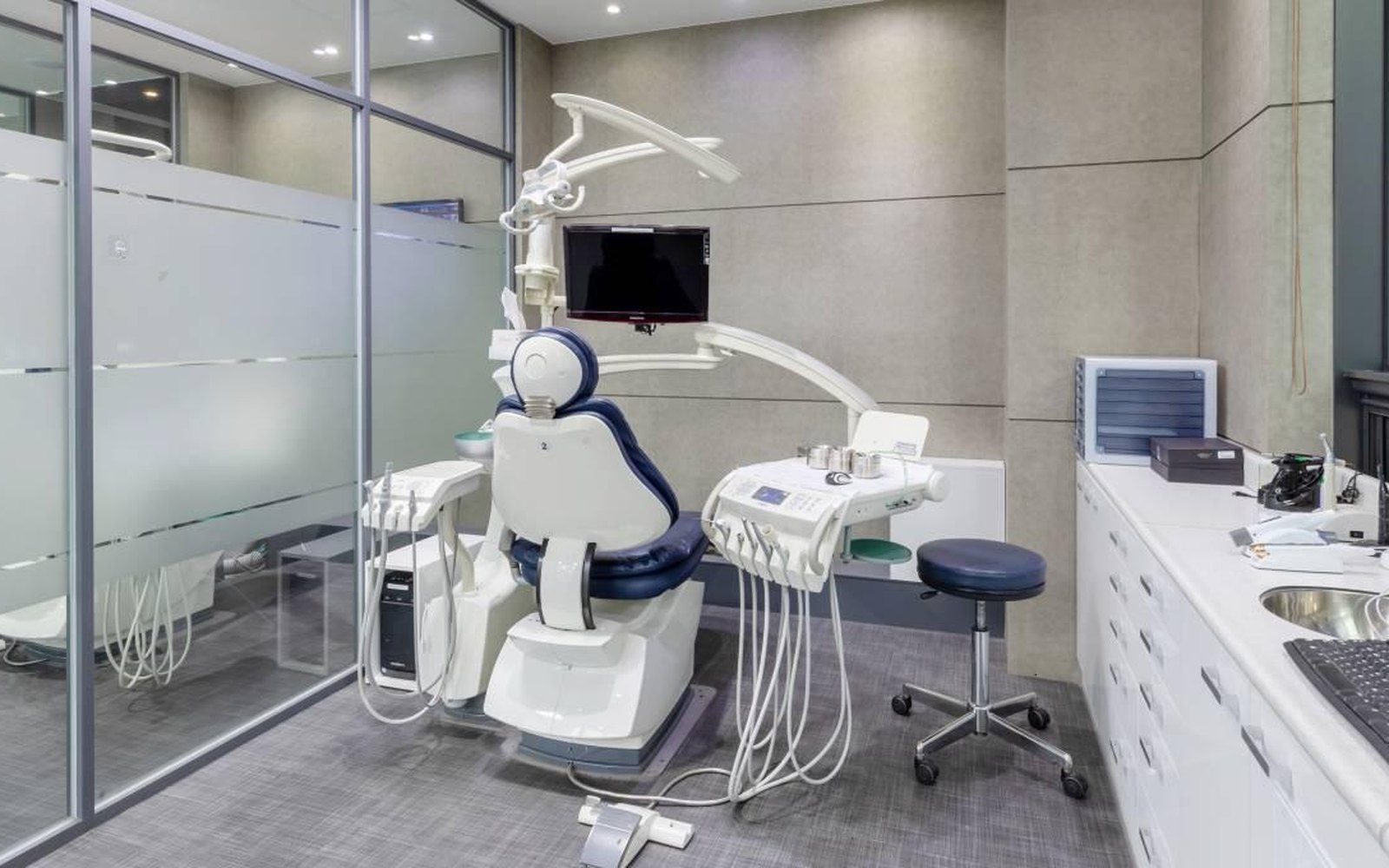
Dental Implants in Korea
A Practical Guide for International Patients
- Dental implant
- Usually involves several treatment stages
- Before treatment
- Examination and imaging may be required
- Bone grafting
- Needed only in appropriate cases after evaluation
- International visitor
- Confirm number of visits and treatment period
- Cost
- Ask what is included and what may cost extra
- After treatment
- Follow-up and long-term oral care are important
- Returning home
- Obtain relevant treatment records if needed
Dental implants are widely available in Korea through dental clinics, specialized implant centers, and university dental hospitals.
For international patients, implant treatment requires more planning than a routine dental visit because treatment may involve multiple stages, healing periods, and follow-up appointments.
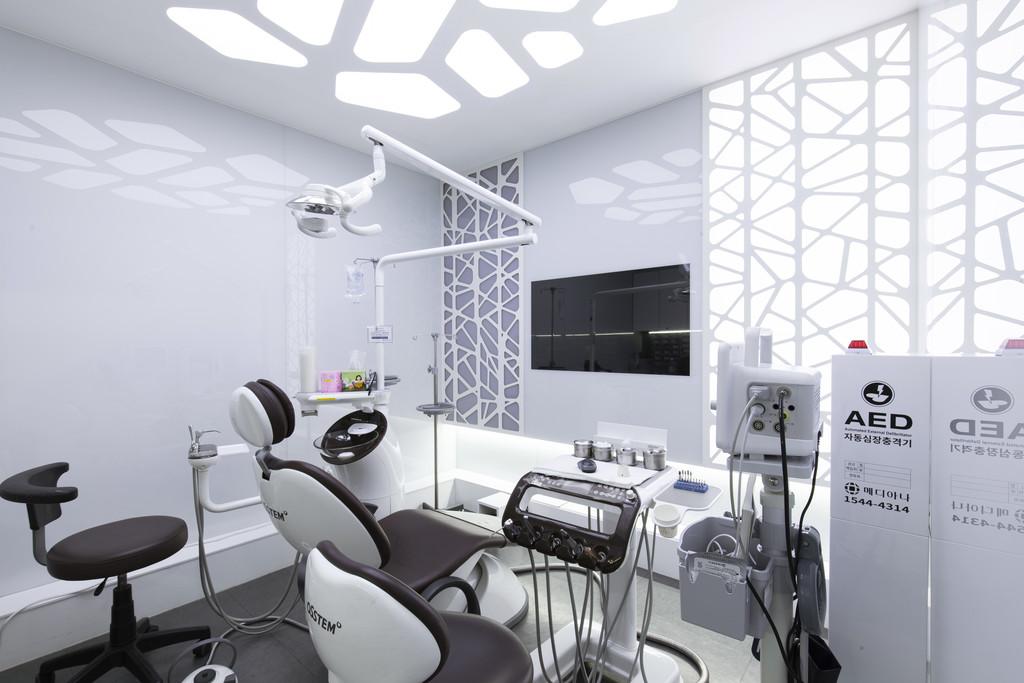
WHAT IS A DENTAL IMPLANT?
A dental implant is used to replace a missing tooth or support a dental prosthesis.
Treatment commonly involves:
Examination → Imaging → Treatment Planning → Implant Placement → Healing → Final Prosthesis
The exact process varies according to the patient's oral condition and treatment plan.
BEFORE IMPLANT TREATMENT
The dentist may evaluate:
- Teeth and gums
- Jawbone condition
- Existing dental work
- Medical history
- Current medications
- Previous dental treatment
Imaging such as panoramic X-rays or Cone Beam CT (CBCT) may be used when clinically appropriate.
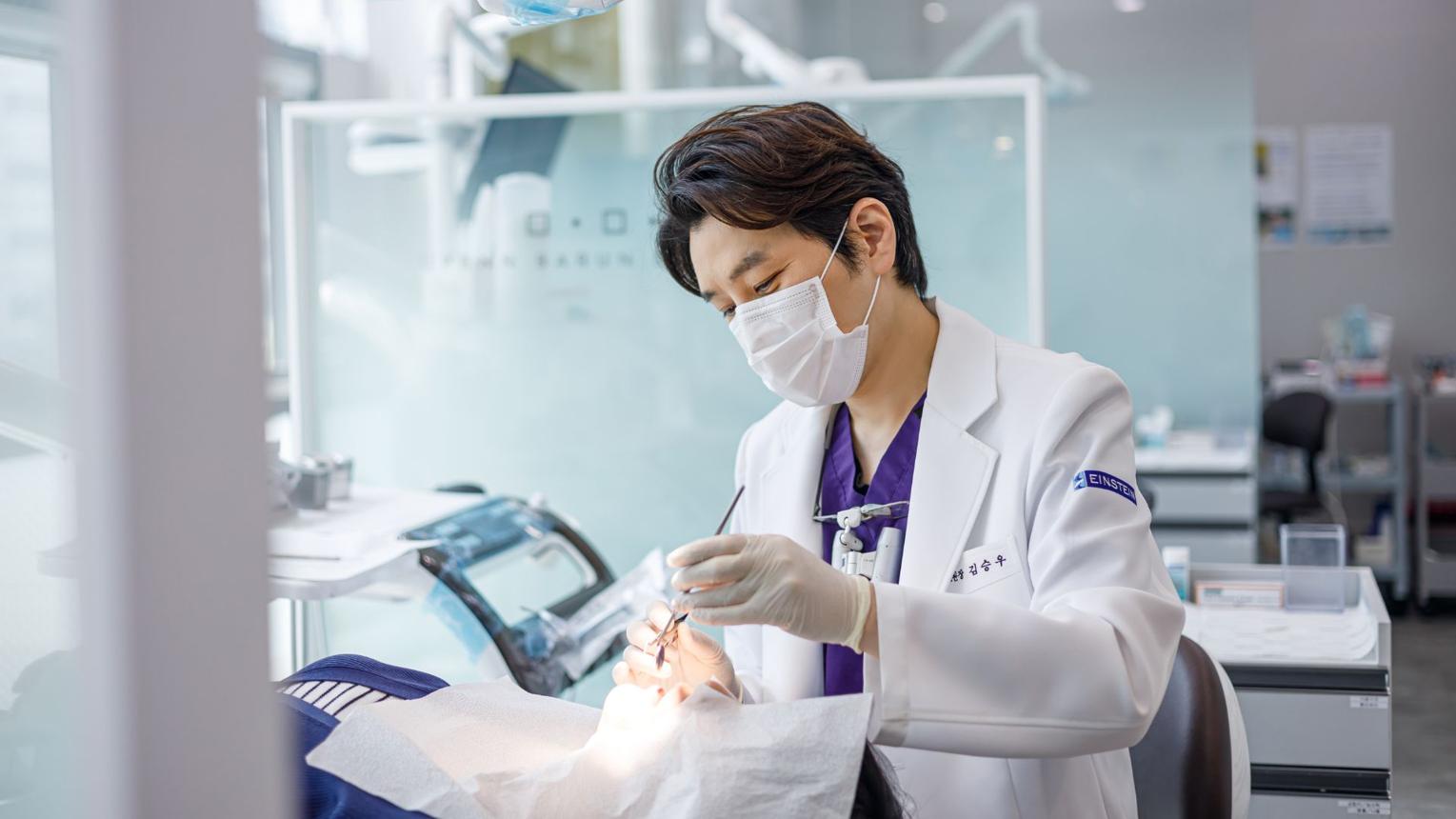
BONE GRAFTING
Some patients may require additional procedures when there is insufficient bone for implant placement.
Whether bone grafting or another procedure is appropriate can only be determined after professional examination.
If additional treatment is required, the overall treatment period may become longer.
HOW MANY VISITS?
This is particularly important for travelers.
Some implant treatments may require several appointments separated by a healing period.
Before starting, ask:
How Many Visits? → How Long Between Visits? → When Is the Final Prosthesis Placed? → What Follow-Up Is Required?
Do not assume that the entire implant process can always be completed during a short trip.
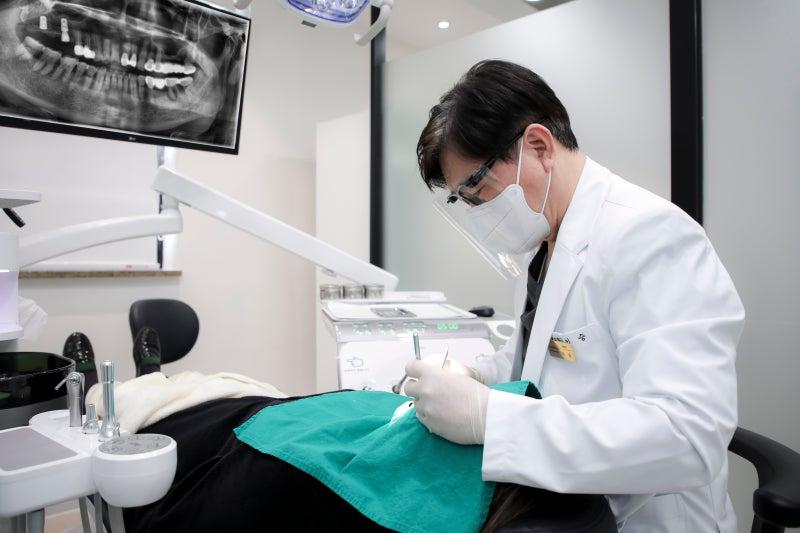
COSTS
Implant costs can vary according to the clinic and individual treatment requirements.
Additional procedures, imaging, bone-related treatment, prosthetic components, and other services can affect the final cost.
Ask for a clear treatment plan and estimated total cost before proceeding.
AFTER IMPLANT TREATMENT
Follow the dentist's instructions regarding:
- Oral hygiene
- Eating
- Medication
- Activity
- Follow-up appointments
- Warning signs requiring evaluation
Long-term dental care remains important after implant treatment.
INTERNATIONAL PATIENTS
Before traveling to Korea specifically for implant treatment, confirm:
English-Speaking Care → Treatment Plan → Number of Visits → Total Estimated Cost → Recovery → Follow-Up After Returning Home
If another dentist will provide follow-up in your home country, consider obtaining relevant treatment records before leaving Korea.
Official resources
Korean Dental Association
www.kda.or.krMedical Korea
www.medicalkorea.or.krHealth Insurance Review & Assessment Service (HIRA)
www.hira.or.krMinistry of Health and Welfare
www.mohw.go.krASK KOREA Transit